A possible game changer in wind technology with an unlikely inspiration
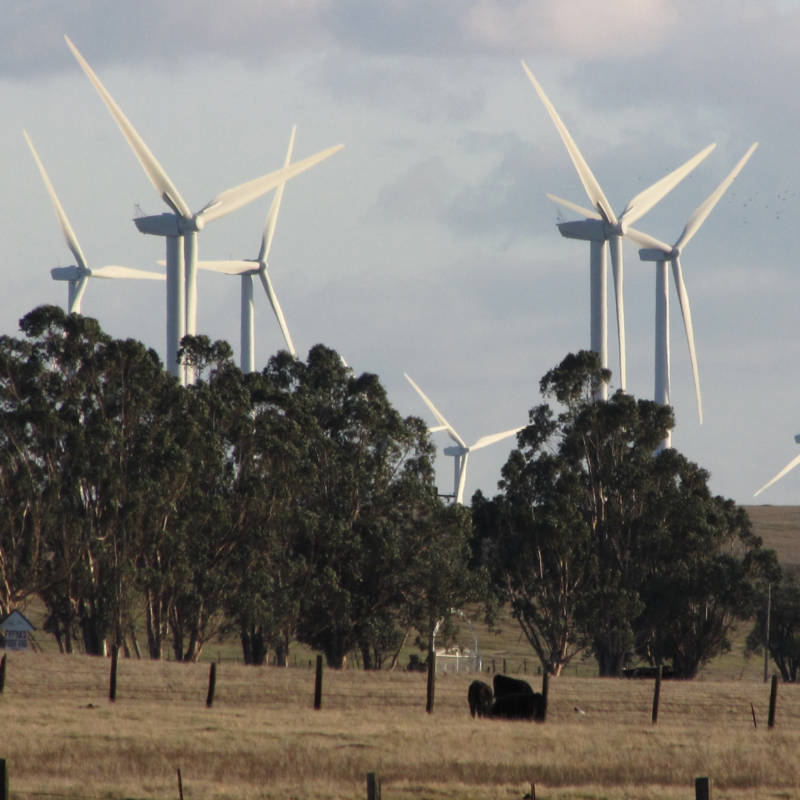
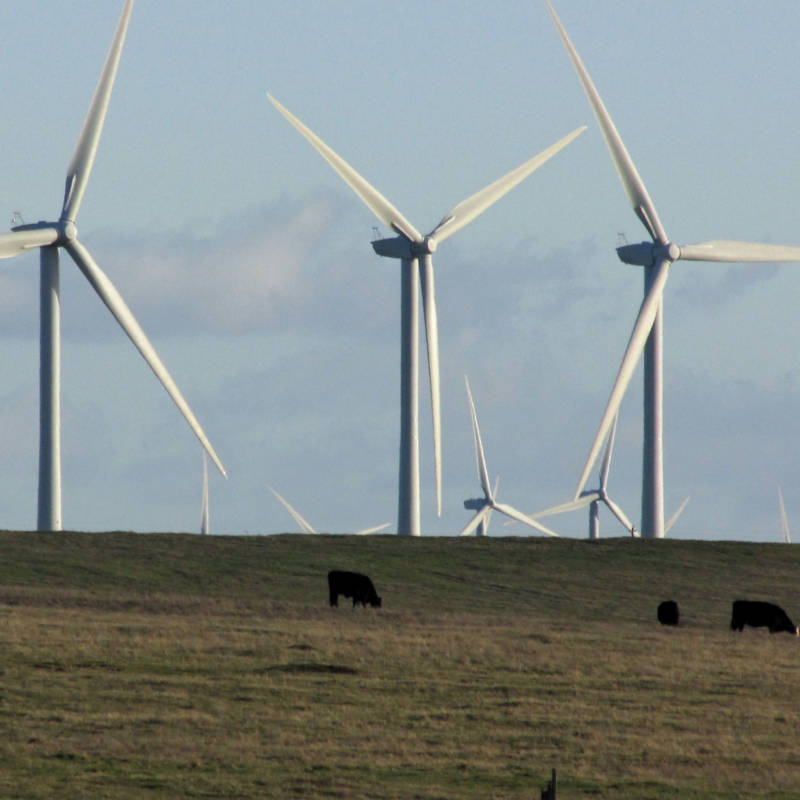
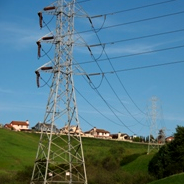
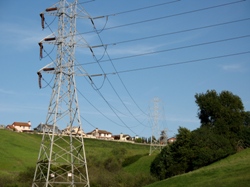
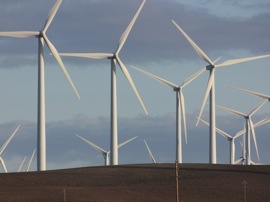
Most of the wind turbines you see driving throughout the deserts and hill country of California look pretty much the same: soaring towers hundreds of feet high with massive, pinwheel-like structures on top, blades churning (or not) as the wind blows (or not).
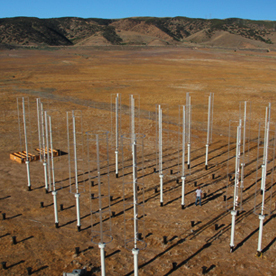
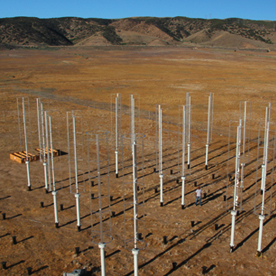
But there’s another design for generating wind power that, if new research proves correct, could eventually become a far more common sight as California ramps up its portfolio of renewable energy. Vertical axis wind turbines look a little like upside-down egg beaters. They tend to be smaller than traditional turbines, and therefore less powerful. But according to John Dabiri, head of Caltech’s Biological Propulsion Lab, they can be far more efficient at generating power than traditional turbines are when they’re used together in just the right way.
Dabiri said the problem with standard turbines is that the turbulence or “wake” from the turning of one turbine disrupts airflow and reduces the performance of surrounding turbines. Locating them within 300 feet of each other can reduce performance by 20-50%, said Dabiri. That means standard wind farms need a lot of land. Continue reading Making Wind Power More Efficient: Lessons from Fish