Water Risks a Looming Iceberg for Global, California Business

Big California companies and investors see “significant near-term risk” at the spigot

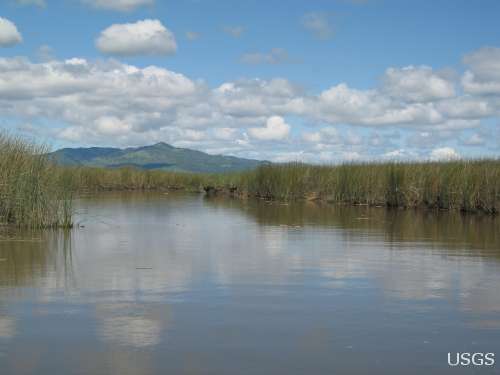
Lake Almanor in the northern Sierra, November, 2009

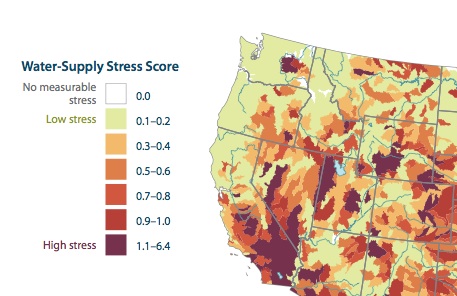
Companies around the world are beginning to recognize “a significant near-term risk” to their water supplies, according to the second annual Water Disclosure Global Report released today by the non-profit Carbon Disclosure Project (CDP) in London. But despite the obvious connection, water appears to lag climate as a priority in corporate boardrooms. The CDP report found that a whopping 94% of Global 500 companies that responded have board-level oversight of climate change. Water risks, not so much: just 57% of the respondents to the water disclosure report have board level oversight on those issues. Continue reading Water Risks a Looming Iceberg for Global, California Business
Where Water & Energy Converge: New Concern

US power plants are “stressing” freshwater supplies, finds science watchdog group

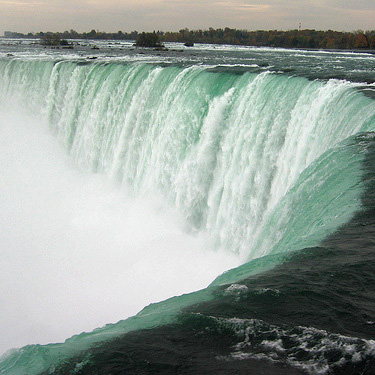
A UCS study says US power plants are sucking up three times the volume of water that goes over Niagara Falls on a daily basis.

For the second time in as many weeks, a major report has emerged warning of consequences from the demand that America’s electricity producers are placing on water supplies.

Today’s findings, from the Union of Concerned Scientists, conclude that water and power are on a collision course in the US, as nearly all major power plants slurp up water for cooling. As of 2008, the UCS study found that across the US, “thermocooled” power plants (which is most of them) took up somewhere between 60 billion and 170 billion gallons of water from rivers, lakes and aquifers. That’s three times the volume of water that pours over Niagara Falls. At least 2.8 billion and as much as 5.9 billion gallons of that was “consumed,” or not put back.

Power Plants are putting strain on watersheds throughout the nation, according to UCS researchers.

“It’s really water that keeps the lights on,” says Kristen Averyt, deputy director of the Western Water Assessment at the University of Colorado, and lead researcher for the report. Continue reading Where Water & Energy Converge: New Concern

International Agency Issues Dire Warning

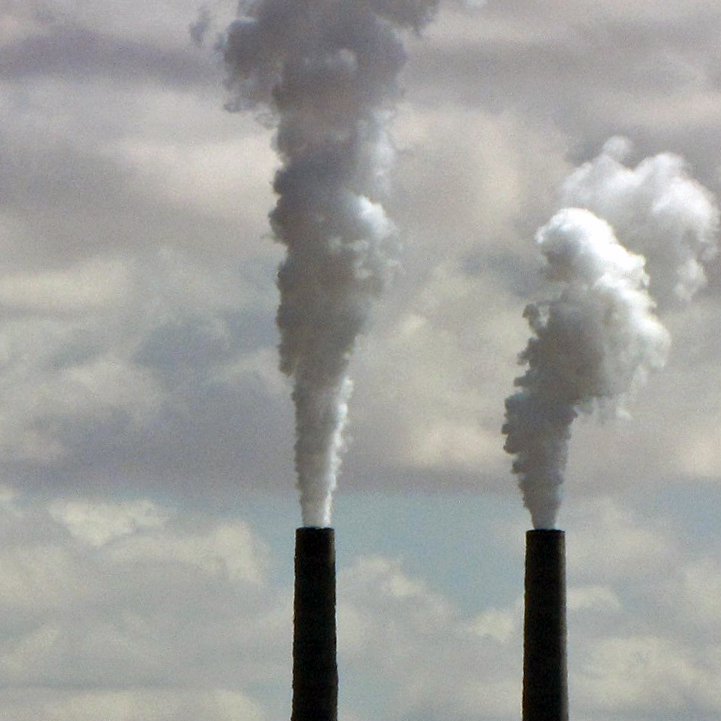
Navajo Generating Station, near Page, AZ

By Susanne Rust

Just as the federal government released its annual index of greenhouse gases, showing a steady increase over the past 21 years, the International Energy Agency warned that we are on the path to 11-degree warming if we don’t curb emissions now.

“Delaying action is a false economy: For every $1 of investment in cleaner technology that is avoided in the power sector before 2020, an additional $4.30 would be needed to be spent after 2020 to compensate for the increased emissions,” the authors of the energy agency report wrote in their 2011 World Energy Outlook.
Continue reading International Agency Issues Dire Warning

Global Warming, in Color

Berkeley Earth

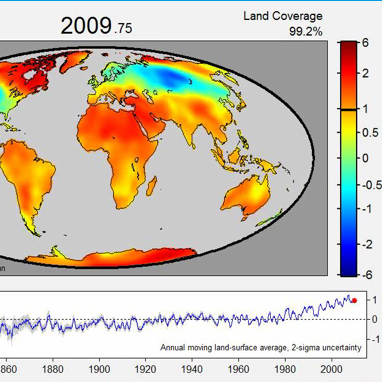
The head of the Berkeley Earth Surface Temperature (BEST) study, Richard Muller, a Berkeley physicist previously known for his skeptical views on anthropogenic warming, appeared on Capitol Hill Monday, for the first time since the release of the study’s results.

As we’ve reported, the study found that the Earth is warming. Surface temperatures have increased about one degree Celsius since the mid 1950s, according to the study, which relied on a database of 1.6 billion records. Continue reading Global Warming, in Color

California Hits Solar Energy Milestone

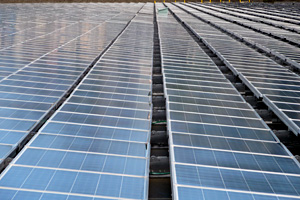
Homeowners and businesses have now installed one gigawatt of roof-top solar panels, according to a report released this week by the advocacy group Environment California.

A gigawatt – or a thousand megawatts – is enough energy for about 600,000 homes. Only five nations — let alone states — including Germany and Japan, have reached that level. “Even in a bad economy, the solar industry has been growing exponentially by 40 percent per year,” says Michelle Kinman of Environment California. Continue reading California Hits Solar Energy Milestone

New Federal Fuel Rules Expected Soon, California Poised to Benefit

Stricter fuel standards for cars and light trucks could bring tens of thousands of jobs and billions of dollars to the Golden State, one report says.

In July, when the Obama Administration announced a plan for strict new fuel efficiency standards that would require a fleet-wide average for cars and light trucks of 54.5 miles per gallon by 2025, the sustainable business non-profit CERES reported the move would create nearly 500,000 new jobs nationwide.

“The new jobs will be related directly to the auto industry, and there will be additional jobs because consumers will have more money to spend because they will be saving on fuel,” said Carol Lee Rawn, director of the transportation program at CERES. Continue reading New Federal Fuel Rules Expected Soon, California Poised to Benefit

San Francisco Plans for Sea Level Rise

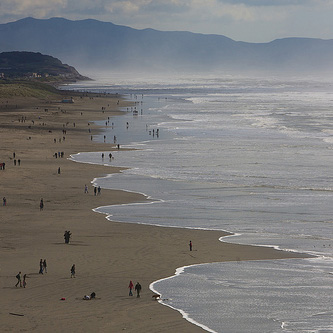
Ocean Beach could be in big trouble without some serious planning

By Jon Brooks

As more warnings go out to coastal communities about rising sea levels, local planners are starting to sharpen their pencils. Hence the Ocean Beach Master Plan. The San Francisco Planning + Urban Research Association (SPUR) is facilitating a coordinated effort among multiple agencies to create a “sustainable long-range plan” for San Francisco’s shoreline. Why do we need a plan? Because erosion of the beach and anticipated rising sea levels may necessitate major changes in the infrastructure that serves the area.

In September, economist Philip King of San Francisco State University unveiled a study aimed at putting estimated price tags on potential economic losses from sea level rise, a study in which San Francisco’s Ocean Beach emerged as a major potential loser. Continue reading San Francisco Plans for Sea Level Rise

Can a Changing Climate Make You Fat?

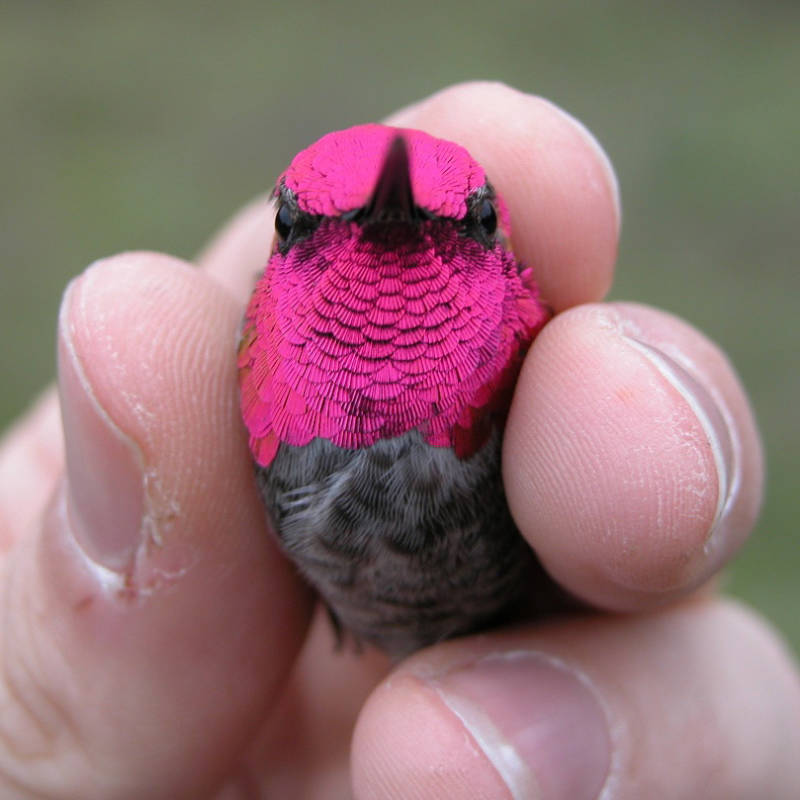
Anna’s Humminbird

Maybe… if you’re a bird.  

You may have heard that climate change is affecting the size of habitats, but did you know that it may also be changing the size of organisms themselves?

A new study finds that songbirds in central California are getting bigger.

The report, published this month in the journal Global Change Biology, looked at the wingspan and weight of thousands of small birds in the region, such as finches, robins, swallows and hummingbirds, and found that over the last 30 years size has increased from .02 percent to .1 percent annually.

Researchers at PRBO Conservation Science looked at data for 73 species, combing 40 years of data from Point Reyes National Seashore and nearly 30 years of data from Milpitas. Continue reading Can a Changing Climate Make You Fat?

How Saving Water Could Help Keep the Lights On

Water and electricity do mix

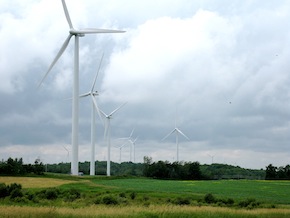
Wind is one of the few energy sources that requires virtually no water.

The Gordian knot of interdependence between water & power (not the political kind — that’s another story) has been getting a lot of attention lately as the “water-energy nexus.” A new report from Oakland’s Pacific Institute warns that as population grows and a changing climate further wrings water out of the West, “These trends will intensify water resource conflicts throughout the region.”

Oh, goody. Just what the West needs; more water conflicts. Continue reading How Saving Water Could Help Keep the Lights On

Govt. Study Affirms Delta Fears, Water Risks for California

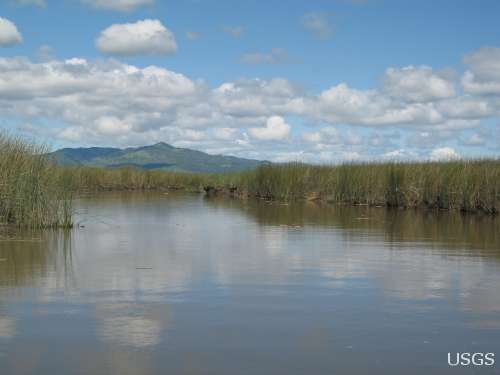
Suisun Slough in the lower Sacramento Delta. Twenty-five million Californians depend on the Delta for at least some of their water.

“Today’s extremes could become tomorrow’s norms”

That’s the upshot of an ambitious study by the US Geological Survey, which would appear to affirm some dire predictions for California’s most important water system.

The study, authored by nearly a dozen scientists, is billed as “the first integrated assessment of how the Bay-Delta system will respond to climate change.” It’s presented as a “flash forward” to what California’s Sacramento-SanJoaquin Delta could become by the end of this century. It ran a series of nine indicators through multiple models to project trends in temperature, precipitation, salinity, runoff and sea level rise.

The result: Pretty much what climate scientists have been saying; that we’ll see “potentially longer dry seasons,” a shrinking Sierra snow pack and “earlier snowmelt leaving less water for runoff in the summer.” Continue reading Govt. Study Affirms Delta Fears, Water Risks for California