There are still many questions about bird migration, including how it’s affected by climate
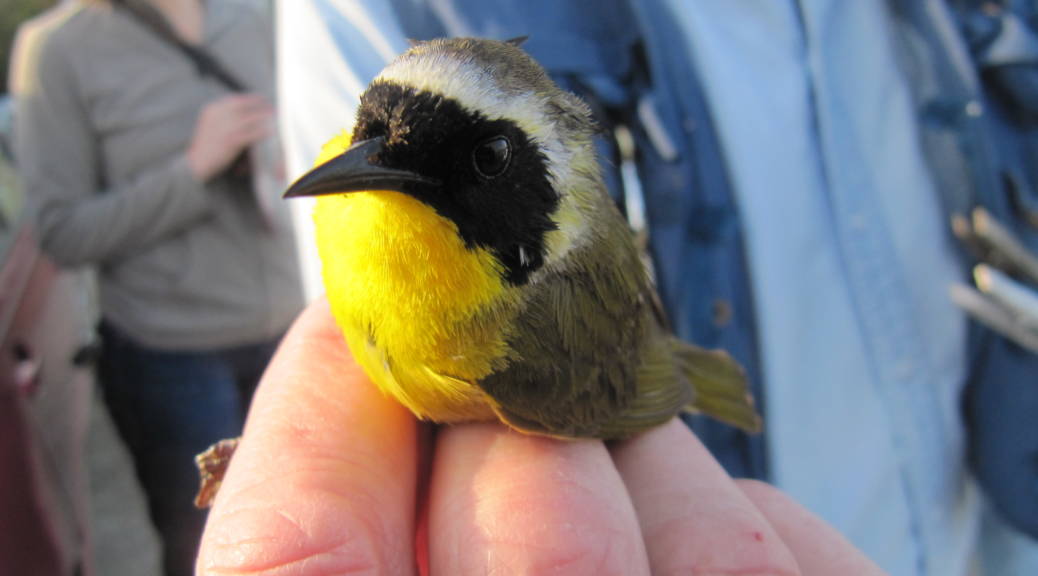
Millions of birds make their way through the San Francisco Bay Area on the way north to their breeding grounds every spring. Many shorebirds and waterfowl have already left, and now waves of songbirds are passing through. As well-watched as birds are, there are still a lot of things scientists don’t know about migration, including precisely where different species go each summer and winter, and what exactly triggers them to get going. Since so many birds pass through here, the Bay Area is a good place to try and sort out some of the questions, and to try to tackle another: how does climate change affect birds?
Lawsuits pit an endangered species against renewable energy development
This California condor, flying near the coast, is one of about 200 condors living in the wild.
Wind is a growing industry in the Tehachapi Mountains in Southern California. Kern County welcomes new wind projects, and Google has gotten in on the action. But some environmentalists say that developers and officials are ignoring the elephant — or, in this case, the enormous bird — in the room.
California condors are beginning to return to the Tehachapis after nearly going extinct in the 1980’s, and birds and wind turbines don’t mix. No California condors have yet had a run-in with a turbine. But they are still endangered — it’s illegal to kill them — and three environmental groups say that Kern County and the US Bureau of Land Management (BLM) are not properly considering the risks. The Sierra Club, Defenders of Wildlife, and the Center for Biological Diversity filed a lawsuit against the BLM today, regarding one wind development in particular. (They have previously sued Kern County over the same project).
As more water flows to the coast, California’s largest inland water body teeters on the brink
By Sam Harnett
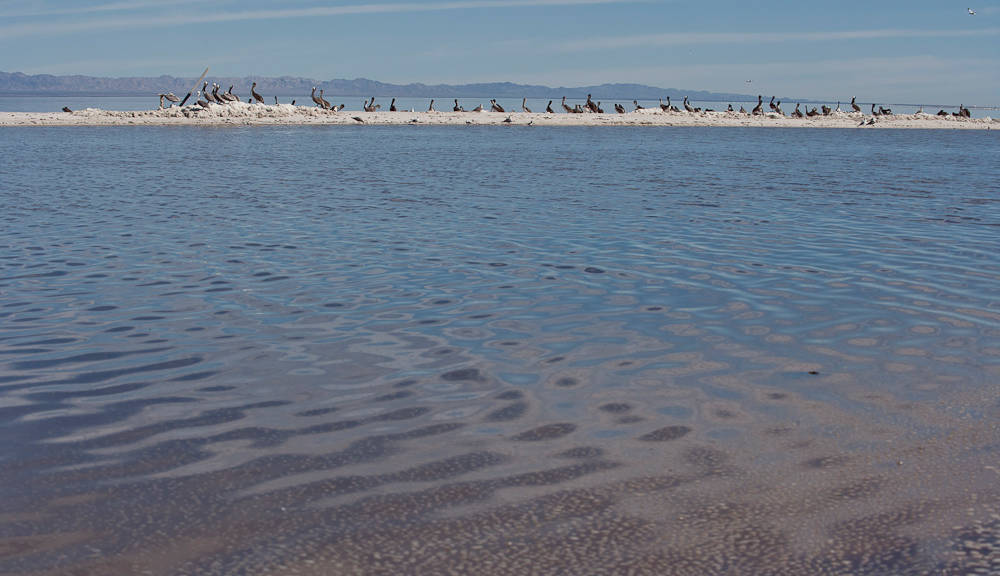
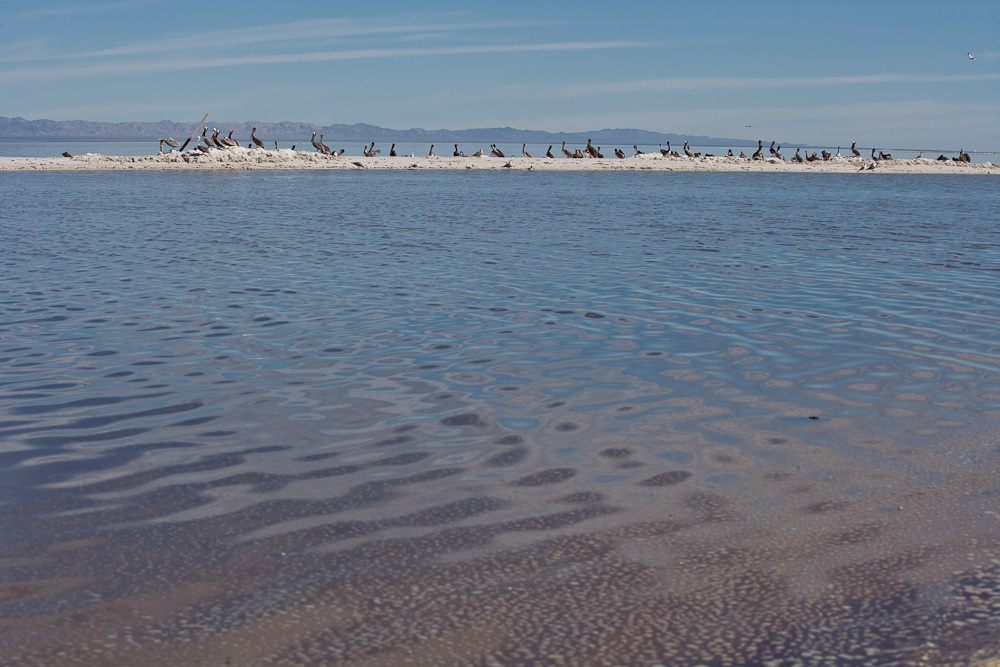
The Salton Sea, northeast of San Diego, is an important stop on the Pacific Flyway for migrating birds. Millions of birds stop there every year.” credit=”Gundi Vigfusson
Last month the California Supreme Court upheld a water transfer deal that sends billions of gallons of water a year from Imperial County farms to cities in San Diego County. The 2003 deal is the largest agriculture-to-urban water transfer in the history of the United States, and it will have major environmental and economic impacts on the region. One of the areas most dramatically affected will be California’s largest — and in many ways its most notorious — inland body of water: the Salton Sea.
The Salton Sea has a fraught history. It used to be part of the Colorado River Delta, but with the diversion of water the area has become desert. In 1905, a massive flood caused the formation of the current Sea, and during the following decades it became an iconic resort location, drawing fishermen and pleasure seekers from across the country. In the 1970s, the Sea fell from favor. Rising salinity killed all the sport fish, celebrities stopped coming, and the resort developments were abandoned. Today, the only water the Sea receives is agricultural run-off from nearby farms, and without that water, the Sea will disappear in a matter of years. Continue reading The Sorry State of the Salton Sea→
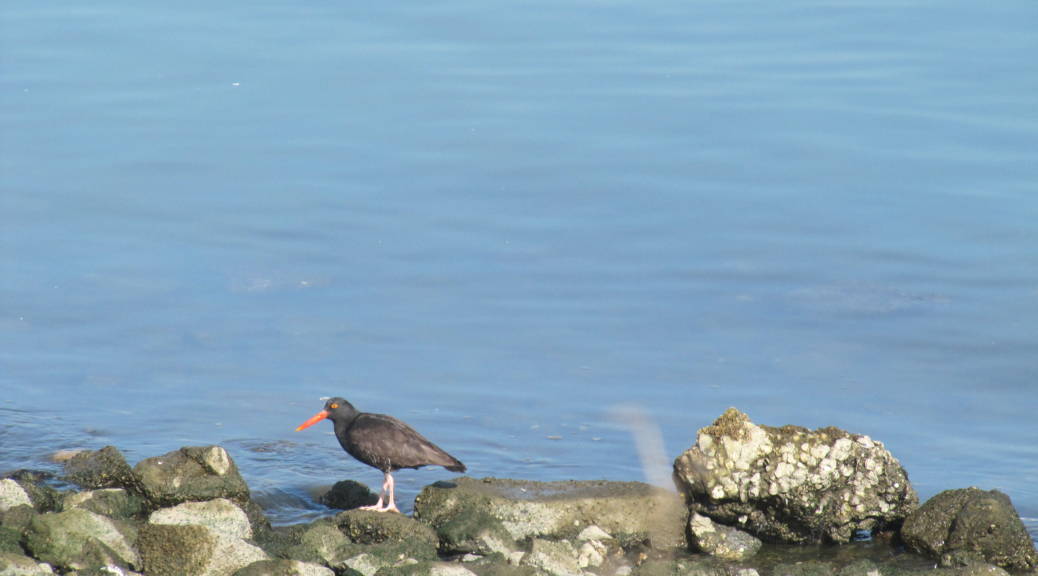
San Francisco Bay is home to the majority of the most vulnerable birds. “That’s primarily because of sea level rise and also because there are already so many imperiled species that use that habitat in the bay,” says Tom Gardali, an ecologist is PRBO Conservation Science.
You may have heard that climate change is affecting the size of habitats, but did you know that it may also be changing the size of organisms themselves?
A new study finds that songbirds in central California are getting bigger.
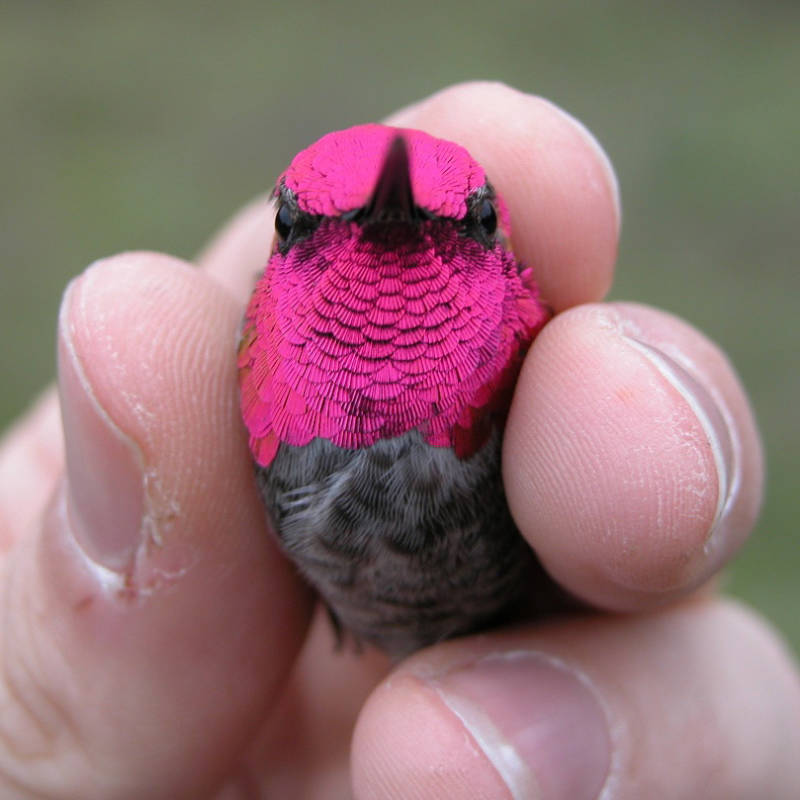
The report, published this month in the journal Global Change Biology, looked at the wingspan and weight of thousands of small birds in the region, such as finches, robins, swallows and hummingbirds, and found that over the last 30 years size has increased from .02 percent to .1 percent annually.
Climate change has California’s birds on the move, but not in the usual direction or at the same pace, a new study has found. Research suggests that warming temperatures and changing precipitation patterns will cause bird species distributions to shift independently, resulting in new bird “communities” appearing in up to half the state.
In some cases, these new communities will create combinations of birds that have never existed before, a situation that could disrupt the delicate balance of species interactions with potentially unanticipated consequences for whole ecosystems, the report authors concluded.
One of the co-authors, Stanford biologist Terry Root, told Climate Watch: “This will not be just a few species in a few locations–this tearing apart of communities could be quite extensive across California.”
The study authors, including Terry Root of Stanford and Diana Stralberg and John Wiens of PRBO, write that the emergence of new bird communities in the coming decades present enormous conservation and management challenges. They assert that rapidly changing habitats and ecological communities are going to require new approaches to conservation and management. “As new combinations of species interact, some species will face new competition and/or predation pressures, while others may be released from previous biotic interactions,” they wrote. “Managers and conservationists will be faced with difficult choices about how, where, and on which species to prioritize their efforts and investments.”
Root pointed to experience with wolves, coyotes and foxes, in which wildlife managers tried to control one, only to see unexpected spikes in the population of another: “Here is a community of only 3 canines to which we purposely forced changes, and we had two big surprises. Now we are talking about 70 species of birds shifting without any control of the force or the species being changed. I guarantee there will be a lot of surprises.”
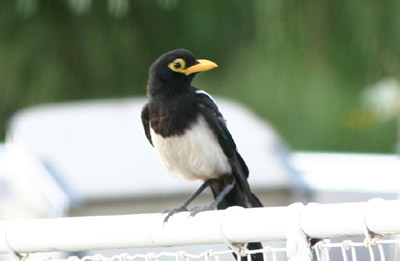
The yellow-billed magpie could lose 75% of its range. Photo by Mike Bergin
The hardiest of volunteers are winding up the Audubon Society’s Great Backyard Bird Count today. Consistent rain has made it a challenge throughout much of California (don’t get me wrong–you won’t see me complaining about rain at this point).
These bird counts are more than just feel-good exercises in pubic education. The data is useful in serious research, like the Society’s recent stunning report on the likely effects of climate change on bird populations. The study, released last week, combined climate models with 40 years of data from Aububon’s Christmas Bird Count, to paint a grim picture for California’s birds.
The part of the study that focused on California warned that a third of the state’s native bird populations could see their ranges shrink substantially as the planet warms. According to the report:
“These reductions will be part of massive range shifts to all of the state’s bird species caused wholly or in part by the effects of climate change.”
Gary Langham, who co-authored the California study, says it should provide a wake-up call, and not just for those crafting policy to cut greenhouse gas emissions: “It’s also a tool for land managers and conservation groups and others to look at the landscape and understand where their conservation investments would be most wisely spent.”
Langham and his co-author, William B. Monahan note that this is more than a projection:
“Climate change is already pushing species globally poleward and higher in elevation. In California, directional changes in climate during the 20th century were substantial.”
That squares with the observations of local birdwatchers. Tom Rusert, who founded the non-profit Sonoma Birding, says he’s seen a huge influx of American robins (something that might be a welcome sight in my hometown of Syracuse, NY, right about now). Rusert says his Sonoma Valley Christmas Bird Count drew 150 volunteers last year.