Category Archives: Water

Potentially the biggest climate impact on life in California

Tioga Pass Unwrapped: A Rare Midwinter Glimpse of “The Roof of California”

Authorities finally closed California’s highest mountain pass this week. Right before they did, Climate Watch contributor Dan Brekke got to see what few of us glimpse this time of year.

Highway 120 in Yosemite National Park winds toward Tioga Pass. The road closed Tuesday night after its longest winter opening since at least 1933.

It first captivated me back when I was an adolescent map reader back in the Midwest. I was poring over maps of California for a trip that didn’t happen—then—and took note of the roads across the Sierra Nevada. And the highest of all the mountain routes I could see crossed Tioga Pass, at an altitude that rounds to 10,000 feet. Nearly two miles above sea level.

Eventually I took that trip to California, but it was still a long time before I actually saw the place the map depicted. A good 15 years or so after I moved out here, I managed to scramble up there on a long weekend and spent a single afternoon driving Highway 120, the Tioga Road. Continue reading Tioga Pass Unwrapped: A Rare Midwinter Glimpse of “The Roof of California”

Jerry Brown Braves the Big Chill in Talking Climate

But the California governor relies largely on existing programs for progress

Governor Jerry Brown spent much of his State of the State address on California's environmental goals.

In a speech described by one Orange County Republican as “vintage Jerry,” Governor Jerry Brown tried to re-conjure the image of California as a can-do state. Brown also devoted a large portion of his annual State of the State address to environmental and climate-related topics.

Showing none of the climate timidity that has overtaken national politics, Brown declared that, “fossil fuels, particularly foreign oil, create ever rising costs to our economy and to our health.” By contrast, President Obama avoided using the word “climate” even once in last year’s State of the Union message, and gave global warming only the slightest nod in a recent address to science-friendly staffers at the Environmental Protection Agency. Continue reading Jerry Brown Braves the Big Chill in Talking Climate

Low Flows Endanger Russian River Coho Salmon

The abnormally dry winter weather is causing problems for more than just ski resorts in the Sierra.

Coho salmon turn red in their spawning stage.” credit=”Penny Crane/USWFS

The endangered coho salmon, which has slowly been making a comeback, faces another threat, this time from low flows in the Russian River.

Bob Norberg of the Santa Rosa Press Democrat has been reporting on the plight of the coho.

A major difficulty brought by reduced rain is the fish are still in the Russian River’s main stem rather than in the tributaries where they are usually spawning by now.

As a result, the Sonoma County Water Agency is distributing 20,000 cards with pictures and identifying characteristics at places where fishing licenses are purchased, in addition to the 20,000 printed two years ago.

“We kept hearing from people that there were coho in the river and we were hearing that the anglers would not be able to tell the difference and they would keep the coho,” said Ann DuBay, water agency spokeswoman.

Continue reading Low Flows Endanger Russian River Coho Salmon

Climate Change and Coastal Communities: Facing the Rising Tide

As the water rises, a documentary maker ponders why people aren’t more concerned

Rising seas will irrevocably change life near the San Francisco Bay. That’s the premise of RISE: Climate Change and Coastal Communities, a three-part documentary by producer Claire Schoen. The second part, “Facing the Rising Tide,” airs this evening at 8 pm on KQED Public Radio.

Opinion by Claire Schoen

Steve Mello’s family has been farming this land in the Delta for generations. Climate change may prevent his son from carrying on the family legacy.” credit=”Jan Sturmann

I recently dug out an old letter which I had written to my Dad back in 1982. “Have you heard about this thing called Global Warming?” I asked.

Back in the 80’s, I was already aware of what is now referred to as “climate change.” So why is it that so few Americans understand this threat today?

In fact, America is in retreat on the subject. According to Pew Research, the number of Americans who believe the planet is warming dropped by 20 percent from 2006 (79%) to 2010 (59%). “Believe.” As if this scientific phenomenon were a belief system, a question of faith.

Continue reading Climate Change and Coastal Communities: Facing the Rising Tide

A Few May Lose Big as Delta Changes: How to Contain the Cost

A new report warns that some islands in the Sacramento-San Joaquin Delta may not be worth saving.

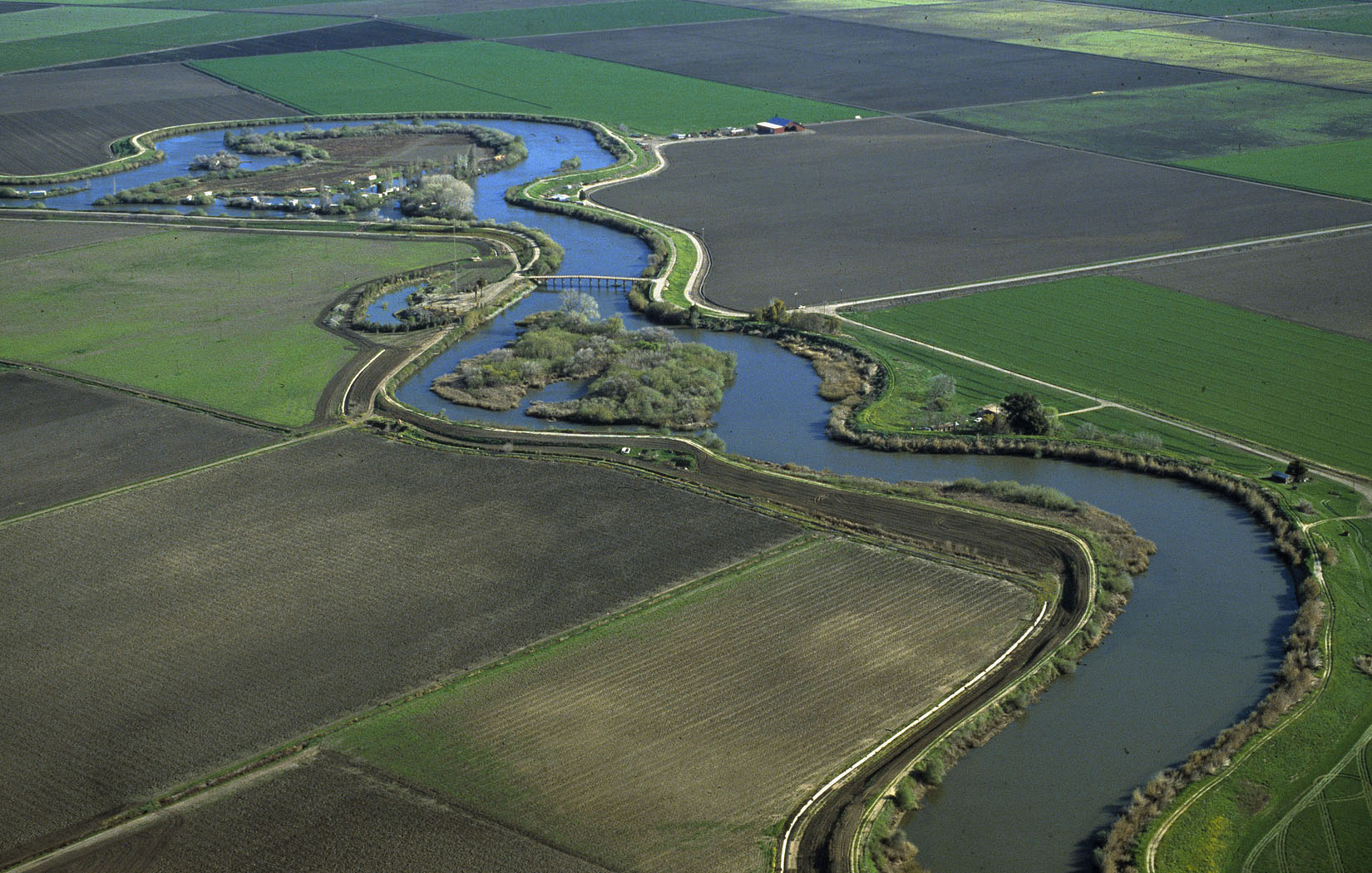
Increased flood risk in the Sacramento/San Joaquin River Delta has people worried about the economic impact on the farmers and residents located there.” credit=”California Department of Water Resources

Here’s the bad news for Delta farmers: A new report concludes that the worst climate impacts on the Sacramento-San Joaquin Delta could affect a relatively small number of people — the farmers whose land is below sea level and protected by a vast system of levees. Maintaining and repairing those levees falls on local reclamation districts, which can’t necessarily count on state or federal bailouts in the event of catastrophic flooding in the future. It can be expensive if a levee breaks. The Public Policy Institute of California (PPIC) studied the economic impacts of changes to the fragile Delta ecosystem and has produced some recommendations that are not likely to warm the hearts of some Delta landowners. Continue reading A Few May Lose Big as Delta Changes: How to Contain the Cost

We’re Not Alone: Wimpy Winter Weather Across the Country

Some atmospheric scientists think that could change soon.

By Andrew Freedman

While some may be cheering the lack of snow as welcome relief, the widespread lack of it spells trouble for the ski industry, which pumps billions into the wintertime economy in states from California to Maine, and requires cooperation from Mother Nature to stay in business.

Snow from last year's big winter storms could still be seen on the mountains near Lake Tahoe on August 30th. This winter has been one of the driest on record.

Ski area operators across the country are already reporting drops in lift ticket sales, and are hoping for a major change in the weather pattern to bring colder, snowier weather. So far, die-hard skiers have been forced to either ski on man-made snow or travel to one of the few far-flung areas that have benefited from the unusual weather, such as the mountains of New Mexico or Alaska (where one town has had 18 feet of snow).

Compared to last winter, this wimpy winter weather is coming as quite a shock.

Snow was so widespread last winter that at one point in January, every state except Florida had some snow on the ground. But this year, the U.S. had the 11th least extensive December snow cover in the 46-year satellite record, said David Robinson, the director of the Global Snow Lab at Rutgers University.

“Is it fair to call it a snow drought? We’re getting there,” Robinson said. “It’s certainly an early season snow drought.”

Continue reading We’re Not Alone: Wimpy Winter Weather Across the Country

Drain it! Pay More for the Water! The Hetch-Hetchy Saga Continues

San Francisco’s use of the Hetch-Hetchy Valley to store 85% of its water has come under fire…again.

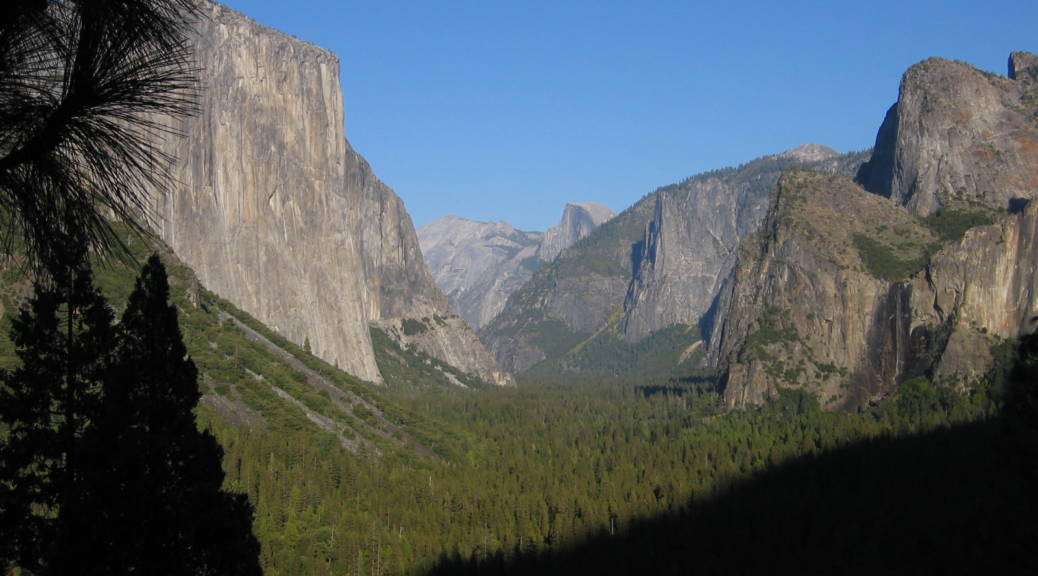
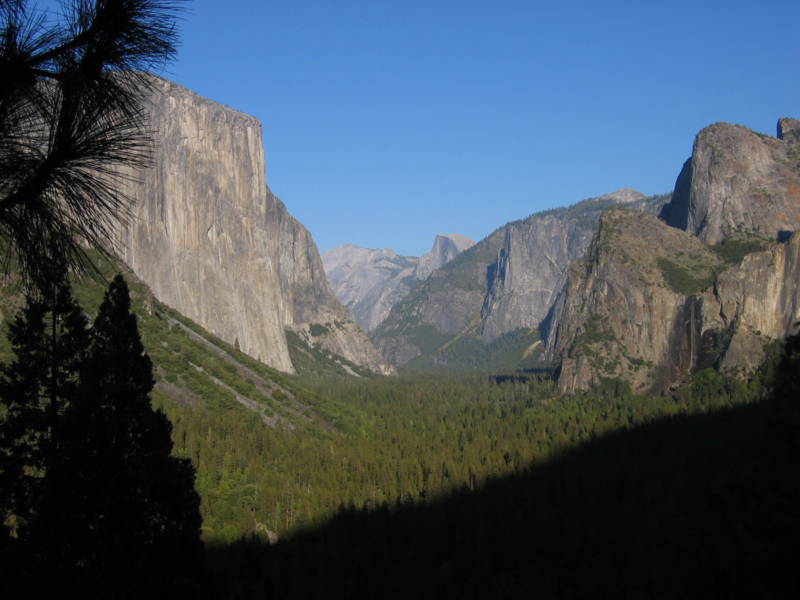
The Yosemite Valley offers some of the most spectacular views in California. Some people would like to see the Hetch-Hetchy Valley restored to a similar state.

Over the past couple of weeks San Francisco’s water supply and fixed annual fees for that water have come under attack by Republican Congressmen from other parts of the state. The first parry came from Representative Dan Lungren who represents the area stretching east from Sacramento. Lungren has a self-proclaimed “love affair” with Yosemite and thinks it’s worth spending some money to find out if restoring the valley is feasible. On KQED’s Forum program, Lungren argued that, “The possibility that we might have a second Yosemite Valley is something that at least I believe ought to be looked at. And yet everyone who opposes us seems to be afraid of looking at the facts.”

Continue reading Drain it! Pay More for the Water! The Hetch-Hetchy Saga Continues

Keeping Central Valley Crops and People Safe From Floods: A Costly Proposition

Big plans to revamp the Valley’s piecemeal flood management system…if there’s money for it

Now that the state’s revamped Central Valley Flood Protection Plan (big PDF) is out for public perusal, the question is whether the political will — and the cash — will be there to make it happen.

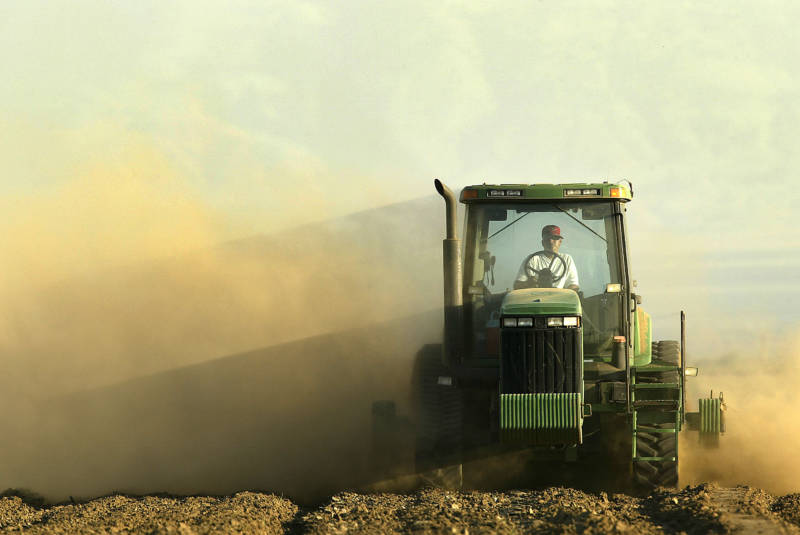
California status as an agricultural powerhouse is largely due to the fertile lands in the Central Valley, which are also prone to floods.

The Sacramento and San Joaquin river basins run through the valley and can overflow their banks threatening more than a million people and an estimated $69 billion in assets, according to the report. The current flood management system has been in place for about a hundred years and was designed specifically to keep water from the rivers off the land so that people could grow crops. Now the system has varied uses including conservation of habitat, water supply and water quality. The old system really isn’t up to the job anymore and almost everyone agrees that it will take a serious investment to bring it up to snuff.

Continue reading Keeping Central Valley Crops and People Safe From Floods: A Costly Proposition

Sierra Snow Outlook is Bleak

Water users may be relying heavily on leftover water storage from last year

Hard to imagine now: A snowed-over road near Lake Tahoe in March.

It was startling to see the state’s lead snow surveyor kneeling on bare grass near Echo Summit, trying to find enough snow to measure the water content. But so it went with the first official survey of the season, conducted by California’s Dept. of Water Resources.

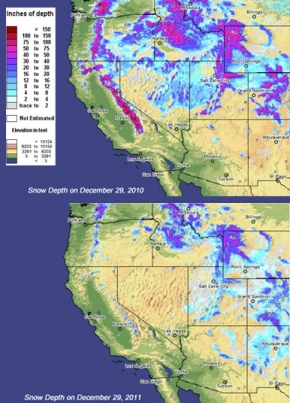
The manual survey affirmed what remote sensors had already relayed — that water content in the Sierra snowpack stands at just 19% of the average reading for this time, right around New Year’s. The readings are just seven percent of where things usually stand on April first, meaning we have a long way to go, to get back to “normal.” Continue reading Sierra Snow Outlook is Bleak

Sounding the Waters: Is the Bay Area Prepared for Sea Level Rise?

A new documentary attempts to find the answer

Sea level rise will irrevocably change life near the San Francisco Bay. That’s the premise of RISE: Climate Change and Coastal Communities, a documentary that starts airing this week on KQED Public Radio. Producer Claire Schoen sets the stage on a personal note.

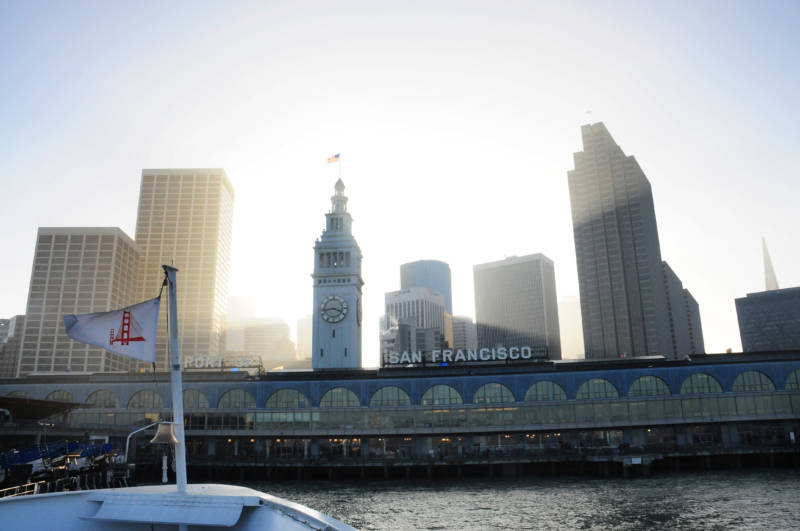
Climate scientists predict that sea level rise and extreme weather will cause severe, repeated flooding of San Francisco’s Financial District by 2050.

By Claire Schoen

“Mom, can you please can it with the climate change lecture  – just for once,” my children complained. At ages 22 and 26, my politically correct, Berkeley-raised kids are well educated in all things scientific and political. But… “Enough already,” they cry.

And I confess that their complaint has some validity: I can bring up the topic of climate change in pretty much any conversation.

But really, what other topic is there?

Continue reading Sounding the Waters: Is the Bay Area Prepared for Sea Level Rise?