All posts by Molly Samuel

Molly Samuel joined KQED as an intern in 2007, and since then has worked here as a reporter, producer, director and blogger. Before becoming KQED Science’s Multimedia Producer, she was a producer for Climate Watch. Molly has also reported for NPR, KALW and High Country News, and has produced audio stories for The Encyclopedia of Life and the Oakland Museum of California. She was a fellow with the Middlebury Fellowships in Environmental Journalism and a journalist-in-residence at the National Evolutionary Synthesis Center. Molly has a degree in Ancient Greek from Oberlin College and is a co-founder of the record label True Panther Sounds.

Turning the Tide at Ocean Beach

Pencil-ready: Funding comes through for Ocean Beach adaptation studies
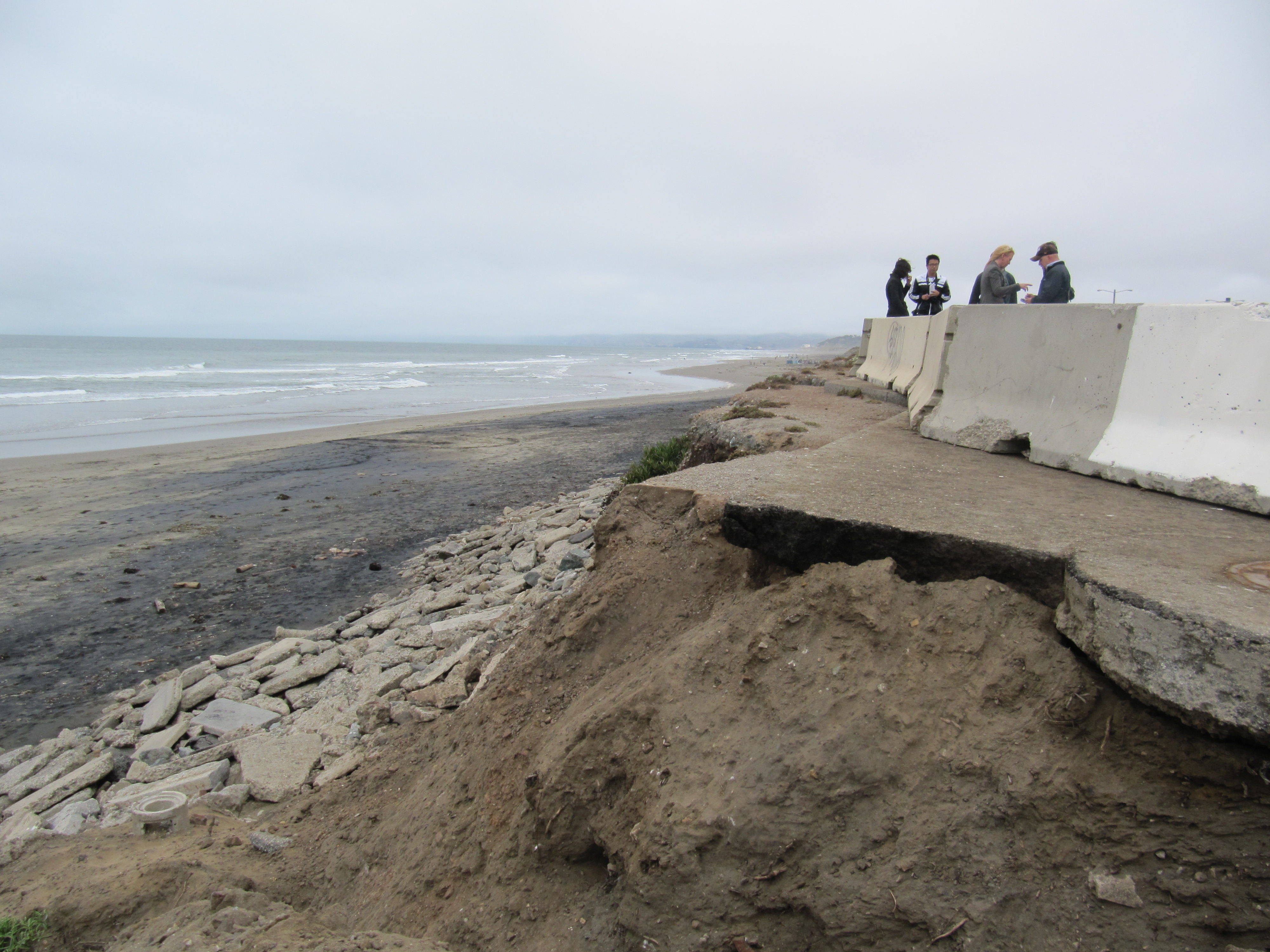
At San Francisco’s Ocean Beach, erosion and sea level rise threaten infrastructure.” credit=”Molly Samuel/KQED

As an Army Corps of Engineers dredge dumped sand offshore, a crowd of politicians, representatives from local and federal agencies, business owners and volunteers gathered in a crumbling parking lot on Thursday to voice their support for the Ocean Beach Master Plan, a sweeping project to prepare for sea level rise and stem erosion on San Francisco’s western shore.

Project manager Benjamin Grant said that with more than a million dollars in grants now secured, the San Francisco Planning and Urban Research Association (SPUR) is ready to get down to the nitty-gritty details of how to implement the plan, which was officially released in June.

“There’s a lot of work that goes into taking something from a big visionary idea to a project that’s actually in the pipeline at a public agency,” Grant said. Continue reading Turning the Tide at Ocean Beach
Preserving Biodiversity in the Age of Climate Change

The dean of conservation biology has a message for young scientists: Get out of the lab

Hundreds of scientists are gathered in Oakland this week to share ideas on how to stem the tide of extinctions among plants and animals. On opening night of the inaugural North American Congress for Conservation Biology, they got an earful from Michael Soulé, professor emeritus at UC Santa Cruz, founder of the Wildlands Network and the Society for Conservation Biology. Considered the “father” of conservation biology, Soule is concerned that the work he started is getting bogged down in the lab. I sat down to talk with him at the conference. This is an edited version of the interview.

What were the biggest problems when you started working on conservation biology?

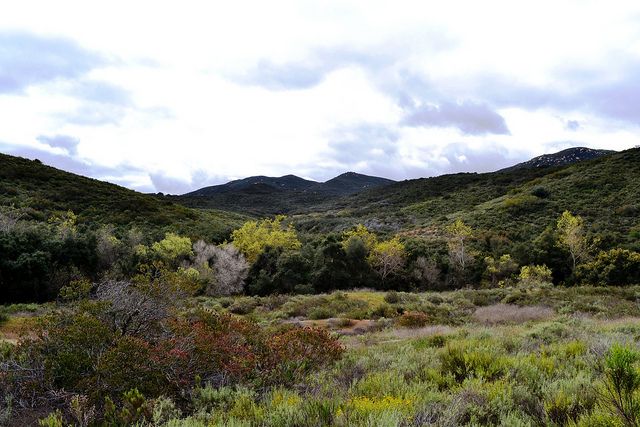
Coastal sage scrub and riparian habitat on the San Diego Refuge.

I was a kid naturalist in San Diego. I went around collecting things and going to tide pools and playing in the chaparral, the coastal sage scrub. Those places are gone now; they’ve been bulldozed and they’re now housing developments. So I saw with my own eyes, and was gradually more and more horrified to see, everything I loved disappear, bulldozed.

Later, in the late ’70s and early ’80s, I recognized that human population growth was a tremendous factor in changing and shrinking habitats all over the world. And we recognized that pollution — in those days it was DDT — was a big factor in causing the disappearance of brown pelicans, for example, on the West Coast. Continue reading Preserving Biodiversity in the Age of Climate Change

Rising Sea Levels Threaten Toxic Sites

Contaminated areas along the San Francisco Bay could be inundated

The Hunter's Point Naval Shipyard is one of the EPA's Superfund sites in the Bay Area.

As water levels rise, old landfills, shipyards and industrial sites that line the San Francisco Bay are at risk of being submerged, exposed to higher storm surges and inundated by groundwater. Toxic substances, including arsenic, lead, petroleum products, asbestos and DDT that have been sealed off could leech into groundwater or into the Bay.

While the agencies that have a hand in keeping the Bay clean consider sea level rise in new clean-up projects, they can’t necessarily revisit every old one, according to reporter Nate Seltenrich, who wrote about the problem in this week’s East Bay Express. Continue reading Rising Sea Levels Threaten Toxic Sites

Why Hasn’t California Been Hit With This Summer’s Extreme Heat?

As the rest of the country roasts, California has enjoyed a moderate summer

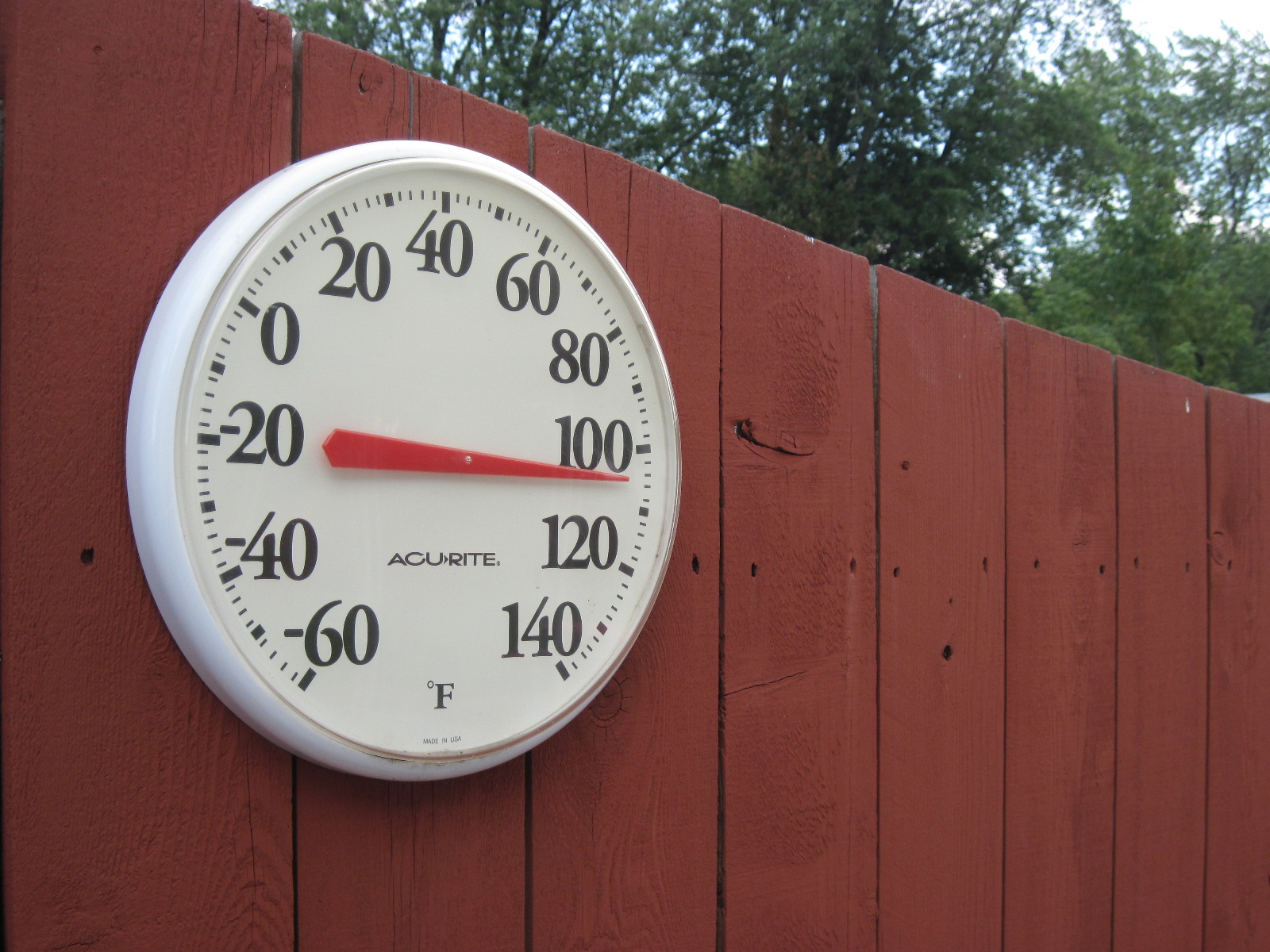
California has not experienced the extreme heat much of the rest of the country has this summer.

For more than a week, record-breaking temperatures have been baking the Midwest and East Coast. But while cities in other parts of the country broke and tied records for the hottest Fourth of July, in San Francisco I bundled-up in a couple sweaters and watched the fireworks through the fog. Which is typical. Overall, it’s been an average summer here in California, at least temperature-wise.

“At June around the state, most places were fairly close to normal, or a degree and a half below normal, so not any real extremes,” Jan Null, a meterologist with Golden Gate Weather Services, told me. “We’ve stayed in the mild, in-between area. It was not a particularly cold winter, and not a particularly hot summer.” Continue reading Why Hasn’t California Been Hit With This Summer’s Extreme Heat?

Vote on $11 Billion Water Bond Delayed Another Two Years

The massive bond, which would have been on this year’s ballot, will now go to voters in 2014

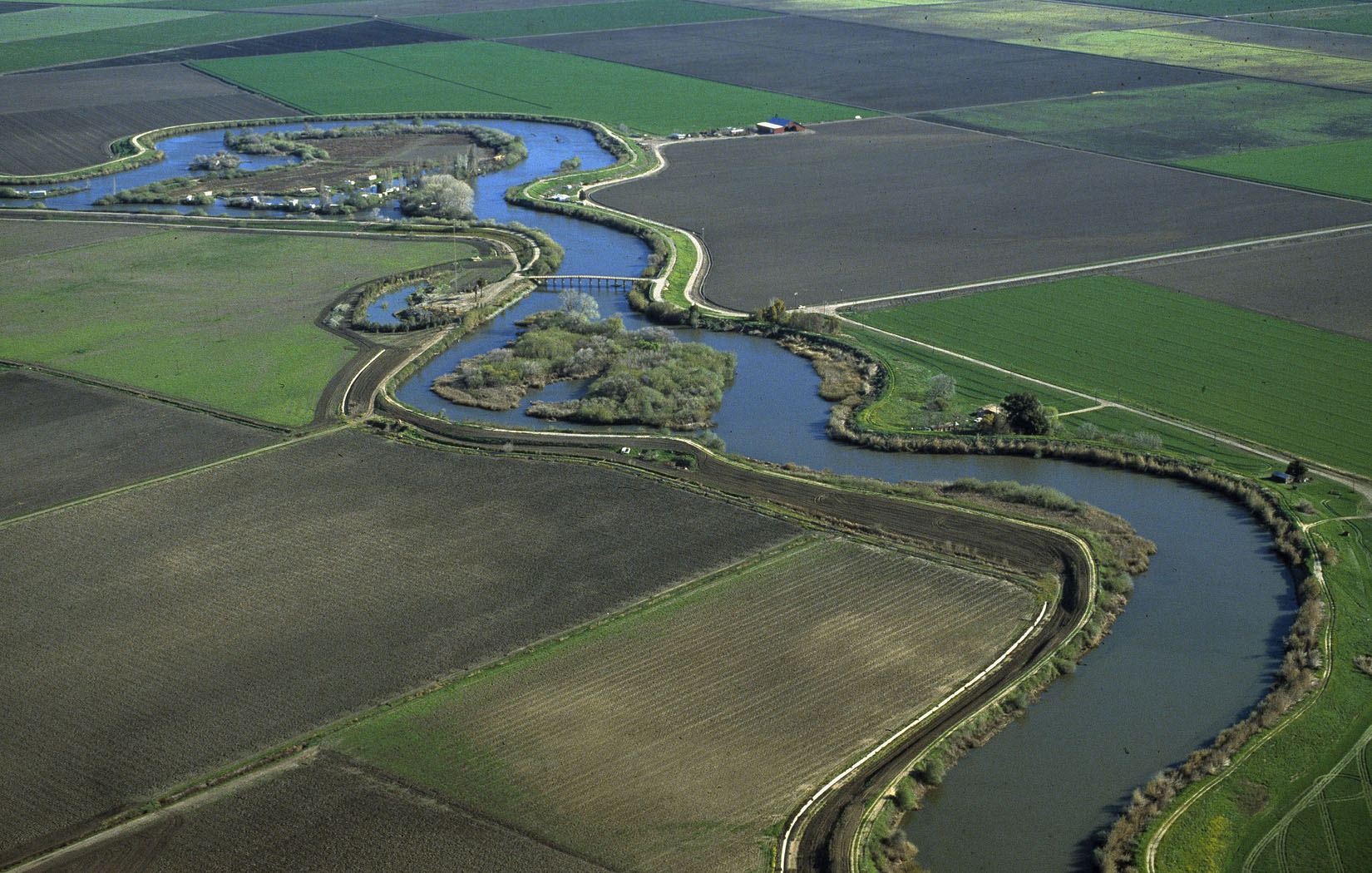
The water bond would help fund restoration projects in the Delta.

The California legislature voted in favor of postponing the state’s water bond on Thursday. The bond, which would provide funds for water supply, environmental restoration and groundwater protection projects, was originally scheduled to be on the November, 2010 ballot. Then, the legislature voted to delay until this year, when they pushed it back, again.

“The ballot was too crowded and people had a lot of other things on their mind,” Senator Jean Fuller told me before the vote. “People are much more concerned about financial issues.”

Governor Jerry Brown’s tax measure is on this November’s ballot. He had previously asked for the water bond to be delayed, because he also didn’t want the competition.

An analysis by the Pacific Institute found that the bond is the largest since the one that funded the State Water Project in the 1960’s. Continue reading Vote on $11 Billion Water Bond Delayed Another Two Years

CalFire: Watching Colorado, Preparing for the Worst

There have already been more than 2,500 wildfires in California this year

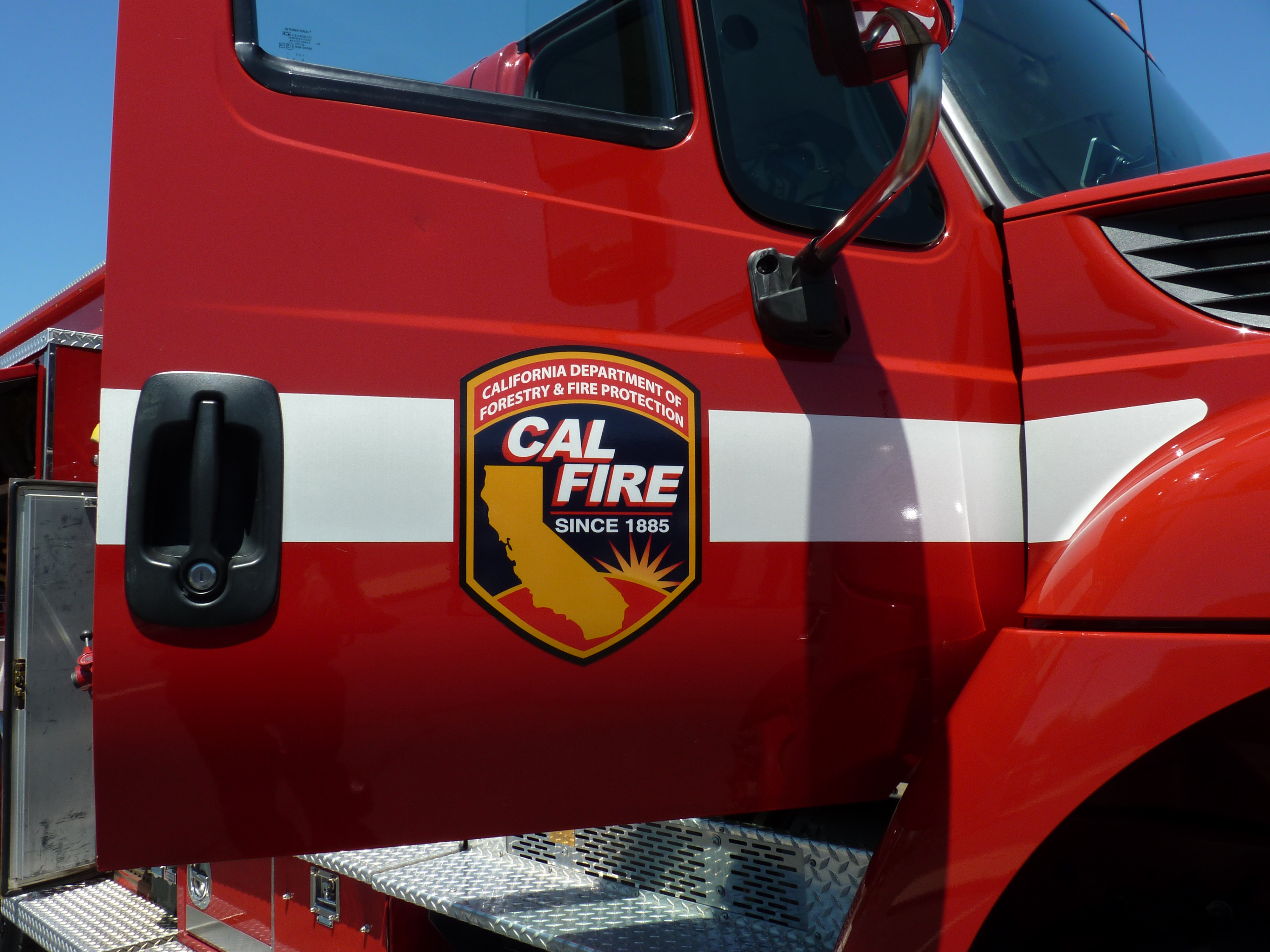
A wildfire truck owned by California Department of Forestry and Fire Protection (CalFire).

While CalFire experts, embedded with the California National Guard are helping fight the massive wildfires in Colorado, CalFire is also beefing up at home, preparing for the peak of California’s fire season. As of this week, the agency is fully staffed, with 7,000 personnel, hundreds of engines and dozens of air tankers and helicopters.

CalFire has already responded to 2,308 fires this year — that’s more than 1,000 more than at this time last year, and higher than the five-year average, too. Combined with the fires in local jurisdictions, there have been more than 2,500 fires this year, and that doesn’t include wildfires on federal land. Continue reading CalFire: Watching Colorado, Preparing for the Worst

Why is Hydropower Relicensing So Complicated?

Unraveling the knot of hydropower development on the Yuba River

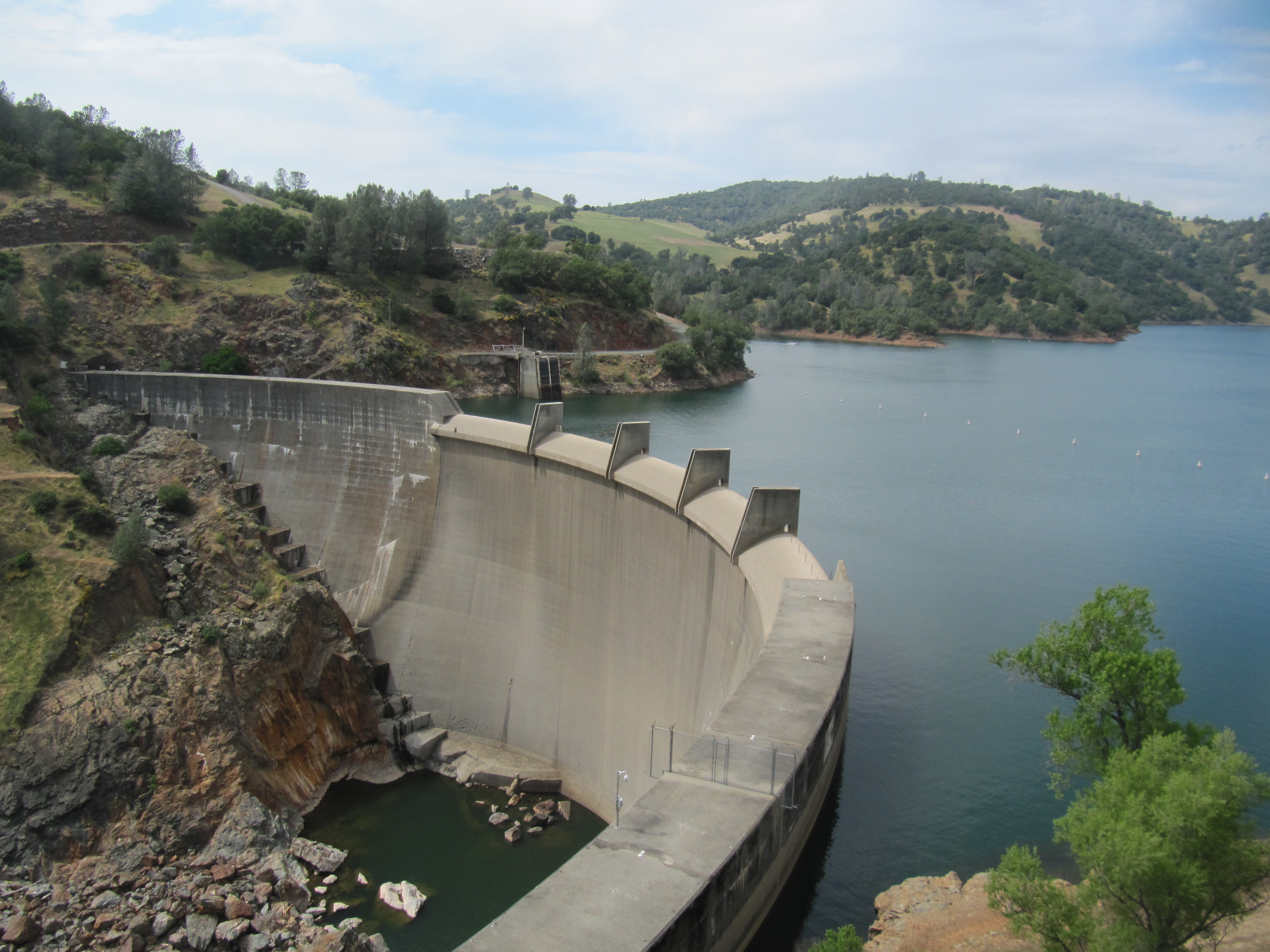
Englebright Dam is not part of any of the hydro projects on the Yuba River, but it's surrounded by them.

When most of the dams in California were built, there were few, if any, safety or environmental regulations governing how they operated. Now most hydropower projects, whether they’re owned by local agencies or power companies, need licenses from the Federal Energy Regulatory Commission, or FERC. (Federal projects don’t require FERC licenses.) Licenses are good for 30 to 50 years, and licensees don’t have to keep up with, for instance, environmental laws passed in the intervening years. So when a hydropower project does come up for relicensing, there’s a lot to catch up on.

I described some of the relicensing process in a radio story for The California Report for Climate Watch’s “Water and Power” series. Dennis Smith, the Hydropower Relicensing Manager for Region 5 for the Forest Service, gave me a taste of how complicated relicensing is when he showed me a flow chart [PDF] of how the process works. It has 39 boxes on it, each a discrete step. A typical application takes at least five years to complete. Some take much longer.

“You could have a child and he would be in the first grade by the time you got a license for a dam,” Smith said. Continue reading Why is Hydropower Relicensing So Complicated?

Sea Level Rise Will Hit Calif. Harder Than Rest of the West

New study zeroes in on sea level rise on the West Coast, finds variation based on location

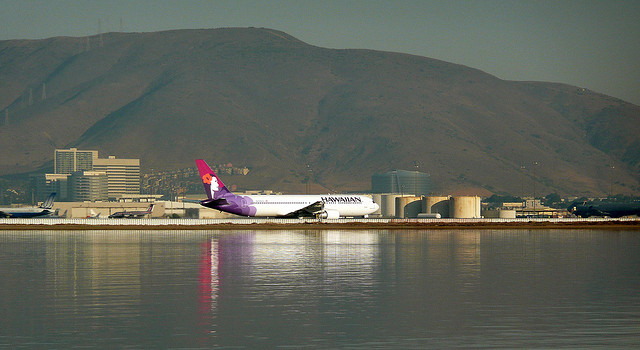
San Francisco International Airport could be underwater within the next few decades.

By 2030, sea levels on most of California’s coast will be five inches higher than ten years ago. By 2100, three feet higher. That’s according to a new report by the National Research Council. The study arrived at numbers that aren’t far from previous projections of sea level rise, but other research has been on a global scale, and this one focused specifically on the West Coast.

“What was surprising to me was Oregon and Washington being so different,” Robert Dalrymple told me; he’s a professor of civil engineering at Johns Hopkins University and chair of the Committee on Sea Level Rise in California, Oregon, and Washington, which wrote the report.

Sea level rise happens at different rates at different places. Continue reading Sea Level Rise Will Hit Calif. Harder Than Rest of the West

Rethinking Hydropower

The bureaucratic, expensive and often contentious world of hydropower relicensing

This post is part of Climate Watch’s series, “Water and Power.”

Just so we all start on the same page: there are a lot of dams in California. People have been building dams here since the Gold Rush, and though the dam building boom of the first half of the 20th century is long-over, the dams are still here.

This animation shows all the dams in California. To see a breakdown of which ones are connected to hydropower projects (and which rivers in California remain undammed), explore the Water and Power map. Graphics produced by Don Clyde. Research by Lisa Pickoff-White.

When people began building dams in California, they probably were probably mostly thinking about gold. Later, they had more lofty ideals: controlling floods, supplying water to cities and farms, generating electricity.

One thing they probably weren’t thinking much about: pond turtles. Until recently. Continue reading Rethinking Hydropower

New Soot Limits Will Challenge Some SoCal Counties

The EPA’s new air quality standards reduce the amount of soot allowed in the air

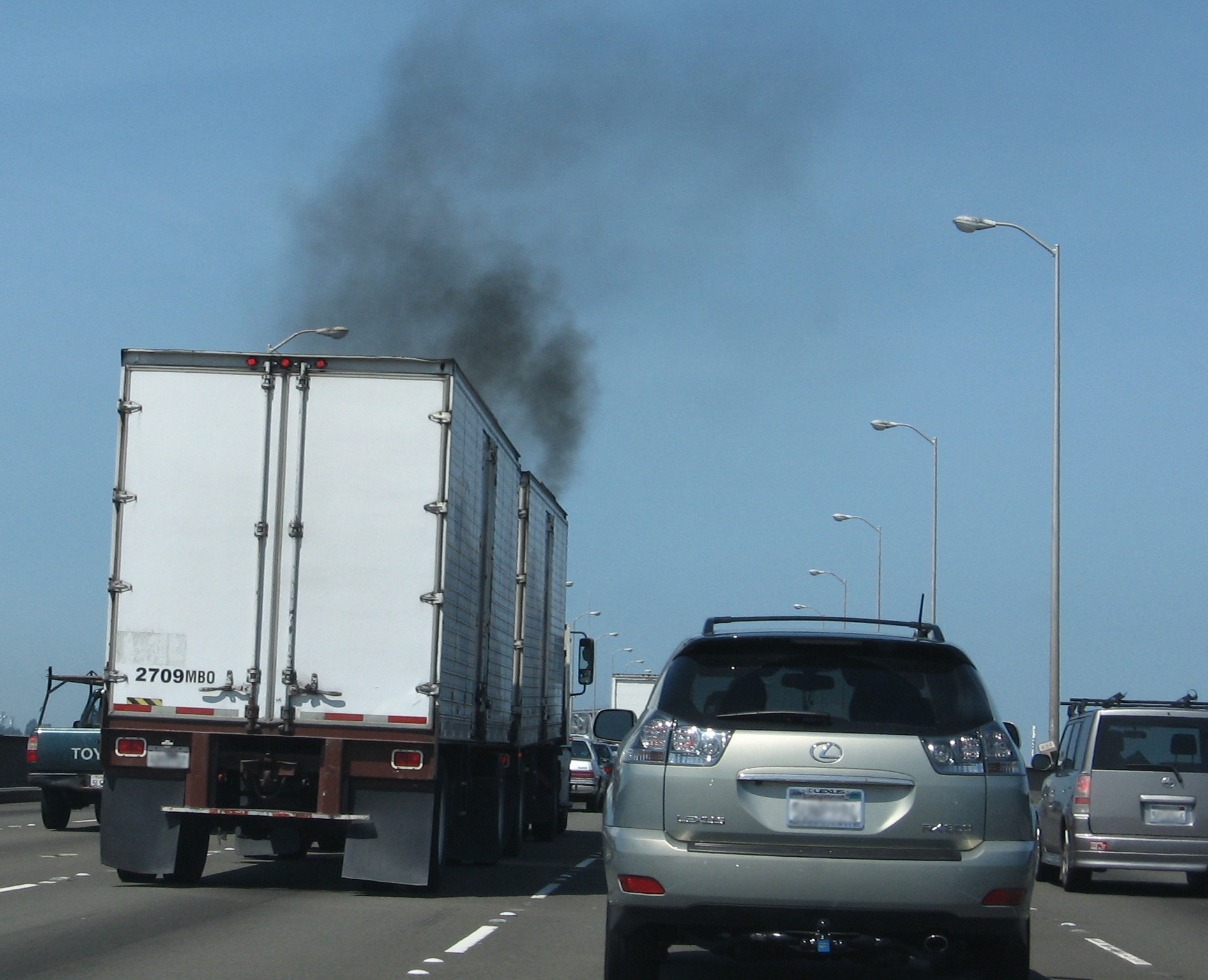
Soot comes from diesel trucks, industrial emissions and fires.

Two California counties are already behind the eight-ball with the Environmental Protection Agency’s proposed new limits on soot. San Bernardino and Riverside are the only counties in the country that the EPA projects will not be able to adhere to the upper limits of its new range.

Soot has been linked to asthma, heart attacks and strokes and it’s also a culprit in climate change. The nasty stuff, also known as black carbon, comes from smoke from fires, diesel tailpipes and industrial emissions.

The Environmental Protection Agency is proposing an update to its national air quality standards, which seeks to lower the amount of soot in the atmosphere. The new rule would limit the annual exposure to fine particle pollution to between 12-and-13 micrograms per cubic meter. The current standard is 15 micrograms per cubic meter.

The New York Times’ Green blog writes that the EPA had delayed issuing the politically volatile proposal until it was ordered to by a federal court judge. California was one of the states that challenged the delay: Continue reading New Soot Limits Will Challenge Some SoCal Counties