Unraveling the knot of hydropower development on the Yuba River
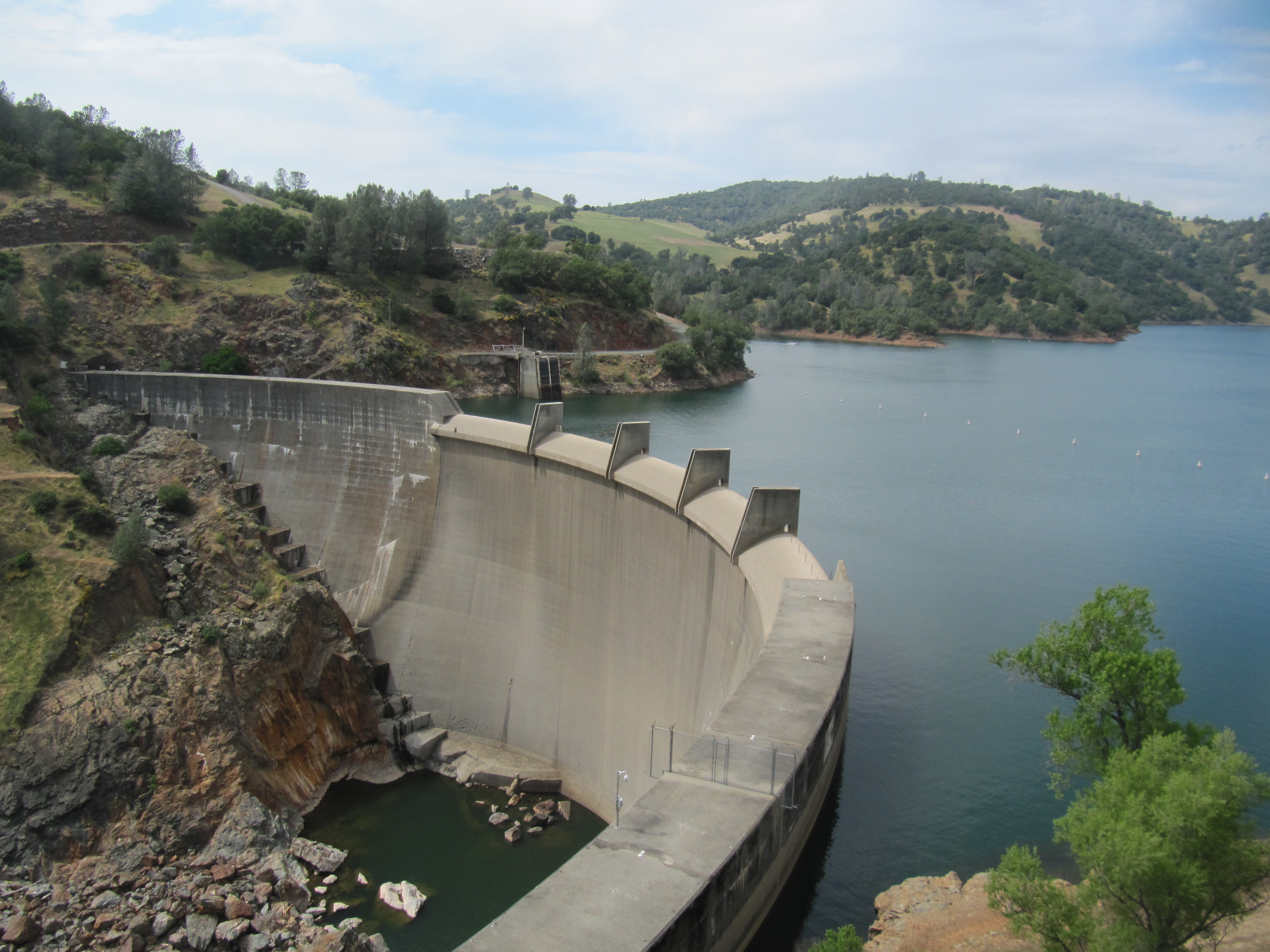
When most of the dams in California were built, there were few, if any, safety or environmental regulations governing how they operated. Now most hydropower projects, whether they’re owned by local agencies or power companies, need licenses from the Federal Energy Regulatory Commission, or FERC. (Federal projects don’t require FERC licenses.) Licenses are good for 30 to 50 years, and licensees don’t have to keep up with, for instance, environmental laws passed in the intervening years. So when a hydropower project does come up for relicensing, there’s a lot to catch up on.
I described some of the relicensing process in a radio story for The California Report for Climate Watch’s “Water and Power” series. Dennis Smith, the Hydropower Relicensing Manager for Region 5 for the Forest Service, gave me a taste of how complicated relicensing is when he showed me a flow chart [PDF] of how the process works. It has 39 boxes on it, each a discrete step. A typical application takes at least five years to complete. Some take much longer.
“You could have a child and he would be in the first grade by the time you got a license for a dam,” Smith said. Continue reading Why is Hydropower Relicensing So Complicated?