How many gallons to run that microwave?
We hear a lot about how green our energy is in California. Instead of using coal, the state runs on natural gas and increasingly, renewable power.
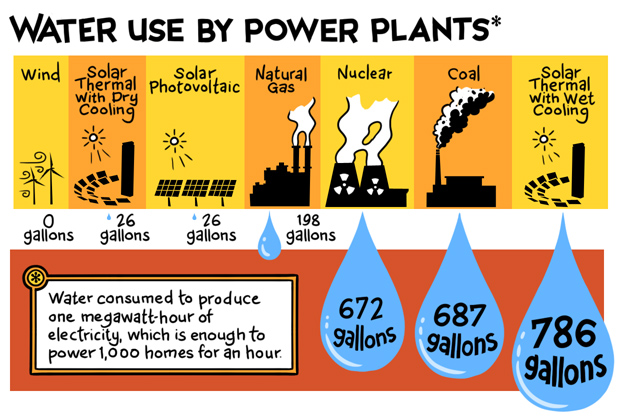
But there’s a hidden cost to our energy supply: water use. In fact, every time you turn on a light, it’s like turning on your faucet. It’s been calculated that it takes 1.5 gallons of water to run a 100-watt light bulb for 10 hours.
The way water and power work together is a lot like a tea kettle. Steam drives the power industry.
How Power Needs Water
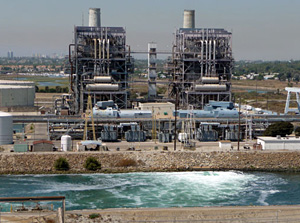
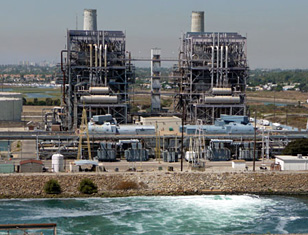
You can see it at the Gateway Generating Station, a natural gas power plant in the northeast Bay Area. The plant looks complicated but making power is pretty simple. Step number one: burn natural gas. That produces a lot of heat.
“You’ve got 1,700-degree exhaust energy, or waste heat,” says Steve Royall of PG&E, who is giving me a tour through the maze of pipes and compartments. The heat hits pipes that are filled with water and the water is boiled off to create steam. That’s step number two: make steam to turn a steam turbine, which is attached to a generator. It’s the water that’s making the power.
Continue reading The Water That Fuels California’s Power Grid