
Mind/Shift: Why Teachers Should Be Trained Like Actors

Story by Katrina Schwartz

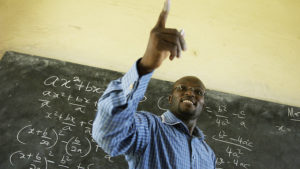
Teaching is a lot like acting, a high-energy, performance profession that requires a person to act as a role model. But when teachers go through training and professional development, the performance aspect of the job is rarely emphasized or taught. Acknowledging this aspect could be a missed opportunity to restructure ways teachers learn new skills and tactics.

Actors, musicians or acrobats spend hours perfecting their craft because that’s how they improve. Teachers on the other hand, are often asked to identify teaching tools and tactics they’d like to try and to reflect on how those new elements could be integrated into the classroom.

“Knowing what you want to do is a long way from being able to do it,” said Doug Lemov, managing director of Uncommon Schools, a non-profit school management organization and author of Teach Like a Champion and Practice Perfect: 42 Rules for Getting Better at Getting Better in a recent Future of Education conversation with Steve Hargadon. He started trying to improve teaching by identifying the best practices of exceptional teachers and giving workshops on those “gold nuggets” to less experienced teachers. While many teachers found what they learned helpful, they couldn’t put the new methods into practice.

Read more.

Mind/Shift: For Students, the Importance of Doing Work That Matters

Story by Will Richardson

Photo: MartinaK15

We’re halfway to school when my 14-year-old son remembers a homework assignment he forgot to do for biology class.

“Something big?” I ask, fearing the worst.
“Nah,” he says with a shrug. “Just a handout and some questions. It doesn’t matter.”

It’s happened before, many times, in fact, that “it doesn’t matter” response when it comes to work both of my kids are doing in school. This morning when he said it, I started trying to remember any work that they’d done this year that actually did matter in the world, work that seemed to have a purpose outside the classroom. Unfortunately, not much came to mind.

That’s an especially frustrating reality for me because in my travels to schools around the world I see lots of examples of “work that matters”; high school kids in Philadelphia designing solar panels for hospitals in the African bush; middle school kids in San Diego writing books about their local ecosystems and selling them in local stores; primary school kids designing a new classroom wing being built at their school outside of Melbourne, Australia. And more.

“Work that matters” has significance beyond classroom walls; it’s work that is created for an authentic audience who might  enjoy it or benefit from it even in a small way. It’s work that isn’t simply passed to the teacher for a grade, or shared with peers for review. It’s work that potentially makes a difference in the world.

Read more.