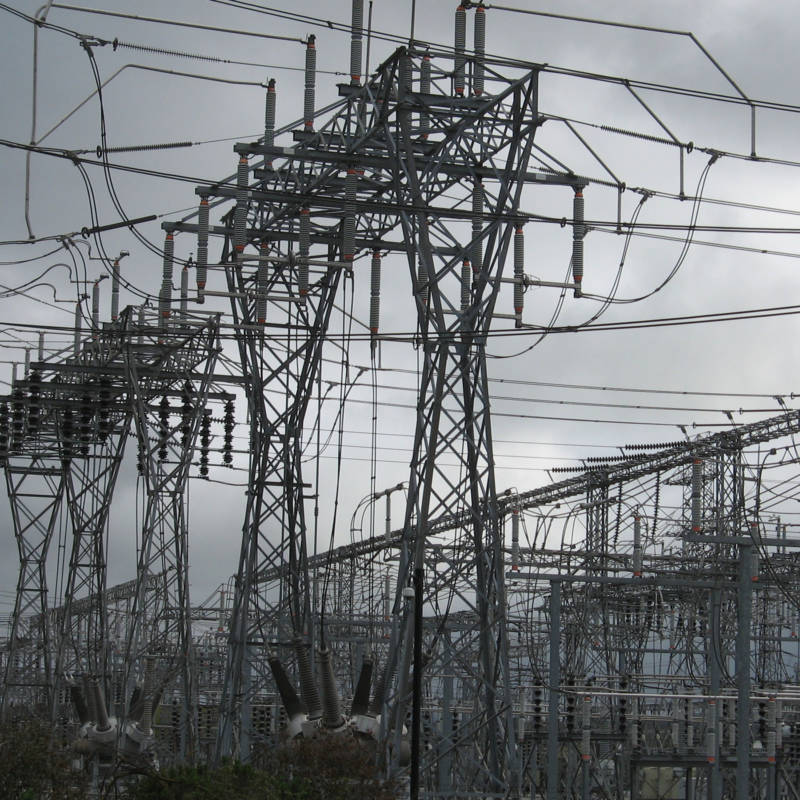
Power Substation in San Jose, CA (Photo: Craig Miller)
If you’re ready for some good news on the climate front: California’s carbon emissions from power generation dropped in 2009 and 2010.
That’s according to a new analysis from Thomson Reuters’ Point Carbon that looked at power generated here in California, as well as electricity imported from out of state.
According to the report (available by subscription only), emissions were down 12% over the study period. Part of the drop, not surprisingly, was due the global recession and the state’s slowed economy in 2009. But the study found that even when the economy started growing again, emissions continued to decline.
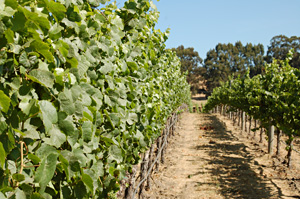
Temperatures are rising for Napa Valley grapes. (Photo: KQED Quest.)
California’s prime wine producing areas could shrink dramatically over the next three decades of climate change. That’s according to a study released this week by scientists at Stanford University.
Author Noah Diffenbaugh and colleagues looked at how Napa and Santa Barbara counties could be affected by a one-degree Celsius (1.8 degrees Fahrenheit) rise in average global temperature. They found that the land suitable for growing premium wine grapes could be reduced 30-50% by 2040. Continue reading The Heat is On for Napa Valley Wines→
When cities add light rail and cut bus service, are they “robbing Peter to pay Paul?”
By Alex Schmidt
It really is true that decent public transport to Angelenos is like the Holy Grail to Indiana Jones — especially on L.A.’s Westside. Looking a bit more deeply into transportation in L.A. makes you check certain assumptions that you may have grown up with. There are, after all, over one million people who ride public transport here every day, and most of that takes place on buses.
Now, and when bus cuts were previously threatened L.A. (notably when the Red and Gold lines opened on the east side of town), Metro has been accused of racism. In fact, in 1996, the NAACP and Bus Rider’s Union sued the MTA in federal court and won a consent decree to expand the bus system every year for 10 years. Now that the consent decree has ended, bus lines have been cut regularly. And once again, the Bus Rider’s Union has filed a complaint with the FTA’s Office of Civil Rights. Such investigations take many months, and sometimes as long as a year, so it’s not likely that it will halt the cuts this time around. Continue reading L.A.’s Holy Grail: Transit that Works for Most→
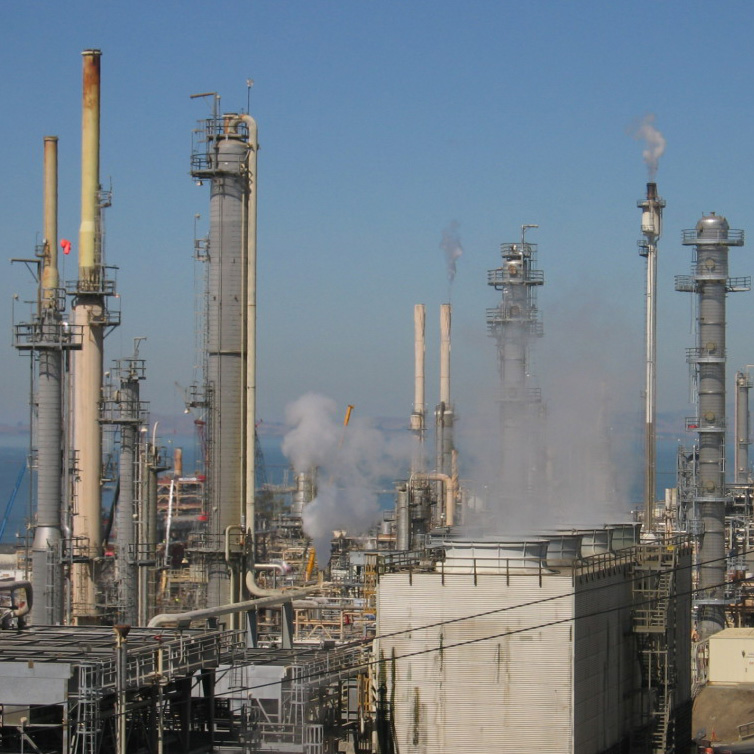
California power plants and refineries will likely have an extra year to comply with the state’s proposed cap & trade program, according to Mary Nichols, head of the California Air Resources Board.
In testimony to the Senate Select Committee on the Environment, the Economy, and Climate Change on Wednesday, Nichols said that the program would still begin in 2012 as planned, but that polluters would not be held accountable during that year. The extra slack would give participants and regulators time to “test” the program, she said. Continue reading CA Cap and Trade Compliance Delayed→
Caroline Farrell of the Center on Race, Poverty and the Environment, one of organizations involved in the suit, said she was disappointed by the decision, handed down late Friday. Continue reading California Moves Ahead With Cap and Trade→
Big wind and solar buildouts spur a “bio-boom” in the California desert
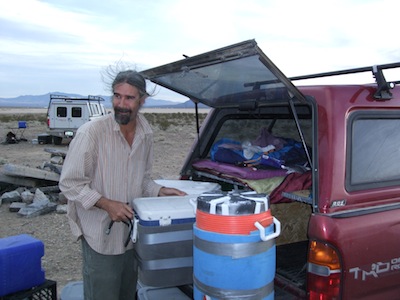
Field biologists like Mike Sally live a windblown, nomadic lifestyle, surveying sites for renewable energy projects. (Photo: Sarah McBride)
By Sarah McBride
I’ve reported on bubbles in plenty of stocks and commodities, but my springtime visit to the Ivanpah Valley was the first I’d heard anyone talk about a bubble in field biologists. The guy who used those words, Alex Mach, is a field biologist himself — and he was only half kidding.
Mach is one of dozens of field biologists who are out in the desert working to protect threatened animals and plants from solar and wind development projects. They’ve tapped into the rich vein of desert tortoises, whose habitats coincide with many of the areas scientists say are best positioned for solar plants — including Mach’s worksite at the time, BrightSource Energy’s solar plant in Ivanpah Valley, near the California-Nevada border. Continue reading Boom Times for Field Biologists→
Study shows most western cities aren’t wasting as much water
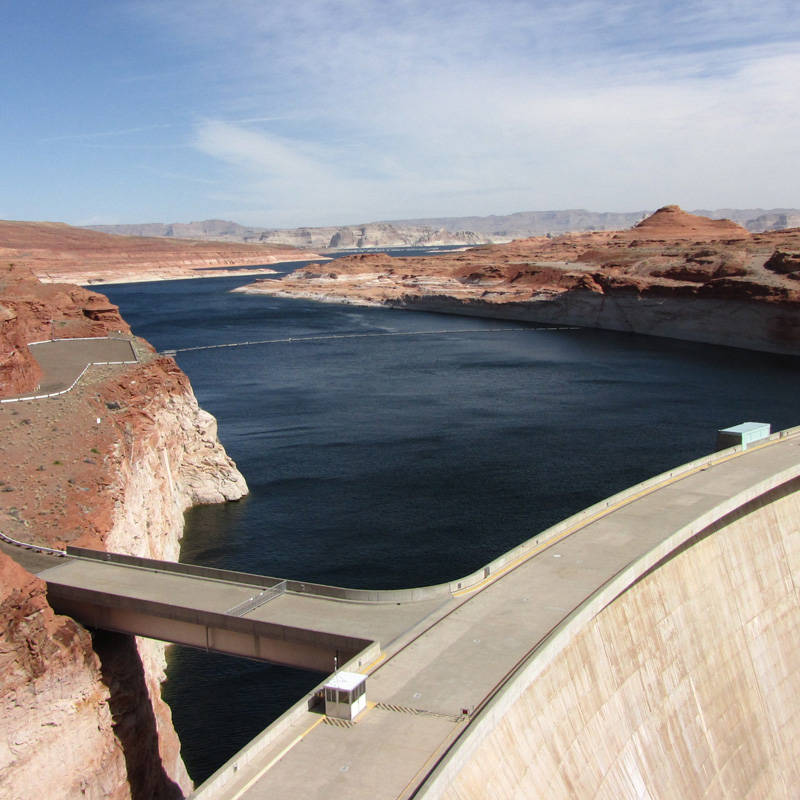
Lake Powell, the Colorado River’s second-largest reservoir, in April 2010 (Photo: Gretchen Weber)
There’s some good news for the 35 million people in the Western United States who rely on the Colorado River for their water, says a new study from the Oakland-based Pacific Institute.
No, the supply isn’t increasing. And yes, the population is still growing.
But according to the paper, entitled Municipal Deliveries of Colorado River Basin Water, more efficient water use by water agencies across the West is making the supply/demand gap a lot less painful than it could be.
“Although population growth has increased very quickly, the amount of water delivered has not kept pace,” said study author Michael Cohen. “That shows that people have been getting much more efficient with their use of water.” Continue reading Water Efficiency May Ease Colorado River Woes→
Survey shows confidence in existing plants but little enthusiasm for new ones
A fresh poll from the Field Research Corporation shows statewide support for nuclear power plummeting.
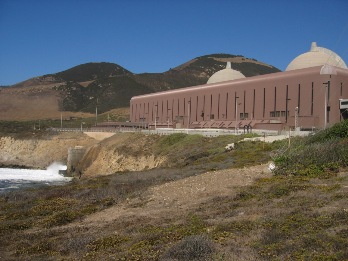
PG&E's Diablo Canyon Nuclear Power Plant, near Avila Beach. (Photo: Craig Miller)
The survey, taken earlier this month, shows that support for expanding nuclear power in California has dropped to 38%, from 48% last year, when only 44% opposed the idea. In the newest poll, 58% surveyed said they did not agree that more nuclear power plants should be built in the state.
Field analysts say the numbers are a clear reflection of the shift in sentiment worldwide, since the Fukushima nuclear crisis in Japan, a tense series of events that have remained front page news since March 11. Since then, Germany, Switzerland and Italy have all decided to scrap their nuclear energy programs. Continue reading Californians: No Thanks to New Nukes→
Immediate impact of greenhouse gas ruling on California seems minimal
The states' lawsuit was aimed originally at coal-fired power plants.
The silence is deafening since the US Supreme Court ruled this week that states can’t take utilities to court over greenhouse gas (GHG) emissions on their own.
NPR’s reporting of the decision calls it “the court’s most important environmental ruling in years.”
But here in California, I’m seeing mainly tepid reaction from officials — and without the usual cavalcade of releases from industry and environmental groups, applauding or condemning. In response to an email inquiry I made after the ruling came out, Mary Nichols, chair of the California Air Resources Board, replied that the ruling:
“…re-affirms that EPA has the authority and responsibility to regulate greenhouse gas pollution in order to protect the public health and welfare from the urgent threat of climate change. The careful, deliberate approaches developed under the Clean Air Act – including California’s Clean Cars rule – provide a more reasonable and feasible alternative to the uncertainty of court-imposed limits on carbon pollution.”
California was one of six states involved in the case, which dates back to 2004. But that was before the EPA had taken definitive steps to assert its own regulation of greenhouse gases (a role upheld by the Supreme Court in 2007).
Air Board spokesman Stanley Young explained that California’s participation in the suit was “an effort by California to get some kind of national action on the climate front. Now that EPA is fully engaged, that kind of judicial action is no longer necessary.”
Just how “fully engaged” the Environmental Protection Agency is remains a matter of some debate. The federal agency recently postponed release of a draft rule on GHG emissions from power plants.
Changing climate threatens web of life along California’s coast
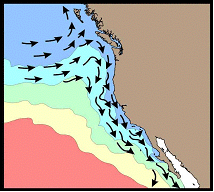
The California Current is a conveyor belt for cold water from the north Pacific.
It’s the reason that wetsuits are such big sellers in California. The river of ocean water known as the California Current barges in off the Aleutians, and as it rolls southward along the West Coast, makes for more than bone-chilling body surfing. It supports a robust stew of sea life.
But as Mike Lee reports for The San Diego Union-Tribune, it’s warming up. And that has researchers at the Scripps Institution of Oceanography concerned about future biodiversity off the California coast. Scientists say shellfish are already under attack from acid levels elevated when the ocean is forced to absorb more carbon dioxide from the atmosphere. Continue reading Ocean Changes Cause Consternation→