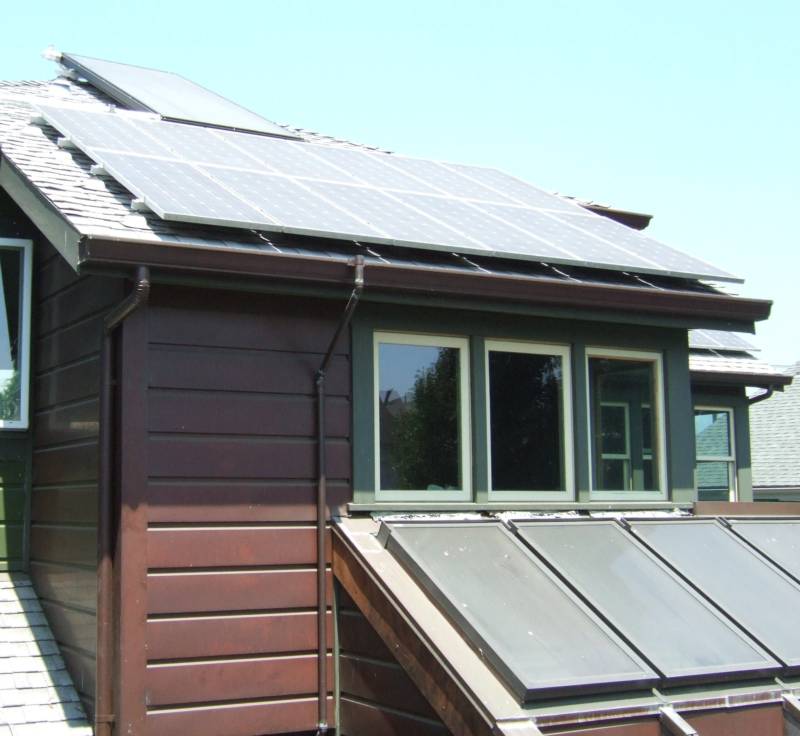
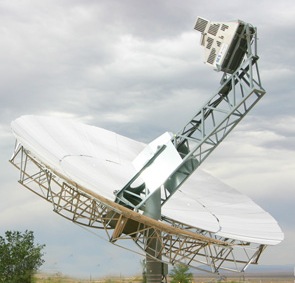
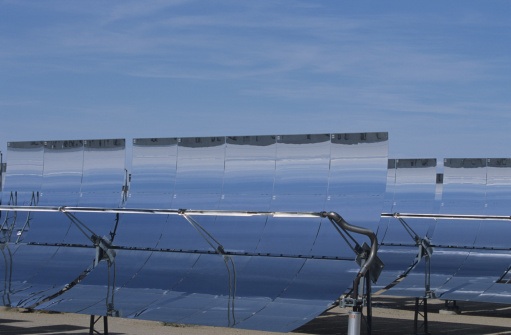
 The federal government is recommending 24 areas in six Southwestern US states it says are “best-suited” for large-scale solar projects, both economically and environmentally. Four of these “Solar Energy Zones” are in California: two in San Bernadino County and one each in Imperial and Riverside Counties, and together they account for nearly half of the nearly 700,000 acres recommended by the Obama Adminstration.
“These are areas in those states which have been determined to have the highest solar potential and the fewest amount of environmental and resource conflicts,” said Interior Secretary Ken Salazar on a conference call with reporters Thursday.
He said that because the recommended areas are likely to have fewer delays related to environmental issues, projects sited there are likely to have a faster permitting process. The report and its recommendations, he said, will help speed up the implementation of renewable energy projects around the Southwest. (!–more–>
“It presents a common sense and flexible framework from which to grow our nation’s renewable energy economy,” he said.
While representatives from environmental groups such as the Wilderness Society, the Nature Conservancy, and the Center for Biological Diversity applauded the federal government for planning ahead for efforts to make the siting of solar projects more efficient, some voiced concerns about the specific sites named as Solar Energy Zones.
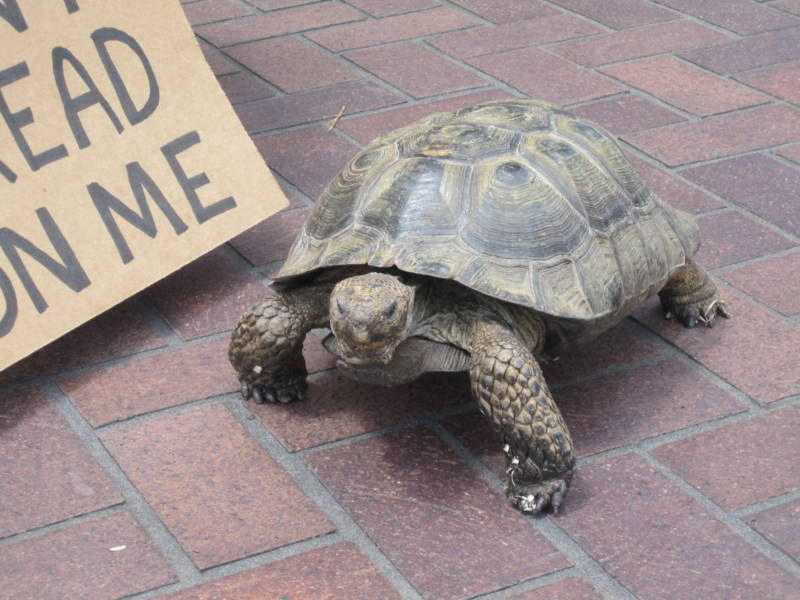
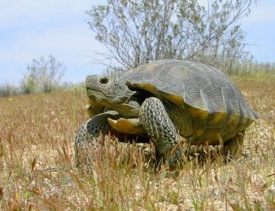
Ilene Anderson of the Center for Biological Diversity expressed concern that one of the areas designated in California, a swath of more than 200,000 acres called Riverside East, contains habitat of the endangered desert tortoise. Another zone she finds problematic is the Iron Mountain Zone, which Anderson says is too far from population centers, meaning that projects there could require the construction of additional transmission infrastructure.
Beyond the specific areas, however, Anderson said what concerns her to most is that the federal strategy leaves open the possibility for solar projects in sites outside the designated zones.
“My concern is that they’re still going to be entertaining applications anywhere on public lands, and that gets us back to the problem that we’re currently seeing which is these renewable energy projects spread willy-nilly across the desert,” she said.
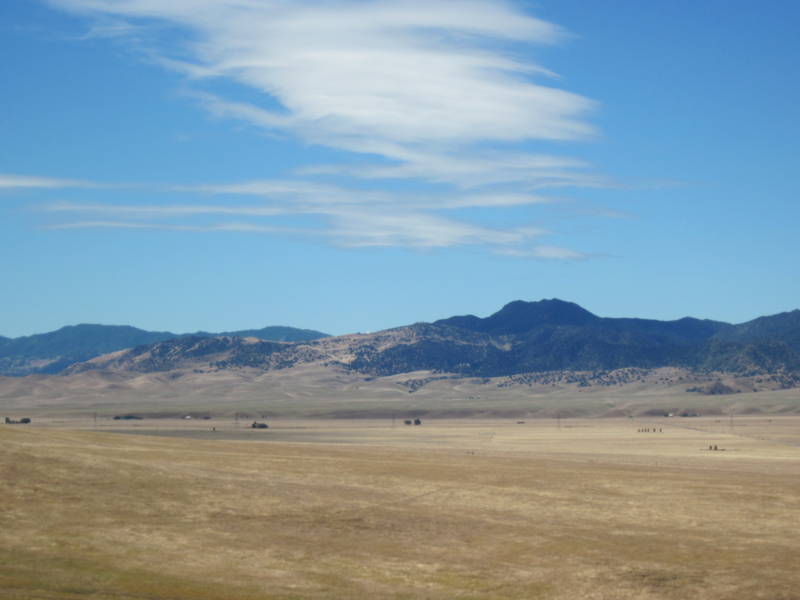
You can see what the recommended sites actually look like with this interactive map that identifies the Solar Energy Zones and provides on-the-ground panoramic views of the sites.