
All posts by Gretchen Weber

Brown Praises Tougher Federal Fuel Standards

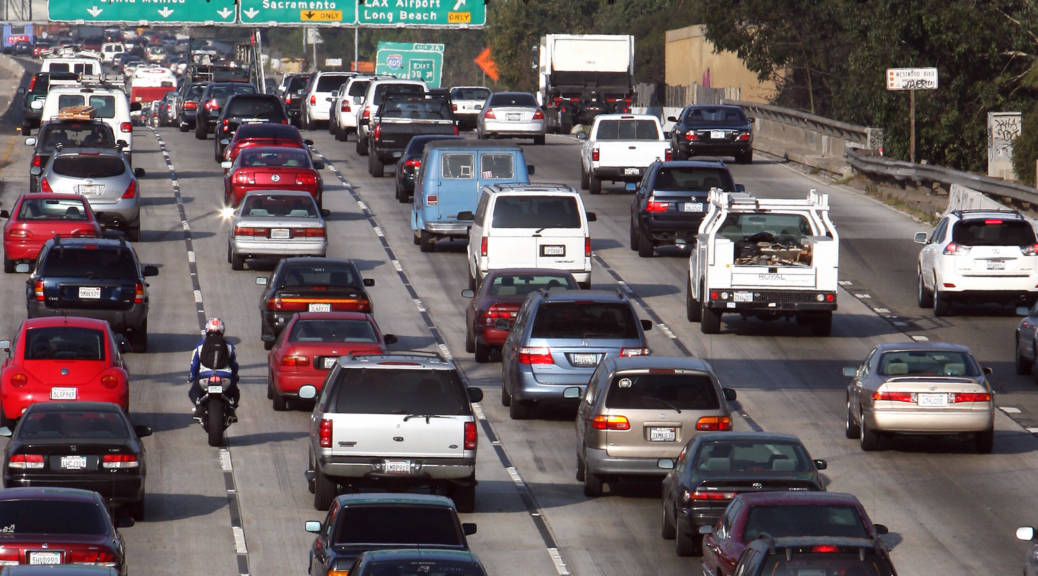
Fifteen years from now, the average car in the United States must get nearly 55 miles to the gallon,  according to new fuel-efficiency standards proposed Friday by the Obama Administration.  That’s a sharp increase from the current requirement that vehicles average 34.5 miles per gallon by 2016.

California officials, environmental groups, and automakers are praising the new rules, which would require  a fleet-wide average for cars and light trucks of 54.5 miles per gallon by 2025.

On a call with reporters today, Governor Jerry Brown called the new regulations, “probably the brightest light I’ve seen in Washington in many a month, if not years.” Continue reading Brown Praises Tougher Federal Fuel Standards
Support for Climate Policy High in California


Three-quarters of Californians believe climate change is a serious threat to the state’s economy. And a majority thinks we need to act now to reduce emissions, rather than wait until the economy improves. These are among the findings of a new survey by the Public Policy Institute of California

“Californians really believe that in our state there’s an opportunity to have a better environment and a better economy through addressing climate change,” concludes Mark Baldassare, who directed the survey and says Californians believe — by a two-to-one margin — that climate change policies, like requiring more renewable energy, will create jobs.

The survey also finds overwhelming bipartisan support for requirements mandating more fuel efficient cars (81%), “greener” buildings and appliances (74%), requiring utilities to increase renewable energy sources (82%), and for requiring industry to reduce emissions (82%). Continue reading Support for Climate Policy High in California

California Cities Confront Water Challenges

Scientists and planners expect the Bay Area to face a host of water-related threats in the coming decades due to climate change, including flooding due to rising seas and summer water shortages due to warmer temperatures and a shrinking Sierra snowpack.

A new analysis released Tuesday from the non-profit Natural Resources Defense Council catalogs these threats, for San Francisco, and for 11 other American cities, including Los Angeles. The study also looks at how prepared the cities are to adapt to these climate challenges. It finds, in general, that San Francisco is leading the way when it comes to being prepared. Continue reading California Cities Confront Water Challenges

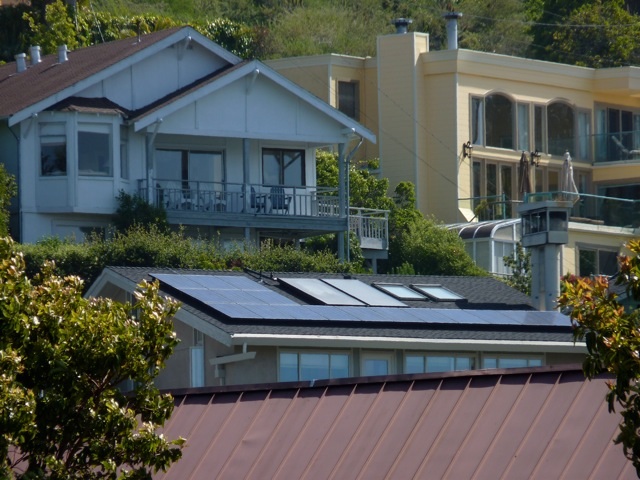
Roofing It: Brown Stumps for Distributed Solar

Governor Brown moves forward with plans to encourage more local solar generation in the state.

California has been on something of a solar frenzy recently, approving permits for more than 4,000 megawatts of new solar power in 2010 alone. Most of that is in the form of large, industrial-scale installations, which will provide lots of power, but also will require transmission infrastructure to get the clean energy from the desert sun to where its needed, primarily, the coastal cities.

This week Governor Jerry Brown is focusing on the other kind of renewable energy: the local kind that is smaller in scale and doesn’t require transmission to get where it’s needed. Continue reading Roofing It: Brown Stumps for Distributed Solar

What’s Up With This Weather?

While most of the nation bakes, California keeps its cool–and not just along the coast

Climate scientist Phil Duffy and meteorologist Jan Null joined Michael Krasny on KQED’s Forum to discuss California’s cooler-than-usual summer and what it might reveal about climate change in the region. The upshot? We don’t really know.

“I think we’re seeing plain old climate variability,” said Duffy, who is a visiting scholar at Stanford and the Carnegie Institution for Science and chief scientist for Climate Central, a Climate Watch content partner.

Null agreed with Duffy, saying that in any given year, “stuff happens,” which can’t necessarily be attributed to a larger trend.

“It’s hard to take an individual year and say ‘This is the result of climate change’,” said Null. “It could be just the roll of the dice. If we see a lot of stuff happening over the next decades, then we’re talking about climate change.”

Null said this summer’s cool weather is due to a persistent trough of low pressure along the west coast.

“Anytime you have that for an extended period of time, you get what people call ‘unusual’ or ‘freakish’ weather,” he said. Continue reading What’s Up With This Weather?

Cutting Emissions…With Car Insurance?

The “Pay As You Drive” approach to auto coverage could save some drivers money–and cut lots of CO2, studies say.

Most car insurance is priced in the United States kind of like an all-you-can-eat salad bar, says Justin Horner, a transportation analyst at the Natural Resources Defense Council. You pay a set amount once or twice a year, and then you can eat one little salad, or you can totally chow down, making several trips back for more food, piles of cole slaw and jello threatening to topple from your over-filled plate. Either way, it makes no difference to your wallet.

And, of course, regardless of hunger level, it can be kind of tempting to go back again and again, just because you can.

On the other hand, if you get your salad at one of those pay-by-weight places, you’re likely to be a lot more discriminating about what’s on your plate. That’s how we buy gas, says Horner.

Continue reading Cutting Emissions…With Car Insurance?

Two-Year Drop in California Carbon Emissions

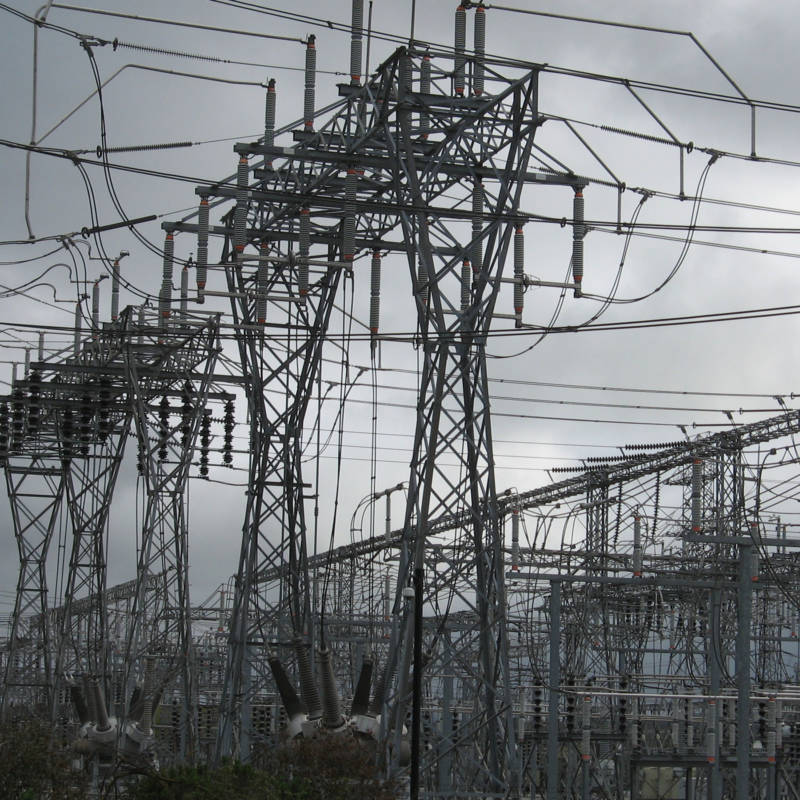
Power Substation in San Jose, CA (Photo: Craig Miller)

If you’re ready for some good news on the climate front: California’s carbon emissions from power generation dropped in 2009 and 2010.

That’s according to a new analysis from Thomson Reuters’ Point Carbon that looked at power generated here in California, as well as electricity imported from out of state.

According to the report (available by subscription only), emissions were down 12% over the study period. Part of the drop, not surprisingly, was due the global recession and the state’s slowed economy in 2009. But the study found that even when the economy started growing again, emissions continued to decline.

Sound mysterious? Not really, according to study co-author Ashley Lawson. Continue reading Two-Year Drop in California Carbon Emissions

CA Cap and Trade Compliance Delayed

California power plants and refineries will likely have an extra year to comply with the state’s proposed cap & trade program, according to Mary Nichols, head of the California Air Resources Board.

In testimony to the Senate Select Committee on the Environment, the Economy, and Climate Change on Wednesday, Nichols said that the program would still begin in 2012 as planned, but that polluters would not be held accountable during that year. The extra slack would give participants and regulators time to “test” the program, she said. Continue reading CA Cap and Trade Compliance Delayed

California Moves Ahead With Cap and Trade

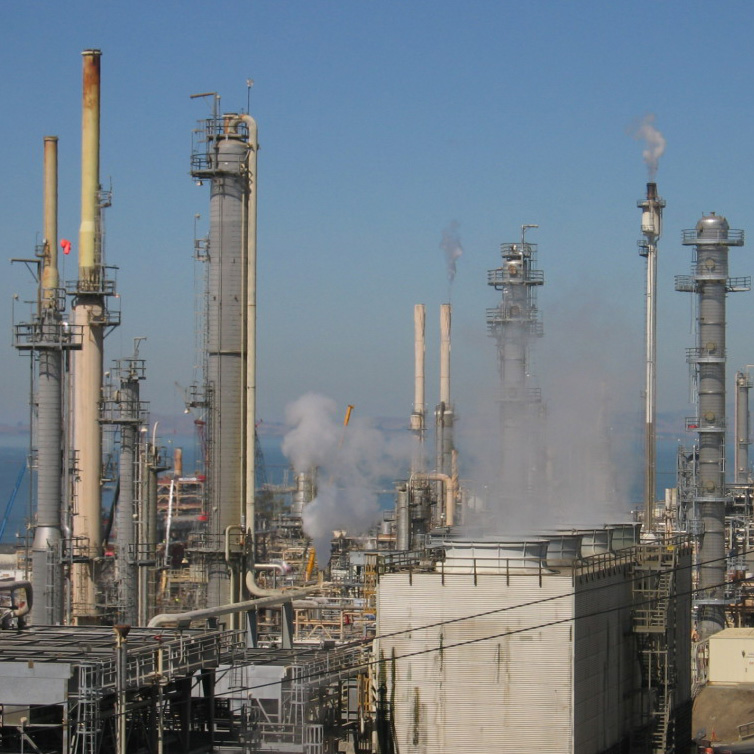
Conoco Phillips power plant in Rodea, CA (Photo: Craig Miller)

California has the legal right to move ahead with preparations for cap and trade after all, according to an appellate court decision.  An earlier ruling had required regulators to halt work pending further review, after environmental justice groups brought suit against the Air Resources Board (ARB) over its plans for carbon trading.

Caroline Farrell of the Center on Race, Poverty and the Environment, one of organizations involved in the suit, said she was disappointed by the decision, handed down late Friday. Continue reading California Moves Ahead With Cap and Trade

Water Efficiency May Ease Colorado River Woes

Study shows most western cities aren’t wasting as much water

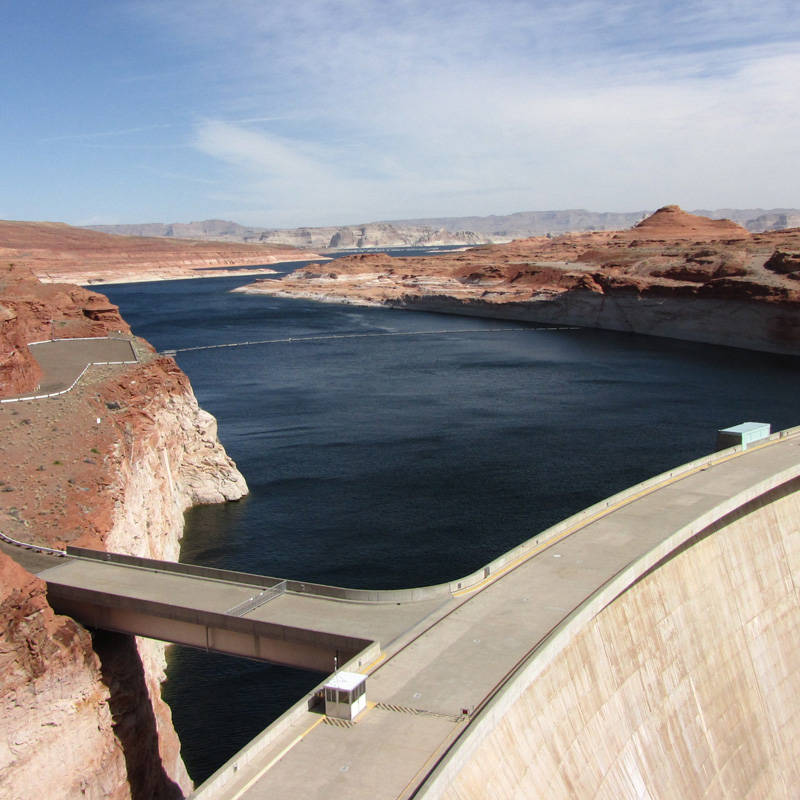
Lake Powell, the Colorado River’s second-largest reservoir, in April 2010 (Photo: Gretchen Weber)

There’s some good news for the 35 million people in the Western United States who rely on the Colorado River for their water, says a new study from the Oakland-based Pacific Institute.

No, the supply isn’t increasing.  And yes, the population is still growing.

But according to the paper, entitled Municipal Deliveries of Colorado River Basin Water, more efficient water use by water agencies across the West is making the supply/demand gap a lot less painful than it could be.

“Although population growth has increased very quickly, the amount of water delivered has not kept pace,” said study author Michael Cohen. “That shows that people have been getting much more efficient with their use of water.” Continue reading Water Efficiency May Ease Colorado River Woes