Coolest Exotic Plants: Guide to the Bay’s Beautiful Botanic Gardens

Updated: June 1, 2014

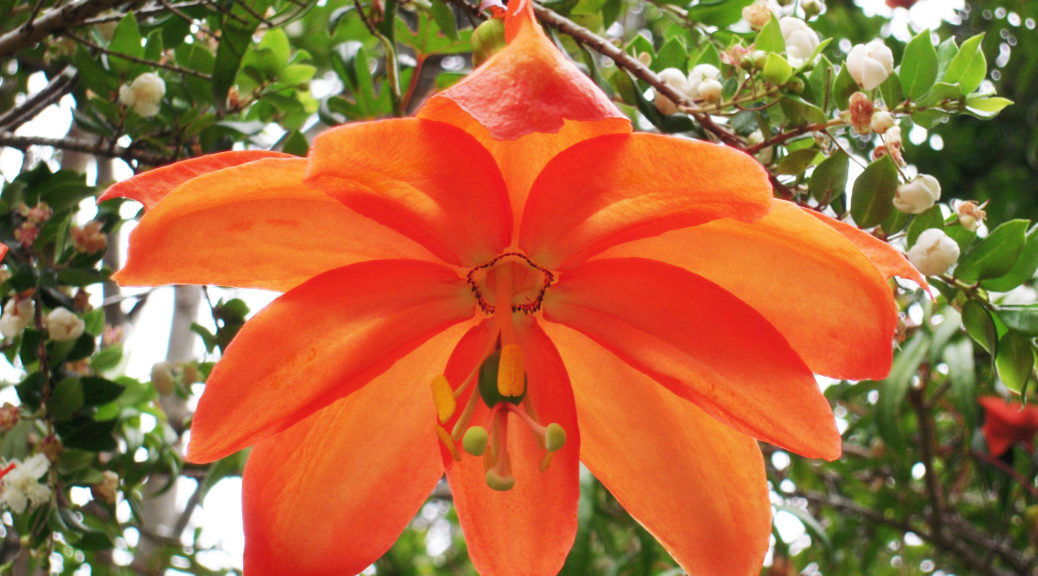
Passionflower

Looking for a local outdoor adventure that doesn’t require much prep? Check out one of the many fantastic gardens in the area, many of which have rare and endangered plants. Enjoy the summer sunshine and boost your botany IQ in one fell swoop.

FILOLI

Flickr:Quiltsalad

Back in 1915, Mr. and Mrs. William Bowers Bourn began construction on Filoli, and today both the opulent house and its magnificent gardens are open to the public. Check out the Plane Tree Allée, which features London plane trees that have been pruned to be uniform, as in a classic English garden; the magnolia and camellia collections (the latter includes about 150 different varieties, of which about 50 are only found in private collections); the New Zealand Black Beech tree, which first arrived in the U.S. as part of the PanPacific Exposition in 1915 and is the oldest outside of New Zealand; and the red and white amaryllis that flower during the summer. And don’t miss the orchards! Tree fans will particularly appreciate the Camperdown elms at the estate. Many Camperdowns are vulnerable to Dutch elm disease, but those at Filoli, like the one down by the swimming pool that is among the largest and oldest in the country, has survived because it’s isolated from other elms. See what’s blooming on Filoli’s calendar. $18/person, children under 4 free.

THE ELIZABETH GAMBLE GARDEN

Flickr: Silvain LeProvost

Head south to Palo Alto to visit the Elizabeth Gamble Garden, where you’ll find more traditional formal gardens as well as “working beds” – a terrific place to see summer flowers like foxgloves, zinnias, and massive dahlias (the size of plates!) in full bloom. In the Woodland Garden, you’ll find the shade created by the magnolia trees and maples brightened by white, purple and pink hydrangeas. The Elizabeth Gamble Garden also hosts great special events like plant walks, lunches and dinners in the lovely house on the property, flower arranging courses, puppet shows and even a Grandparents’ Day Spaghetti Dinner. Free admission, though special events often require a reservation and a fee.

UNIVERSITY OF CALIFORNIA BOTANICAL GARDEN AT BERKELEY

Melanie Hofmann

The collections at the UC Botanical Garden at Berkeley, focus on plants from Mediterranean climates around the world — not just those from the Mediterranean Basin but from Australia, South Africa, Chile and California as well. With nearly 10,000 species represented, the UC Botanical Garden at Berkeley has particularly robust collections from the cactus, lily, heath, sunflower and orchid families. If you’re looking for examples of rare and unusual plants, however, you might want to keep an eye out for cycads, primitive plants whose origins date back over 200 million years but have been on the decline in the past few hundred years. Near the entrance plaza you’ll see one particular cycad species, Encephalartos laevifolius, which is critically endangered in the wild in its native South Africa. In the Mexican and Central American area of the garden, you’ll see another example of Deppea splendens, which specialists believe has been extinct in the wild since 1986. It blooms with dangling clusters of yellow flowers during the summer. If you venture into the Tropical House, keep a lookout for the surreal looking Amorphophallus titanum, otherwise known as the corpse flower, which is from Sumatra, is one of the largest flowering structures in the world, and stinks to high heaven during the first 12 hours after it opens. It will bloom again in 2013 (keep an eye on the web site if you want to catch it), but in the meantime, even its leaves are worth a visit: a single leaf is over six feet tall. $10/person, children under 5 free.

SAN FRANCISCO BOTANICAL GARDEN

San Francisco Botanical Garden

Located in the heart of Golden Gate Park, the San Francisco Botanical Garden is planted with more than 8,000 plants from around the world, including those rare and endangered plants that are the objects of conservation. Check the site to see what’s in bloom, and don’t miss the “cloud forests” – gardens that have the same conditions as rainforests at high elevations in Mexico, the Andes, and Southeast Asia. There you’ll find some of the garden’s most treasured plants, like the golden fuchsia (Deppea splendens) from Mexico and a type of passion flower called Passiflora parritae native to Andean cloud forests. San Francisco Botanical Garden is in fact one of the only outdoor gardens in the world that can grow these species, largely thanks to Bay Area fog mimicking high altitude cloud cover. Free admission.

THE RUTH BANCROFT GARDEN

In 1971, the last bits of the Bancroft family’s walnut orchard were cut down, and Ruth Bancroft took it upon herself to create a world-class garden of water-conserving plants in its place. Today the Ruth Bancroft Garden is home to hundreds of succulents and trees that don’t need much water, such as flowering aloe plants like Gasteria polita, which has cascades of tubular flowers; the propeller plant (Crassula falcate ), a native of South African with red blooms; Parodia warasii,  a native cactus from South America that is spherical in shape and bears clusters of lemon-yellow flowers that perch at the very top of the plant; and a 25-year-old Agave colimana plant, the likes of which are rarely found cultivated in gardens. The Ruth Bancroft Garden has all sorts of events should you need a special incentive to visit: pruning classes, yoga in the garden, and summer plant sales, just to name a few. $10/person, children under 12 free. Free entry on the first Tuesday of every month.

HAKONE

Flickr: Thomas Pix

Fans of Japanese gardening should not miss Hakone in the hills of Saratoga, established in 1917, listed by the National Trust for Historic Preservation, and reportedly the oldest Asian-style estates and gardens in the Western hemisphere. Hakone’s lineage is impressive: the property is a replica a Japanese estate garden, and it was designed by one of the descendents of the families of gardeners that tended to the imperial gardens. Explore Hakone’s Hill and Pond Garden, where the sound of water accents the carefully designed aesthetics, the mossy tea garden, which is traditionally used as a serene place to purify one’s hands before a tea ceremony, and the Bamboo Garden, which is cared for by the Bamboo Society and includes specimens from around the world. $8/person, free for children under 4

– By Meghan Laslocky
 

Seven Quiet Spots to Read Outdoors

Updated: June 2, 2014

Flickr: Brit Selvitelle

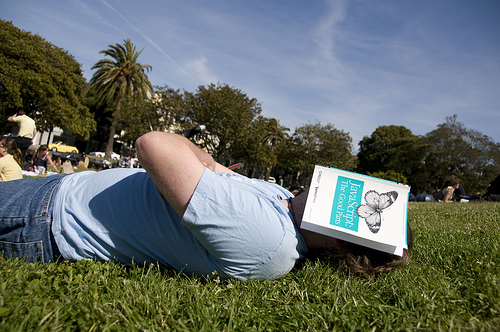
One of the best parts of summer are the moments when you don’t have to be anywhere or do anything and you have a really fantastic book to sink into, or a deliciously long magazine article, and a pair of sunglasses and the sun is shining.

If you don’t have a backyard, it can be hard to find the perfect spot to stretch out and immerse yourself in a story without a barista glaring at you while you sit for three hours on the patio, nursing one tea. So whether you’re looking for a great sunny spot for a read on the weekend, or if you’re at work and looking for an outdoor break, check out these spots. Warning: The views can be distracting, but a little daydreaming doesn’t hurt.

Flickr: rick

1. ROOF OF SAN FRANCISCO ART INSTITUTE, NORTH BEACH 

This little-known spot is a refuge from the crowds in North Beach and Lombard Street in the summers. The building itself is generally open to the public and you can check out the galleries and the adorable fountain in the entrance. But the real secret spot is the roof, which looks out over the Bay. The friendly security guards won’t bother you at all and there are bathrooms!

2. MCKINLEY SQUARE PARK

If you’re looking for a park with a view in San Francisco, but don’t want to be bothered by a nearby party, head to McKinley Square, at the top of Potrero Hill off 20th and Vermont. Here you can bring a blanket and, if it isn’t too windy, lay with your book in the sun for hours, pretty much alone except for a few locals walking their dogs (the lawn is an off-leash dog area, but there are very few dogs around). When you’re done reading, check out the nearby community garden, then walk down Vermont, the genuine most crooked street in San Francisco.

3. BENCHES OVERLOOKING CHINA BASIN

China Basin is best known as the home of the San Francisco Giants, but when the team’s not playing, it’s an area that deserves exploration. Start in Dogpatch and ride your bike along Terry A. Francois Boulevard until you find the perfect view of piers and ships and the right picnic table or bench to watch it from, when you need a break from your book. While it’s rapidly changing, there’s still something a little other-worldly about this once industrial part of town.

4. JACK LONDON SQUARE DOCKS

Sometimes the quiet place can be as small as a bench surrounded by other people. The Jack London Square docks are a good place to become immersed in your own silent moment while the hustle and bustle of traffic goes on around you.

Flickr: jdnx

5. STERN GROVE 

If you’re searching for a quiet place with trees and solitude, try Stern Grove in the outer Sunset (during the week when no concerts are happening). Bring your book and a blanket and pretend like you are a woodland fairy for the afternoon.

6. CRISSY FIELD 

Crissy Field can be a little bit hectic on a sunny weekend day with all the beach-goers. It can also be windy. That said, it has a wonderful view and plenty of places to spread out a blanket (maybe bring another one to wrap yourself up in) and while away an afternoon. One excellent bonus: great people watching when you finish your book!

7. BERKELEY ROSE GARDEN 

The nice thing about the Berkeley Rose Garden is that no supplies are needed for maximum enjoyment and relaxation. No blankets, no chairs — just bring yourself and your book and you will find benches and steps to sit on and roses all around you to smell. It’s not hard to find a nice secluded spot and if you’re lucky (or unlucky, depending on your attitude about such things) you might run into a wedding.


– By Lizzy Acker


Secrets to Scoring Last-Minute Campsites

Updated: June 2, 2014

David Woo

Not everyone is a planner. Not everyone, while bundled in January fleece and dodging rain puddles, can imagine ahead to balmy summer months and envision pitching tents under the stars and building bonfires for s’mores. So camping in California can be a little unforgiving for those of us who like to fly, if just a little, by the seat of our pants; who get inspired mid-week on a sunny day and want to go camping NOW. Luckily, if you forgot to book through recreation.gov or reserveamerica.com last winter, you can still find great camping – last minute – this summer. Here’s how.

NATIONAL AND STATE PARKS.

Unless you are very, very lucky, there is no such thing as last-minute summer camping here.  The big national and state parks (like Yosemite, Big Sur, etc.) and popular campgrounds can vanish within hours after the reservation windows open (most parks open up availability for campsite reservations six months out, so if you want a spot in June, you should get online in December).  However, if you absolutely must go to a national or state park, then try these tricks.

  • Walk-in

Some parks reserve a certain number of campsites for “walk-ins.” These sites operate on a first-come, first-served basis. If you arrive to find all the sites are taken (which is very likely as some people from the reserved camps extend their visit by moving here), your best option is to stalk a site like prey: Go a day early and ask campers when they’re leaving. Then you can hotel/motel it your first night and be waiting at the walk-in sites at 8 a.m. when campers start packing up.  You could also rough it with a wilderness permit for a couple of nights until your luck comes for a walk-in, but this could add stress to what shouldn’t be stressful. (PS: If you’re up for this kind of adventure, the National Park Service has published a handy list of non-reservation sites in Yosemite.)

  • Watch the weather

Another trick for popular parks is to watch the weather.  Mt. Lassen, Shasta, and the High Sierras (including Yosemite, Kings Canyon, and Sequoia) are subject to closures when the temperatures go below freezing, forcing the roads to close (most due to falling rocks, not the snow) for winter. While the parks post predictions, they could be off, which might leave vast openings for reservations late in the season when the Sierra passes would typically be closed.

  • Visit less popular national and state parks.

This option is much less stressful than the two above. Forget Yosemite. Just put it out of your mind. Make your natural spontaneity (a.k.a. lack of planning) an opportunity to explore less popular parks, such as Mt. Lassen, Calaveras Big Trees, Humboldt Redwoods, etc.).

MUNICIPALITIES

David Woo

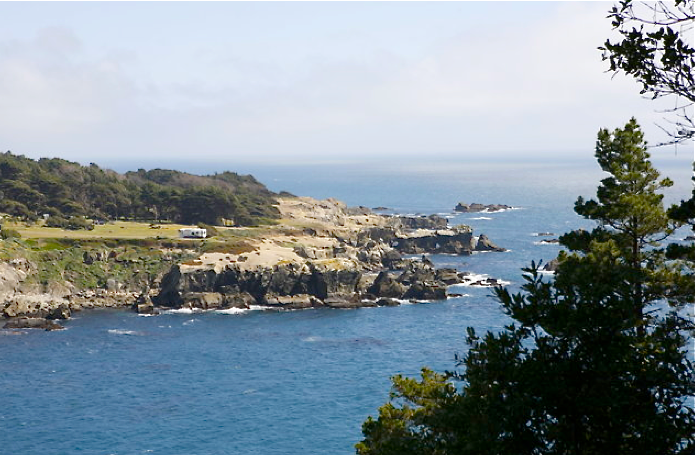
On the stretch of coast between Big Sur and Mendocino, finding camp spots is tough during summer months. The only trick here is to hit campgrounds that aren’t part of the state or national park system. There are numerous small campgrounds managed by the municipalities (reservations can be made online or by calling them directly), and you never know what special treat you’ll find.  For example, venture out to Stillwater Cove Regional Park, which is a Sonoma County Park, and you can add abalone diving to your camping adventure.

For the Big Sur to Monterey coastline, head to Veterans Memorial Park just east of the downtown Monterey.  Most don’t know that it offers camping right in the middle of an urban area.  Might not sound all that beautiful but it’s located on a 50-acre park at the top of a hill overlooking Monterey Bay. While not a preferred campground, a Friday night here can have you in striking distance of Andrew Molera or Pfeiffer Big Sur State Parks for the 8 am stalking of the walk-ins. Alternatively, head inland to the Carmel Valley.  Some lovely campgrounds here just to hang out or to make day trips to the Monterey area.

NATIONAL FOREST SYSTEM

David Woo

The ultimate secret to great camping in Northern California during the summer is the National Forest System. Grab any National Forest Map (available online or at outdoor stores like REI or Big 5 Sporting Goods) and you can be guaranteed open campgrounds with lots of availability.  No reservations required. Keep the Sierra National Forest, Eldorado National Forest, and Inyo National Forest maps handy. These campgrounds, by the dozens, are typically smaller, off the main highways and offer fewer amenities but are no less beautiful than the popular parks.

One perfect example is Fresno Dome in the Sierra National Forest. The campground surrounds a lovely meadow that opens the forest to a spectacular view of Fresno Dome, which is no different than North Dome in Yosemite. Only the locals from Fresno come up and the lack of a water faucet keeps this little gem from filling up. The back side of the dome offers an easy class-three hike to the top, while the front of the dome offers 500 vertical feet of face climbing and sport routes.

Another favorite is Silver Fork Campground in Eldorado National Forest. You can arrive on a holiday weekend without reservations and find the campground far less than full. Situated between Route 50 and Route 88 on the way to Tahoe, the campground overlooks the Silver Fork River, a tributary of the American River.  With lots of backcountry hiking in the Sierras and a wonderful swimming hole to cool off in what is not to love about true solitude?

The National Forest campgrounds are monitored by fabulous campground hosts during the summer months who offer plenty of information and firewood for the all important evenings.

TIPS TO CONSIDER:

Timing could be everything. Go midweek. Or, better yet, wait until after Labor Day. Mid-September, after school is back in session, to mid-October is often the best time: weather is still nice and you avoid the summer congestion.

Think outside the state. Are you pining for the lovely Lake Tahoe? For Californians it’s easy to forget that half the lake is in Nevada, so all the typical California websites will miss the other side.  Nevada State Beach has the best beach on Lake Tahoe and is one of the longest (thus, not as crowded). The best part? You can walk from the beach right into the campground nestled in tall pines.  Sunset over Lake Tahoe is best in Nevada. It’s also close to South Lake Tahoe and the lovely Emerald Bay.

Try fire lookouts. Talk about room with a view. I won’t say any more other than you can reserve them through Reserve America. They just aren’t listed under camping.

Think off the road. Of course, the obvious characteristic of these wonderful off-road campgrounds is that they aren’t along a main highway. It takes more time to get to them, and a map sure comes in handy finding them. You don’t need a four-wheel drive to get there, but there won’t be a yellow line down the middle of the road. They also don’t offer as many amenities. And again, no access to water guarantees vacancy. But these might take just a little bit of planning. Maybe next year.

– By Deb Zambetti

All photos: David Woo

Party with your Parents: Where to Let Loose at Summer Festivals

Updated: June 2, 2014

Where there’s wine, there’s a way. Here are golden opportunities to loosen up and enjoy some wine with your parents. The live music is sure to get them dancing — and you certainly wouldn’t want to miss that.

SAN JOSE JAZZ SUMMER FEST 
Aug 8-10, 2014
Plaza de Cesar Chavez Park
San Jose Jazz brings international musicians, emerging artists and regional favorites to Silicon Valley to play jazz, blues, salsa, Latin, R&B and more at the San Jose Jazz Summer Fest. Proceeds go to bringing music to schools and supporting local musicians. Artists slated to appear in 2014 include: Bootsy Collins, Snarky Puppy, Pacific Mambo Orchestra, Pedrito Martinez, and the Otonowa Project.

LOS GATOS FIESTA DE ARTES
Aug 9-10, 2014
Los Gatos Town Civic Center, 100 E. Main St, Los Gatos
Nestled in the foothills of the Santa Cruz Mountains, this small town art fair offers local wines from Cabernet Sauvignon to Cypress Chardonnay. Live music and family-friendly entertainment are also available, including a jump house.

PALO ALTO FESTIVAL OF THE ARTS
Aug 23-24, 2014
University Avenue, Palo Alto
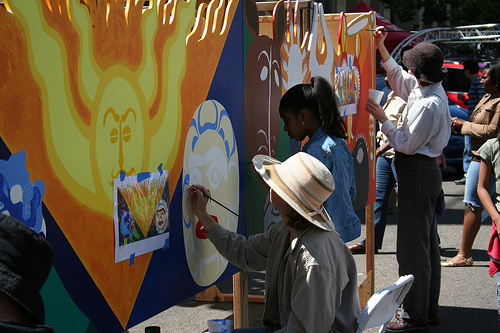
Attracting more 150,000 people from throughout California and the West Coast, the Palo Alto Festival of the Arts takes place on tree-lined University Avenue, offering entertainment, food, arts, and crowd favorite Italian Street Painting.

MILLBRAE ART AND WINE FESTIVAL
Aug 30-31, 2014
Broadway Avenue, Millbrae
The Millbrae Art and Wine Festival is a Mardi Gras-style festival welcomes you to the “Big Easy.” Live music, premium wines and 250 professional artists’ works to see.

– By Nicole Zeichick and Adrienne Blaine

The Most Inviting Outdoor Drinking Spots in the Bay

Updated: June 2, 2014

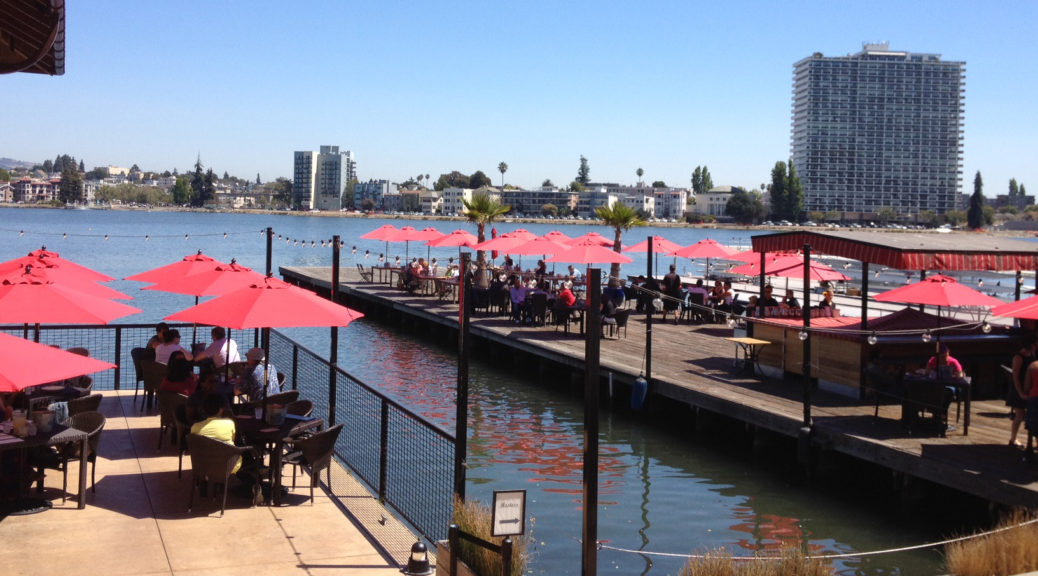
Lake Chalet in Oakland

In the South, swampy summer weather means Mint Juleps on the veranda. Here in the Bay Area, we enjoy our drinks outdoors as soon as we glimpse the sun’s intermittent rays. Want to sip a G&T while feeling the warm sun on your face? Here are some great places to go.

1. ZEITGEIST

Zeigeist falls under Outdoor Drinking in the Bay 101, the most well-known and oft-suggested place for an al fresco beverage. Want rows of picnic tables, burgers off a grill, pitchers of beer and the atmosphere of the Waffles-For-Dinner night at the cafeteria in your small liberal arts college in the woods? This is your place. Please note: if you are offended by any type of smoking, biker dudes, rubbing elbows with strangers or port-a-potties, I recommend moving on to the next place on the list.

Southern Pacific Brewing Company

2. SOUTHERN PACIFIC BREWING COMPANY

If you like the picnic tables, the pitchers and the burgers aspect of Zeitgeist, but also want to bring your babies and/or puppies along to chaperone while you drink, try Southern Pacific Brewing Company , also in the Mission (the best weather means the best bars with outdoor seating). Here you can get house-brewed beers for a reasonable price and one of the best burgers in the city while paying for the whole thing on your credit card (a rarity in this part of San Francisco)! The crowd here is a little older, calmer and better-dressed than the horde at Zeitgeist. However, the level of fun you will have is exactly the same.

3. JUPITER

A Berkeley perennial favorite, Jupiter is a sweet spot for sharing micro-brews with your friends out on a big patio. Besides the great food and the great beer, heat lamps keep you warm outside so you can drink in the fresh air even when the sun isn’t shining on full blast. And if you go on the right night? Live jazz!

4. LAKE CHALET

Enjoy your drink overlooking a body of water — and even literally out on a dock — at the Lake Chalet. While opinions on the food, service and prices wildly differ, even the most disenchanted Yelp reviewer can’t help but appreciate the view out over Lake Merritt from the renovated Municipal Boat House. Bonuses: affordable Happy Hour and GONDOLA RIDES on the lake! Call ahead to make a reservation.

5. THE TOURIST CLUB

Flickr: Michael Hickey

Pack some snacks and some cash for beer and hike through the redwoods in Mill Valley to the Tourist Club. Make sure you have a map and that it’s open (the hours are very particular for non-members) and carve out a good amount of time for the walk in, some good chill time with a beer in the sunshine and a board game (provided!) and the walk back. A hike, a beer and some greenery on your eyeballs will cure anything you might be suffering from. Repeat as necessary.

6. SONOMA PLAZA PARK 

Little known fact: You can drink alcohol legally in a public park — Sonoma Plaza Park, that is — after 11 a.m. until dark. Goes to show you don’t need to be a millionaire or even gainfully employed to enjoy some wine in wine country. Share a bottle of Two Buck Chuck and some crackers and cheese with your honey in the Sonoma Plaza Park. Watch people go in and out of the stores on the square while you make up stories about their lives.  All you need is a bottle, a bottle opener, a blanket and someone good to giggle with.

– By Lizzy Acker

It’s Showtime! Guide to Outdoor Movie Nights

Updated: June 13, 2014

Flickr: Mariko

From Sixteen Candles to Mission Impossible, dozens of films will be screened outdoors and on buildings across the Bay. Avoid your typical awkward date, cuddle up with that special someone and bring your own picnic (or maybe even your whole living room) — or just an extra sweater for a chilly cutie.

FILM NIGHT IN THE PARK
June 13 – September 27, 2014
Locations vary
8pm or dusk
Free

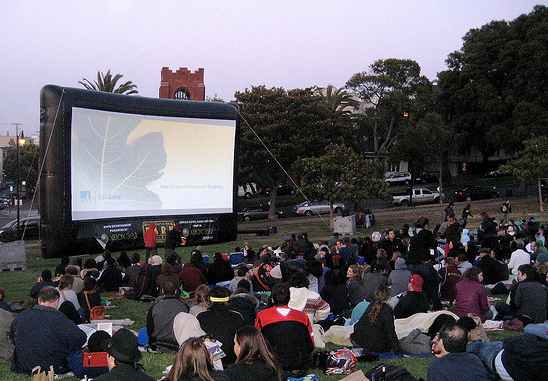
Spend your weekend off with free outdoor movies in parks throughout San Francisco and Marin County, from Dolores and Union Square to San Anselmo Creek Park, projected on giant outdoor screens. Check out the Marin and San Francisco sites for a full schedule of times and locations.

MOVIES ON THE SQUARE
June 5 – September 25, 2014
8:45pm
Free

Head south to Redwood City and enjoy the warm summer nights of the Silicon Valley with this well-attended outdoor movie gathering. Featuring blockbuster hits like Frozen and E.T.. Don’t miss out on these classics in the comfort of an intimate outdoor setting amongst your neighbors.


WATERFRONT FLICKS
June 12 – August 21, 2014
Jack London Square, 70 Washington Street, Oakland
Free

Unlike your typical outdoor movie, Jack London Square provides the ultimate venue with a beautiful waterfront back drop to accompany your cinematic experience. Enjoy films like Gravity and Ferris Bueller’s Day Off at this breathtaking destination.

TEMESCAL STREET CINEMA
June 19 – July 31, 2014
8:45pm
49th St near Telegraph Ave, Oakland
Free

Every Thursday in June and July, the Temescal Street Cinema program is showing a selection of hand-picked documentaries in North Oakland. In the past, evenings have included live music, local food vendors and free popcorn. Check their site for details on this year’s program. Limited seating, so come early and bring your own chair.

Check out KQED Arts for more arts-related ideas.

– By Nicole Zeichick and Adrienne Blaine

How to Find Great Art by Local Artists

Updated: June 2, 2014

Flickr:BeGreenLee

The Bay Area commands you to support your local artists! Ditch the stuffy halls of the city’s museums (for a day) and celebrate the talented Bay Area community.

LOWER POLK / TL ART WALK
First Thursday of every month, 6pm – 10pm
Polk & Larkin between Geary & Bush, San Francisco

The Lower Polk / TL Art Walk currently opens 20 gallery spaces to the public, including White Walls, Alliance Francaise, Larkin St Youth Gallery, and many more, as well as featured neighborhood murals. This event runs later than most neighborhood art walks, ending at 10pm. Get your art crawl on!

OAKLAND ART AND SOUL FESTIVAL
Sat August 2, Sun August 3, Noon – 6pm
near 12th Street/City Center BART station
Frank Ogawa Plaza, Oakland
$15

This annual Oakland art festival offers live music on multiple stages, as well as a sprawling art exhibition. Past performers include Lisa Loeb, ConFunkShun, Lyrics Born, Persephone’s Bees, MC Hammer, Indigo Girls, and tons more. The art exhibition typically showcase every genre imaginable, including installation, digital art, dance, photography and collaborations with local colleges and arts institutions.

SAUSALITO ART FESTIVAL
August 30 – September 1
Marinship Park, Sausalito
Adults $25, Kids 6-12 $5, Children under 6 Free

With hundreds of local artists, this festival features paintings, sculptures, drawings, ceramics, glass, fiber arts and fashion, wood, photography, and mixed media surrounding a main stage with performers. After more than 60 years, this is one of the oldest fine arts festivals in the Bay Area.

Check out KQED Arts for more arts-related ideas.

– By Nicole Zeichick and Adrienne Blaine

Live it Up! Summer Fun at County Fairs

Updated: June 2, 2014

Flickr: Orin Zebest

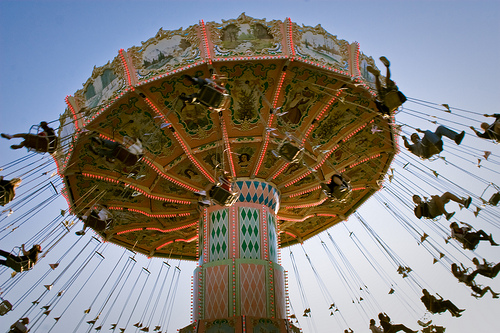
Embrace your inner child and let your kids call the shots this summer by hitting these county fairs. Some “G-rated” family fun for everyone, the cotton candy and ferris wheel are waiting for you!

SONOMA COUNTY FAIR
July 24 – August 10, 2014
Gates open 11am – 9pm
1350 Bennet Valley Road, Santa Rosa
Free for young kids, $11 for General Admission

This year, the Sonoma County Fair presents a Sixties-themed garden show entitled “Flower Power,” where “each garden will be themed after iconic songs that start with a color.”

SOLANO COUNTY FAIR
July 30 – August 3, 2014
900 Fairgrounds Drive, Vallejo
Young kids are free, $10 for adults

Seems like the main attraction this year may be the concert lineup (free with admission to the fair), featuring class acts like ConFunkShun, Little Anthony and the Imperials, and Los Lobos.

SANTA CLARA COUNTY FAIR
July 31 – August 3, 2014
Santa Clara County Fairgrounds, 344 Tully Road, San Jose

Join folks in the excitement of the seeing Greg Kihn at the Santa Clara Fair. Or maybe your kids will get a kick out of Captain Jack Spareribs or the Santa Clara Fair debut of Twinkle Time.

MONTEREY COUNTRY FAIR
August 27 – September 1, 2014
Fairground Rd & Casa Verde Way, Monterey

This year’s slogan is “Party with the Animals” and if that isn’t enough to get your juices flowing, maybe photos from last year’s fresh-faced fair-goers will.

Check out KQED Arts for more arts-related ideas.

– By Nicole Zeichick and Adrienne Blaine

6 Ways to Escape the Fog in Less Than an Hour!

Updated: June 2, 2014

Flickr:Marcin Wichery

The lack of seasons in San Francisco is a sore point for many of us, and the subject of plenty of digs. But here’s the truth that makes those weather-related barbs slide right off our backs: Even in the soupiest thick of fog, all it takes is an hour’s drive and you can be somewhere where you don’t need a light sweater at all. (Of course, you’ll want to keep one in your backpack. You’ll need it for the ride home.)

1. MT. TAM

It’s hard to believe there is a forest on a mountain just an hour outside of the home of Rice-A-roni and cable cars. Mt. Tamalpais is full of places to hike, bike and view the fog-shrouded city, outside of the fog. Any level of hiker can find a scenic, exhilarating hike. You can look for native flora, like chaparral plants, rare and endangered plants, and when in season lovely wildflowers. With so many different routes to choose from, your best bet is to seek out some recommended loop hikes that go through all kinds of different terrains, from shaded woods to sweeping coastal trails.

2. SWEENEY RIDGE

Sweeney Ridge, between San Bruno and Pacifica is part of the Golden Gate National Recreation Area, which means sometimes you can even get a themed walk led by a ranger. Beware, the hiking is a bit steep but if you make it to the top, you’re rewarded with an amazing view. Bonus: bring your binoculars and look for hawks!

3. SAUSALITO

Flickr:Bryce Edwards

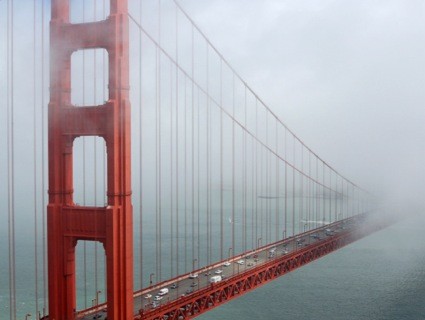
Whether you take a car, a bike, a bus or the ferry, it doesn’t take too long to get over the Golden Gate Bridge and down into Sausalito, where you’re almost always guaranteed a sun rays and shadows. Walk down Bridgeway and find a cheeseburger or an ice cream cone to enjoy while looking out over the water to the city. If you have kids with you, make sure you stop by the Bay Area Discovery Museum and check out the Imagination Playground.

4. DOWNTOWN BERKELEY

Get on your bike and take BART to Downtown Berkeley for a leisurely ride around town. You can use the Biking and Walking Map to navigate the wonderfully wide bike lanes. Head to the Marina or explore U.C. Berkeley’s campus. Check out the street vendors and musicians on Telegraph Avenue and eat like a college student for an afternoon by getting cheap pizza and self-serve frozen yogurt by the pound. You deserve it after so much bike riding in the sun.

5. DOGPATCH

Here’s a secret: the people who misquote Mark Twain, saying “The coldest winter I ever spent was a summer in San Francisco” have never been to Dogpatch. This neighborhood on the east side of the city is as far away from the ocean as it is possible to be within city limits, which means it’s protected from the fog by two sets of hills. The neighborhood is pretty industrial but it’s up-and-coming, with fun brunch spots, bars and a great butcher. If you see the fog rolling in, hop on a bus to the Dogpatch and buy yourself a few more hours of sunshine.

6. STINSON BEACH

TB

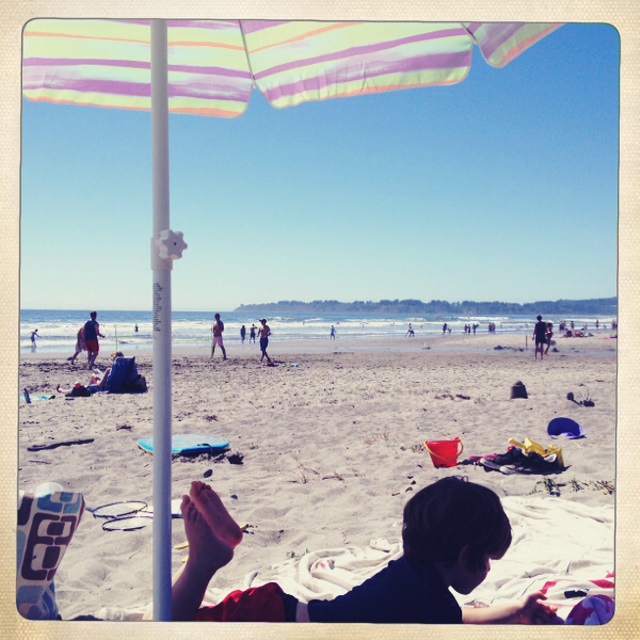
While San Francisco does have its own beaches, the typical wind patterns make them not quite the most relaxing spots to for summer sunbathing or playing in the water. Less than an hour’s drive north is beautiful Stinson Beach, where the fog typically lifts by late morning, leaving a wide, inviting stretch of beach while still keeping a little of that wild, Northern California feel. You can grab picnic lunches from a variety of eateries in the small village, and stop for ice cream on the way home. A day spent here feels like a mini-holiday.

-By Lizzy Acker

Tidepools: Guide to Explore Amazing Marine Life

Updated: June 2, 2014

Flickr: Ingridtaylar

When it comes to the Bay Area’s hidden outdoor treasures, our local tide pools are comparable to some of the best around the world. With a little advance planning, you can pay a visit an ecosystem teeming with marine life and get up close and personal with beautiful sea creatures that only low tides reveal.

You want to hit your destination at a zero or negative low tide. (“Zero” is the average low point, and a negative or “minus” tide is an unusually low tide that occurs around the full and new moons.) You’ll get plenty of tide-pool action during a regular, zero tide, but extra-low negative tide reveals more of the rocks that are normally covered with water, and more creatures that are usually submerged. To get the timing right, be sure to check a tide table before you go, either the NOAA  or Saltwatertides.

AGATE BEACH AND THE DUXBURY REEF STATE MARINE SANCTUARY

Flickr:Benketaro

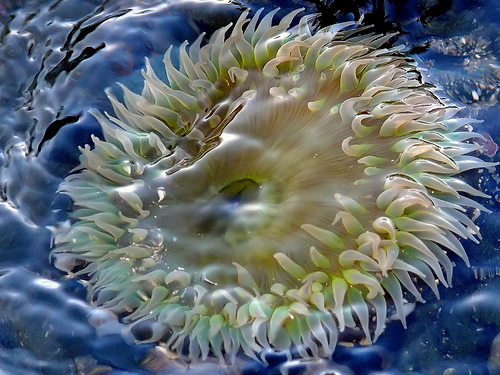
Accessible via a short trail off of Elm Road in Bolinas in West Marin, Agate Beach, located about 30 miles or an hour’s drive northwest from San Francisco, has a huge stretch of tide pools as well as great bird watching. Duxbury Reef is a soft shale reef – the largest in California – and is part of the Gulf of the Farallones National Marine Sanctuary. Together the reef and the beach are among the most biologically diverse coastal areas in the Bay Area. Go during a very low tide and you might see a bat sea star, an unusual kind of sea star that has webbing between its arms, or a giant green anemone (rumor has it that at this location, specimens of the latter can measure six inches across!) Bonus: On a clear day you can get a great view of the Farallon Islands.

PIGEON POINT LIGHTHOUSE STATION STATE HISTORIC PARK

You’ll find Pigeon Point’s tide pools about 100 yards or so north of the hostel building at Pigeon Point, located about 50 miles or an hour’s drive south of San Francisco. And they’re chock full of anemones, crabs, abalone and mussels. If you’re there between March and May, you might see migrating whales as well, and Año Nuevo State Reserve, where you can catch elephant seals and their pups in the winter, is right nearby. Bonus: The inside of the Pigeon Point lighthouse is closed to the public, but it’s still worth seeing from the outside – at 115 feet, it’s one of the tallest lighthouses in America. The lighthouse keeper’s lodging has been renovated and operates as a hostel, making an overnight stay an option!

FITZGERALD MARINE RESERVE

Flickr: Panegyrics of Granovetter

If you’d like a guided tour of tide pool beauties, check out Fitzgerald Marine Reserve in Moss Beach, where volunteer docents can introduce you to some of the 200 species of animals and 150 species of plants that make their home in the reserve’s tide pools. While you’ll never be guaranteed a sighting of an elusive red octopus, chances of seeing one at the reserve are better than elsewhere. Each ecosystem is different and therefore is home to a different array of creatures, but in general, here’s what you can keep an eye out for in the Bay Area’s tide pools: barnacles, sea anemones, sea stars, sea urchins, mossy chitons (a type of mollusk), skates, coralline algae, pebble crabs, turquoise sculpins (a bottom dwelling fish), mussels, broken-back shrimp, sea cucumbers, iridescent algae, sea grapes (a type of seaweed), iridescent algae, and if you’re super lucky, red octopi. Bonus: 126 species of gastropods (snails) live in the reserve’s tide pools. How many can you find?

Check out this in-depth video about the wonders of Fitzgerald Marin Reserve, by Quest’s Joshua Cassidy.

GENERAL TIPS FOR TIDEPOOL ADVENTURES

  • Bring warm clothes and closed-toe shoes (leave your flip flops at home — those in the know recommend old sneakers or even rain boots).
  • Remember that creatures in tide pools are for looking at, not prodding at or even touching at all. Even though they’re battered by waves on a daily basis, tide pool organisms are in fact very delicate and vulnerable to disturbance by humans. One well-meaning, curious poke from you could mean death for a tide pool inhabitant.
  • Consider buying a field guide. Pacific Intertidal Life: A Guide to Organisms of Rocky Reefs and Tide Pools of the Pacific Coast by Ron Russo and Pam Olhausen is inexpensive and comes highly recommended. A more expensive option is The Beachcomber’s Guide to Seashore Life of California, by J. Duane Sept.
  • Plan to arrive at the tide pool at least 30 minutes before low tide so you have time to explore before the tide starts coming back in.

For more about exploring tidepools in the Santa Cruz area, check out Science Hikes on KQED’s Quest.

-By Meghan Laslocky