
All posts by Climate Watch Correspondent

Climapalooza

Is this what tree huggers look like?

One look at the poster to the left that was pasted on a utility box along my normally trim and tidy Copenhagen street shows there may be more to the protests this weekend than your average environmentalist demonstration.

The hope that marked the first couple of days at this conference is starting to show some cracks: Countries in the G77, the bloc representing developing countries, have split between the poorest of the poor–island and small African nations concerned about how climate change will make life miserable for them–and the large developing countries like China and India. At issue, of course, is what kind of greenhouse gas reduction commitments should be made. The poorest countries would like to see the strictest commitments, the less-poor countries would like to stick to what they’ve already committed and call it a day.

I’m also starting to see/hear more protests in and around the Bella Center, urging the delegates to commit to deeper cuts in greenhouse gases than are currently on the table. One rather interesting protest was staged this morning by the group 350, at the metro station outside the conference hall. They chanted “We’re in the cold to stop the heat” over and over. Why? They were in their undies. And did they look cold. It was 35 degrees and raining outside.
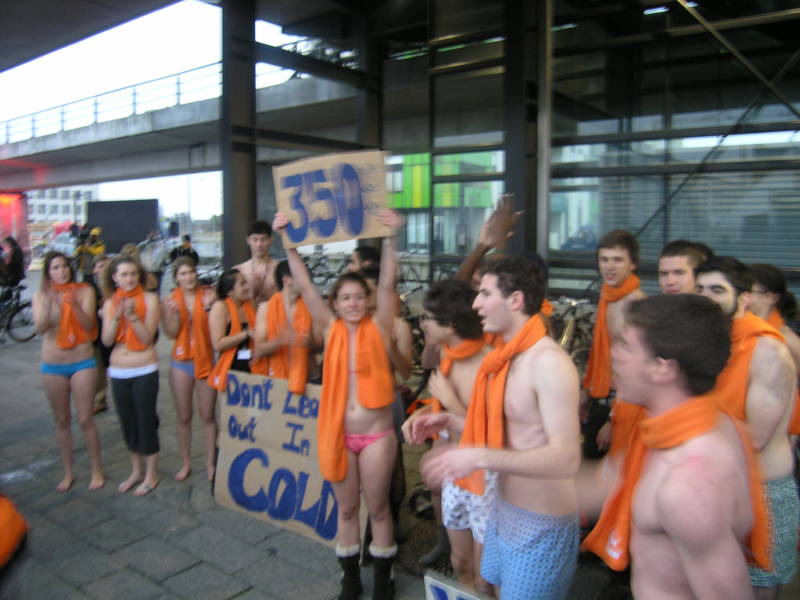
No, it’s not that hot here.

All of these protests will most likely culminate this weekend, when a large-scale protest is scheduled in downtown Copenhagen. From there, marchers plan to proceed to the Bella Center. Danish Police have already confiscated bolt cutters and platforms used to break down/go over police barricades, and this discovery brings me back to that first photo.

There are other groups that no-doubt grasp the magnitude of the opportunity. With more than 3500 journalists in town, their message–whatever it is–has a better chance of getting out there. With more than 110 world leaders and heads of state arriving next week, all the better. But the imminent parade of important leaders is definitely giving this conference a Lollapalooza atmosphere. It feels like a huge circus devoted to climate change.

Last item: Check out the last photo in this post.

And to think that California spews out 470 million of these a year.

It’s the last thing you see from the elevated metro line before you get to the Bella Center. Everyone here has seen it and everyone’s talking about it–and it answers something I’ve always wondered about as a reporter. This is apparently the size of one ton of carbon dioxide emissions. That’s me standing at the base of it. No “circus” would be complete without balloons.

Ed. Note: The spelling of “tonne” denotes metric tons, the usual unit of measure for greenhouse gas emissions.
Hopenhagen: A Reporter’s View

Hope for an international deal on climate change abounds on the streets and metro stations throughout Copenhagen. But does it among U.N. delegates?

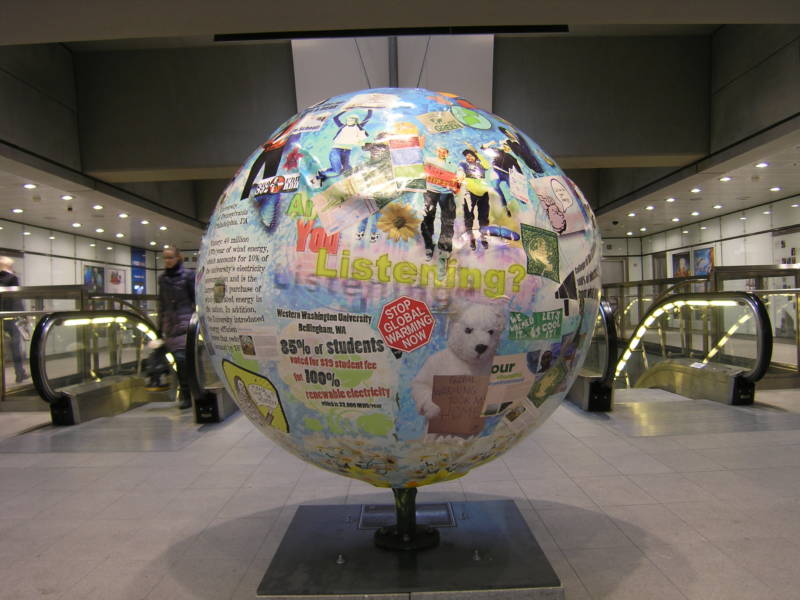
The capital city of this bone-chilling European country is dressed to the nines in global warming, from Coca-Cola ‘Hopenhagen‘ ads overlooking its quaint canals, to huge globes pasted with polar bears and receding glaciers. All this advertising makes all the lovely Scandinavian Christmas decorations look dim in comparison. This is, of course, COP 15– the most anticipated UN climate change convention since Kyoto twelve years ago. Despite the pessimism that pervaded the run-up to this conference, hope was the buzzword on the first day of the conference. In an afternoon news briefing, Yvo de Boer, ever the optimist about these meetings, stayed on message, telling reporters that it wasn’t for nothing that major heads of state like President Obama were changing their schedules to arrive at the end of the conference. They want to see a deal, de Boer said, and news from across the Atlantic that was first reported during the midday hours here in Copenhagen, may very well increase the odds.

As news started to trickle in that the US Environmental Protection Agency had determined that greenhouse gases are a threat to human health and the environment (thus opening carbon dioxide and equivalent greenhouse gases to government regulation with or without the blessing of Congress),* the excitement in the halls of the Bella Center rose. High fives were exchanged among American observers, and Rajendra Pachauri, chair of the Intergovernmental Panel on Climate Change told my office mate, Sam Eaton of Marketplace, that it was high time that Obama flexed his muscle on climate change. EPA’s move had been in the works for a while.

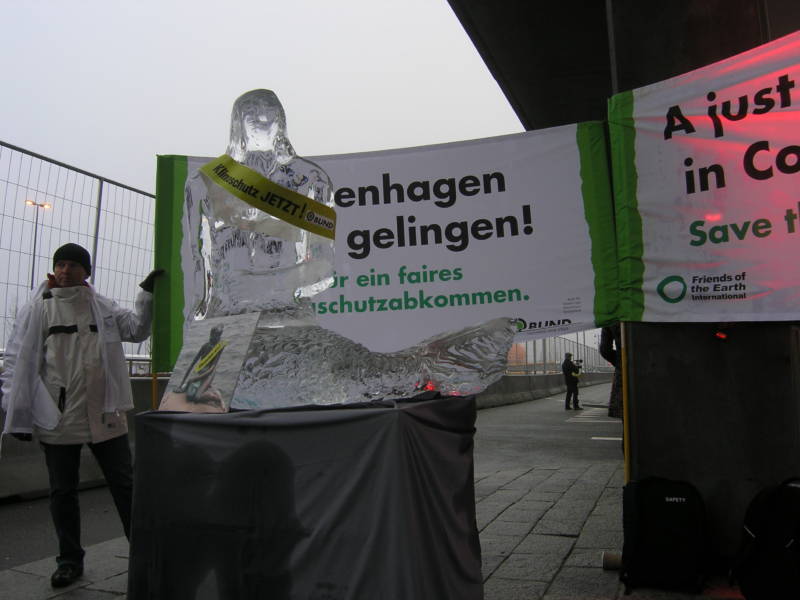
An ice replica of Copenhagen’s famous mermaid, melting in the dead of winter, conveniently placed in front of the Bella Center.

Back in September when I attended a climate change conference in Tokyo, UNFCCC head Yvo de Boer hinted it would happen. But it’ll take a lot more than an EPA announcement to move delegates toward a final deal at this conference. One of the biggest issues they face is how to finance emissions reductions throughout the developing world. Poor countries say they need rich countries to help them build a clean energy infrastructure if they are to agree to any binding deal. Rich countries are scratching their heads trying to figure out how to finance this (de Boer says it’ll cost around $10 billion a year) and, more importantly, how to divvy up the cost, especially in the throes of a global recession.

What does this mean for California? It’s one of the few states that have passed carbon dioxide reducing legislation. It behooves us to have neighbors, both domestically and internationally, who have similar laws, so that employers don’t flee the state to escape environmental regulations–a very real scenario in this economy. Whether or not Hopenhagen lives up its nickname, it’s already turning into an interesting event.

*Ed. Note: Back in Washington, at an afternoon news conference, EPA Administrator Lisa Jackson explained that today’s “finalizing” of the previously announced endangerment finding now “obligates” the agency to regulate carbon dioxide under the Clean Air Act. But she hastily added that it’s not a replacement for Congressional action. “Legislation is still the best way,” said Jackson. “It’s not an either-or proposition.”

Powering Paltown: Pushing PV in Japan

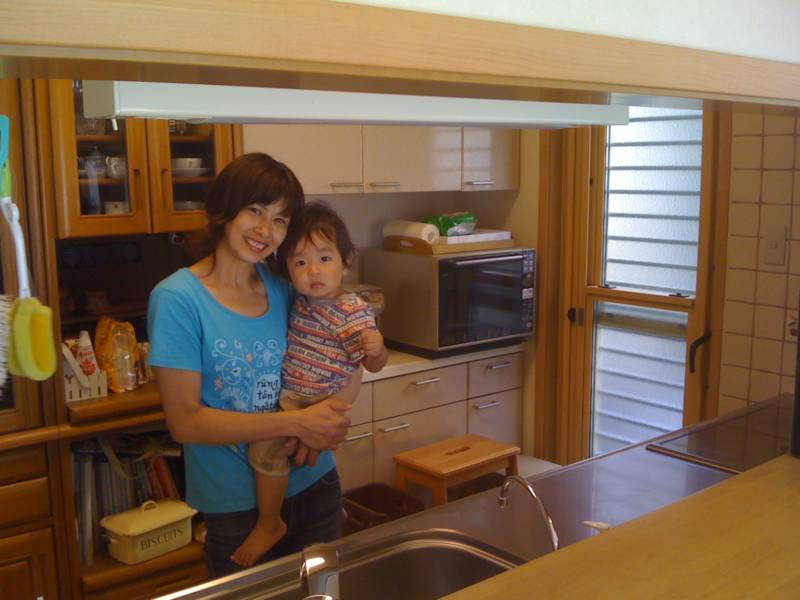
Thank you, Paltown. Asako Sugawara with her son, Sota. The Sugawaras received free solar panels in exchange for living in the middle of a government experiment.

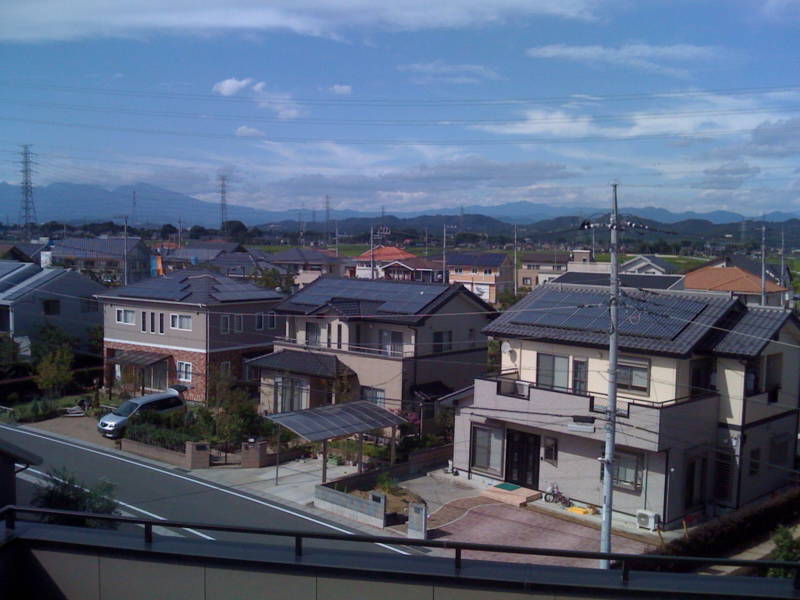
It may have a silly name, but its mission is all business: Paltown, a neighborhood of around 800 homes outside the Japanese city of Ota, built by the government to study what happens when an entire neighborhood goes solar. This is what I find most fascinating about the Japanese: they’re so meticulous in tackling problems that they establish entire towns as part of their tinkering.

Each of the 758 homes in Paltown has photovoltaic panels on top of it. Paltown’s purpose is to work out the kinks of concentrating PV capacity in one neighborhood. One of the problems they’re looking at: On PV homes, the excess energy goes back to the grid. If the grid’s transmission lines are at capacity, a suppression system on most arrays kicks in, reducing the amount of power they generate. This, in turn, squanders the panels’ full generating potential. Engineers at Paltown prevented the suppression system from kicking in by storing excess energy in  batteries on the sides of the homes. That energy is then used in the evening, when the panels aren’t generating any electricity. Since it was established in 2002, Paltown has rarely generated too much electricity for the grid to handle. In fact, it has only happened during the holidays, when the biggest electricity consumer, the local Subaru assembly plant, shuts down. But when it has, the batteries worked.

Paltown’s 758 homes all have solar panels on them.

Another thing they’re looking at is developing a system to stop sending electricity to the grid during a natural disaster. Japan is one of the most seismically active countries on Earth. When earthquakes damage homes, PV panels will usually continue to generate electricity, making a damaged system very dangerous for anyone near it. Paltown engineers have developed technology that will turn them off in these situations, they’ve patented the technology, and will soon start selling it to PV manufacturers.

Paltown pulled the plug on the battery experiment last year. The battery packs were removed but the working panels remain, along with the people who actually live here, in this renewable energy petri dish. What do they think? Asako Sugawara moved here with her husband and three children five years ago. They earn between thirty and eighty dollars a month from their solar panels. That will almost double when Japan’s Feed-in Tariff kicks in. She meets up with other housewives in the neighborhood each day, and the conversation inevitably turns to new ways they can save money. Lately they’ve been talking about the new feed-in tariff system. They’ve also shared methods of using electricity to get the biggest bang for their buck. “I’ve learned that electricity rates are the lowest after 11 at night, so I and many other housewives I know set timers on all of our appliances so that they use electricity in the middle of the night,” she told me. So much for using renewable energy when it’s available.

Rob’s radio series on energy efficiency in Japan concludes Monday morning on The California Report. All of Rob’s radio reports, blog posts, photos and video clips are collected on the Rising Sun series page.

Mottainai! Saving Energy as Cultural Value

Follow Rob’s quest for understanding of Japan’s energy efficiency on this interactive map.

While reporting my series on Japan’s energy efficiency, I’ve come across a list of explanations from economists, government officials, industry insiders, and Japan experts about how Japan became the most energy-efficient country in the world (measured by greenhouse gas emissions per unit of GDP). Most of the reasons revolve around Japan’s lack of fossil fuels; a market-based supply-and-demand answer.

A few weeks ago, when I met with Ikutoshi Matsumura, he gave me the same answer. I let him finish, and then pushed harder: “But Matsumura-san, there are many countries, like Japan, that are equally resource-poor, and they are very poor and struggling. Why is Japan different?” Matsumura, an executive at Nippon Oil, Japan’s largest oil company, started chuckling [Ed: Matsumura also appears in Part 2 of Rob’s radio series as head of Japan’s Fuel Cell Association. He’s that, too]. He admitted that he, too, had thought this over during his lifetime, and that the conclusion he always reached was that there were more than market forces at work here. The deeper reason was cultural.

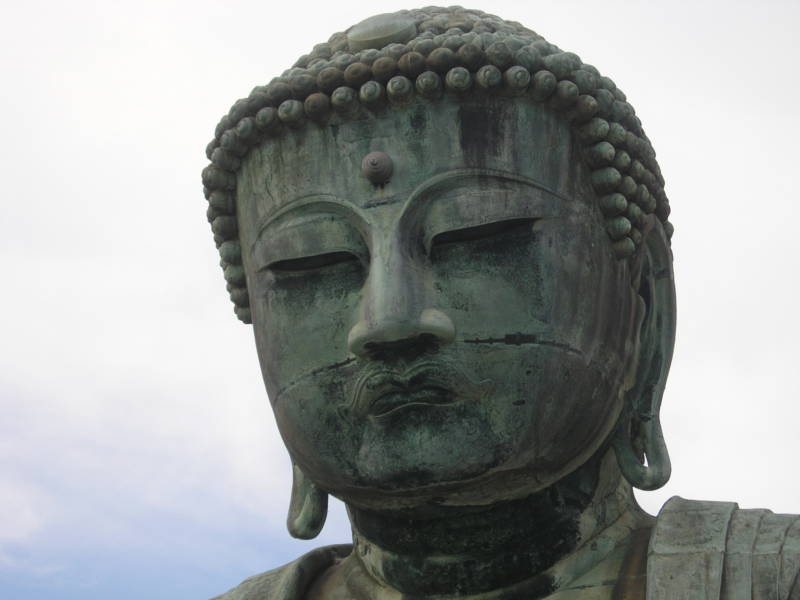
The 750 year-old Great Buddha of Kamakura. How much of Japan’s energy-saving path is cultural?

“Japanese culture has always emphasized education and hard work,” he told me. “The reason we succeed is because of our human resources, not our lack of natural resources.”

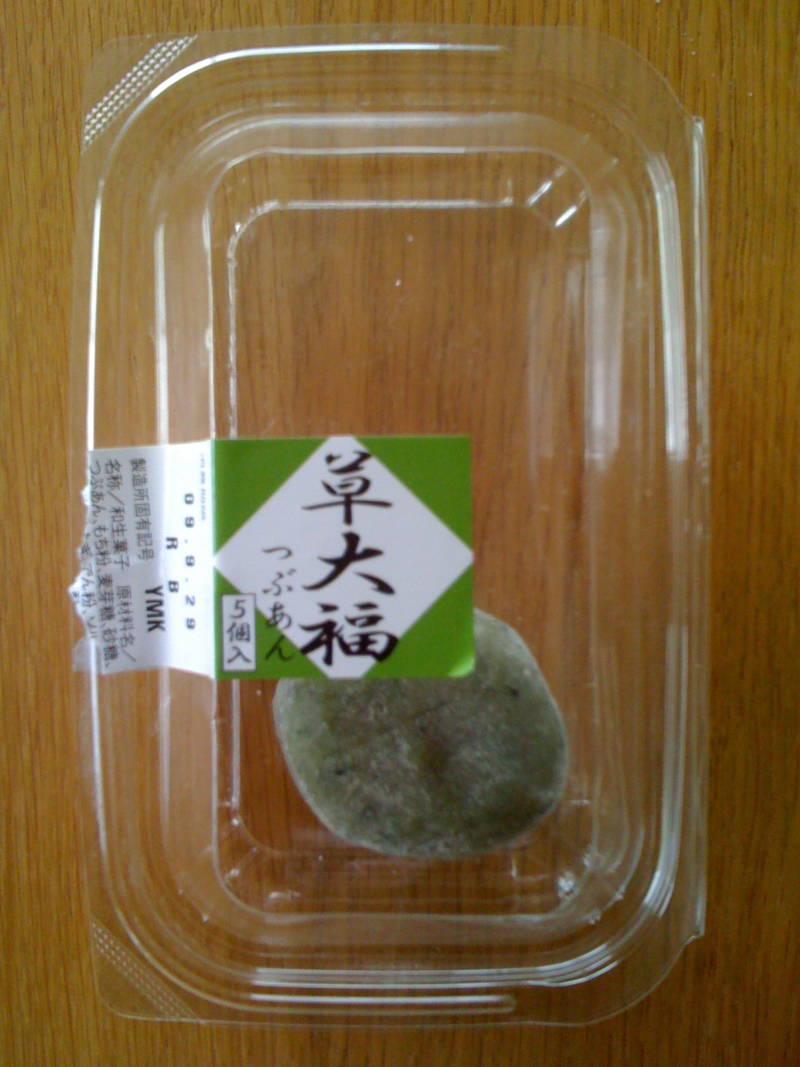
One last Mochi + Nobody to eat it = a Mottainai moment.

Mottainai is a term in Japanese that roughly translates to “What a waste.” The concept is an ancient one based on Buddhist philosophy. The meaning of Mottainai is that one should never waste anything. Buddhists traditionally used the term to show regret for wasting something sacred, such as religious lessons. In modern colloquial Japanese, Mottainai is often heard. If a child doesn’t finish his rice, his parents will spit out “Mottainai!” If you forget to put the newspaper in the recycling bin, a neighbor will see this and whisper “Mottainai” under her breath. You get the idea.

In 2005, Nobel Peace Prize winner Wangari Maathai visited Kyoto from her native Kenya, and learned about the word. A world-famous environmentalist, Maathai quickly applied the word to climate change. She’s reportedly used the word on her lecture tours, and while addressing the U.N. Commission on the Status of Women, she led the audience in a ‘Mottainai’ chant. Maathai’s publicizing of Mottainai prompted the Japanese government and non-profits to start using the word as a call to protect the environment, too.

“Things like this often happen in Japan,” says Japanese Sociologist Yuko Kawanishi, ” Although we are the world’s second largest economy, there is something in the Japanese mind that unless something is recognized and valued by non-Japanese, there will not come the realization that ‘Oh, we have such a wonderful thing.'”

I spoke to Kawanishi about Mottainai prior to my trip in August. She’s finishing up as a visiting scholar in New York. I asked her if the concept has helped Japan become so energy efficient. “It might have helped us to exercise the spirit more easily,” she told me, but she added other important cultural traits. “It’s something about Japanese people’s collective social psychology….the Japanese people follow instructions easily. There’s also a lot of peer pressure, sort of watching each other. And also there’s this disposition among Japanese to be meticulous and thorough to whatever task is assigned to them, so if the task is to save as much energy as possible, they’re more likely to really put a lot of effort toward it, and they’ll watch each other to make sure the others are doing it as thoroughly as they are.”

Kawanishi added that this dynamic combination of internal values is not comfortable for the Japanese, but when applied to protecting the environment, it works.

Keeping Up with the Sakakis

Rob’s companion radio report to this post begins his series: “Rising Sun: Why Japan is Winning the Energy Race.” Part One airs Monday on The California Report.

Meet the Sakakis: Thirty-something mom and dad Yukiko and Hiroshi, and their three-year-old daughter, May. They’re a typical Japanese family: they live in the Tokyo suburb of Musashino, they have one child (and they’re stopping there, they say), and both parents work to afford a middle-class lifestyle.

The modern-day energy-saving Japanese family

I visited the Sakakis to get an idea of how an average Japanese family consumes energy. I left their home with a greater understanding of why Japan is a much more energy-efficient country than ours.

I visited the Sakakis on a Saturday. It was 85 degrees and muggy outside; a typical early September day in Tokyo. Despite the conditions, the Sakakis weren’t running their air conditioner, opting instead to open the windows and close the drapes to their two-bedroom apartment, in order to block out the sun and let a humid breeze flow through. When I asked them why the AC wasn’t on, Sakaki-san went to his desk drawer and pulled out his electricity bill. The Sakakis pay 24 yen per kilowatt-hour. That’s equivalent to about 30 cents in U.S. currency. That’s also roughly twice as much as Californians pay for electricity. Despite their frugal energy habits and diminutive quarters, the Sakakis pay what amounts to a little over $100 a month on electricity. They spend around the same for natural gas each month.

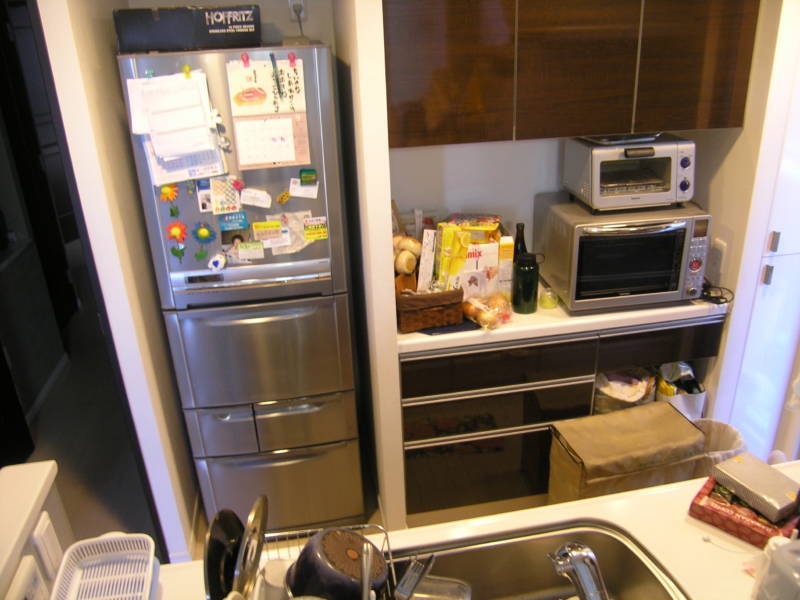
The typical Japanese fridge: several doors to save energy when opening it, and a compact size to accommodate the Japanese habit of shopping every few days (this is a large fridge, by Japanese standards, say the Sakakis).

Energy is expensive in Japan. The country has no domestic fossil fuel resources, so it has to import them. The government taxes its citizens heavily for energy consumption, and then uses the revenue to put Japan at the forefront of renewable energy R&D. This has made Japan a world leader in solar panel sales and it’s put the country years ahead of the rest of the world in the development of other innovative energy-saving technologies like hydrogen fuel cells and batteries for electric vehicles. According to Japan expert Llewelyn Hughes at George Washington University, Japan leads the world in green technology patents. “It’s not even close,” he told me in an interview to prepare me for my trip.

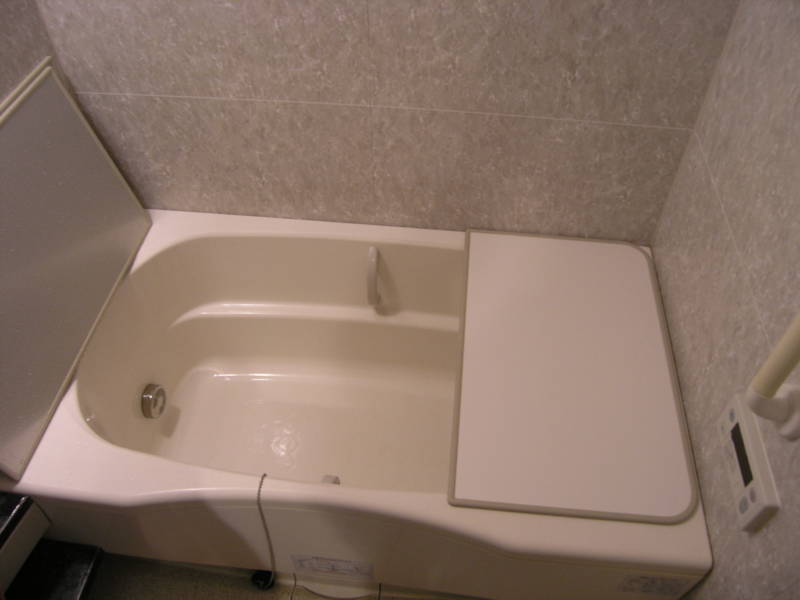
Like many Japanese families, the Sakakis share their bath water each evening. Their high-tech bath includes a temperature control mechanism and panels to trap the heat.

All of these technological innovations mean Japan is poised to emerge from the global recession with great economic potential. It also means that the Sakaki household has some very cool gadgets: a refrigerator with several different drawers in order to separate perishable items and save energy, a floor that heats up in the winter, and a bath that talks to them.

Japan’s Zero Emissions Fever

Sekisui House’s Green First Home-It looks like a normal house, but take a closer look at those roof tiles…yup. PV.

Since arriving in Japan almost a month ago, I’ve visited a “zero-emissions house,” a house that claims to be zero emissions but really isn’t (more on that later), and an “EcoHouse.” It’s fair to say the housing industry in Japan is going ga-ga over reducing carbon emissions. The obsession began a little over a year ago, when Japan’s largest companies (collectively known as “keiretsu“) came together to build the zero-emissions house.

The home, which purportedly produces zero or negative emissions over the course of its lifetime, was built especially for the 2008 G8 Summit in Toyako, on Japan’s northern island of Hokkaido (you can see my video tour of the home at KQED’s YouTube site). Originally nestled on a hillside overlooking a lovely lake during the G8 summit, the home has moved to more modest surroundings: It now sits in a drab parking lot outside Sekisui House‘s noisy prefabricated homes factory in Koga, 40 miles north of Tokyo. The home’s greenhouse gas-reducing technology includes:

– A 14-kilowatt solar array on the roof

– A hydrogen fuel cell which generates energy by taking hydrogen from natural gas and using the byproduct, heat, for the home’s hot water supply and space heating during the winter

– A window with photovoltaic (PV) film inside of it

– A ‘waterless’ washer/dryer, and of course, every energy-efficient appliance you can think of.

Kimikazu Kondo, spokesman for Sekisui House, tells me that nobody’s offered to buy the home yet. Until they do, it’ll be sitting in that parking lot, looking a little lonely.

The interior of the Green First Home. If this is prefab, sign me up.

Kondo also showed me Sekisui’s Green First home, the company’s newest prefab. Sekisui estimates that the average Japanese household spends around the equivalent of  $3,000 on energy per year. Kondo told me that if you buy the Green First home, you’ll spend around five hundred. The home’s roof tiles are made of PV thin film. The house has a hydrogen fuel cell, LED lights, etc. When I first toured the home, Kondo told me it was a zero-emissions home, too. But when I asked specific, pointed questions at how they arrived at that determination, he backed down and told me that over the life of the house, it would reduce 70% of greenhouse gas emissions over an average home in Japan. Not a true zero emitter, but not bad.

But I started to wonder how Sekisui House was marketing this home to Japanese buyers. Were they touting it as a “zero-emissions” house, despite the fact that it isn’t? Hmm. Sekisui’s Kondo did take me on a very interesting tour of his prefabricated home factory. I shot a short video there of a machine that punches holes through steel beams.

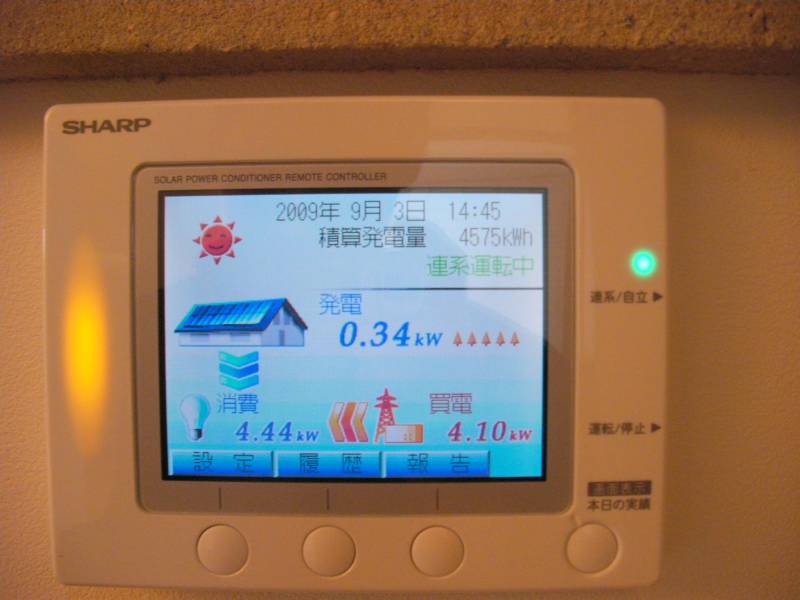
A control panel inside the Green First home which gives the homeowner information on how much electricity is being generated from the solar panels on the roof. On this day, it was only 340 watts. It was cloudy.

Each prefabricated home that Sekisui builds has more than a hundred thousand parts built for it in a factory. They’re actually more durable than your average site-built Japanese home. Prefab homes make up about 15% of the housing stock in Japan. Kondo told me Sekisui has no plans to bring its homes to the American market, but it is now starting to sell them in Australia.

Notebook Lost, Work Ethic Found

Rob Schmitz continues his dispatches from Japan, where he’s reporting on that country’s aggressive approach to energy efficiency–and what lessons we might take from them. Rob returns to KQED’s Los Angeles Bureau in October–with his notebook.

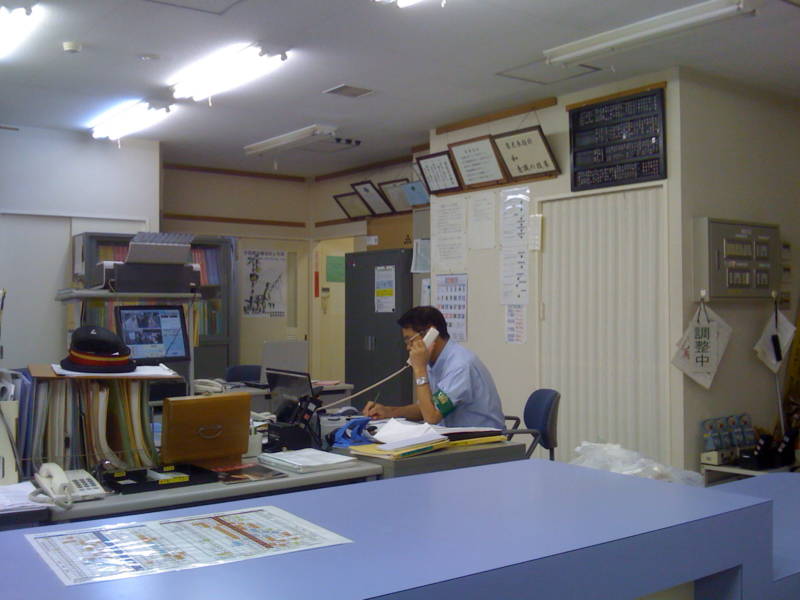
Today I left my notebook on the train to Ota. In it were notes of all the interviews I had conducted since arriving in Japan. Throughout my day of reporting, I repeatedly asked to borrow my interpreter’s notebook, and by the end of the day, I was depressed with the thought of having to listen to hours of tape that I had meticulously transcribed over weeks of interviews. When we returned to the station, my interpreter, Chiaki, took me to the station master’s office. That’s where I met Mr. Aiba.

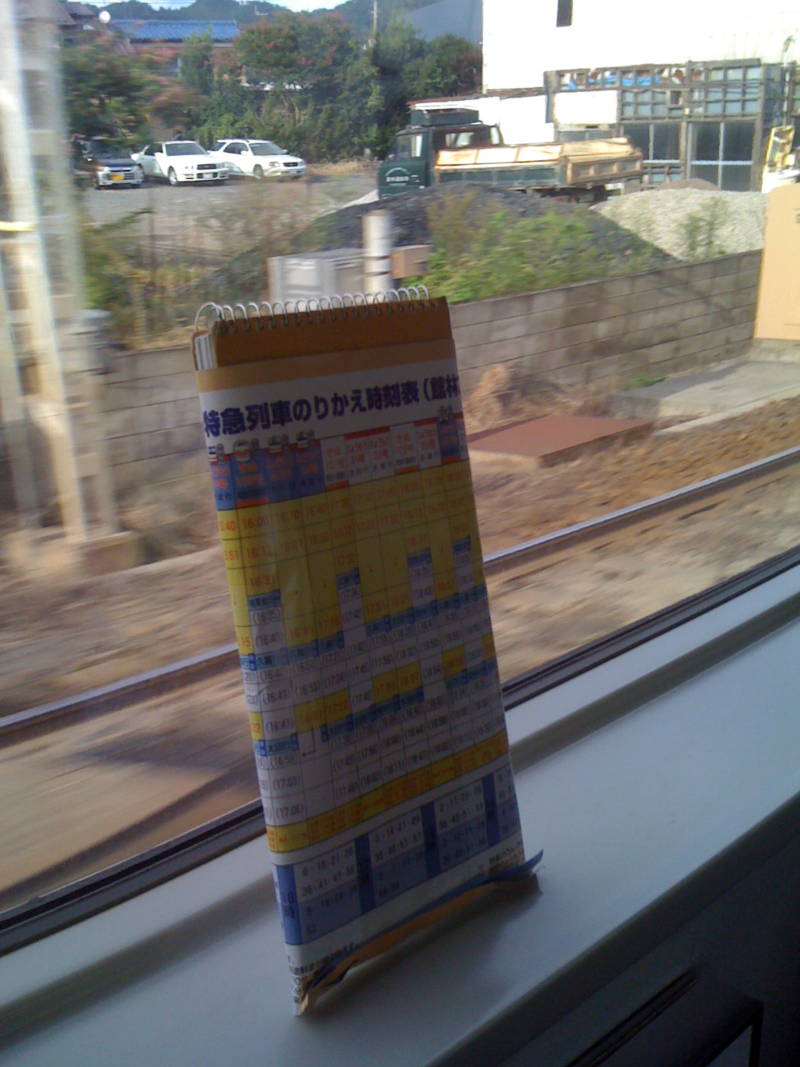
My Travelling Notebook

Aiba-san was in his 50s, tall, thin, graying hair, glasses, and, like most Japanese in his position, incredibly polite. He wore a blue uniform and a green band around his arm with ‘security’ written on it in Kanji. Aiba-san listened intently to Chiaki’s every word describing the notebook, where I left it, and how important it was to me. He asked follow-up questions: “What are the approximate dimensions of the notebook? Is your name on the notebook?” and so on. As Chiaki answered, he took notes.

When he was finished, he offered us a seat, briskly walked to his desk, and picked up the phone. He called other stations, he called cleaning companies, and he consulted timetables. In between calls, he updated us: “The train you were on has made three round trips from Tokyo to Akagi today. Cleaning crews in many cities have cleaned the train several times.” Aiba-san briefly left the room while he waited to hear from the cleaning crews. He returned with some tea for us. A minute later, he received a call from the cleaning crew in Akagi, a city in the mountains at the end of the line: they found my notebook. Nobody had claimed it, so it had been tossed into a recycling bin. It was waiting for me on the platform there.

Aiba-san, getting the job done.

“But you’ll have to hurry,” said Aiba-san, looking at his watch. “The train to Akagi leaves in less than one minute.” He escorted us, running frantically in the lead, to the platform. We barely made the train. I had a few seconds to reach into my bag to give him a box of See’s chocolates that I had brought as a gift for my interviewees. He sternly declined the gift, but I insisted.

When we arrived to the tiny Akagi station, two elderly custodians with brooms in their hands were waiting for us on the platform. They bowed in unison to me and handed me my notebook. They had neatly wrapped it in a copy of the train’s timetable. This is just one of many examples of the generosity and commitment to service that I’ve experienced in my short time in Japan. Had I lost my notebook on a train or a bus back home, would anyone care? They probably would’ve laughed me out of the station at the thought of tracking it down.

Now, take this behavior to a macro level and you start to see why Japan, an island nation with no fossil fuels and few resources of any kind, has become the second largest economy in the world. When Japan puts its collective mind to something, it not only gets the job done, but it oftentimes excels at it. From my conversations with government officials, business leaders, and those in the non-profit sector here, it’s obvious that Japan is not only committed to reducing greenhouse gases, but perhaps more importantly, it wants to make a lot of money from doing so.

In short, it wants to ensure that its companies own and make as much of the technology that goes towards this global effort as is possible, and it’s got a head start. Japan leads the world by a long shot in registered patents in the green technology sector, according to a report from CERNA, the Centre d’Economie Industrielle. Check out the final pages of that report, which compare countries, and you’ll see Japan leads in every patent category except one. Japan is getting the job done, just like Aiba-san stepped up to do his job when I sought his help. It’s a spirit that’s refreshing to be around. We could use a few more Aiba-sans back home.

Copenhagen Sans Congress

KQED’s Los Angeles Bureau Chief and frequent Climate Watch contributor Rob Schmitz is spending six weeks in Japan, as part of  the Abe Fellowship Program. He’s filing a series of blog posts and radio reports on Japan’s extraordinary strides in energy efficiency–and what we might learn from them.

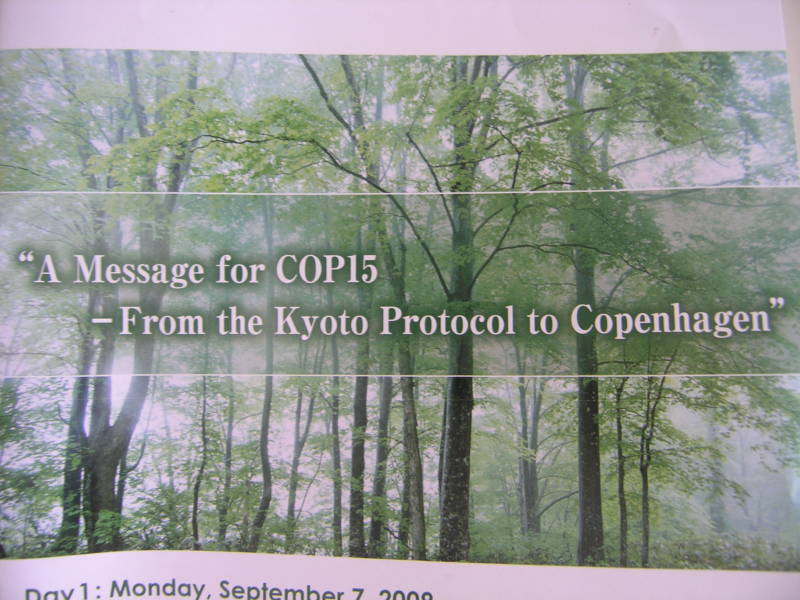
…And a message for the US from Yvo de Boer–An official program from last week’s Asahi World Environment Forum in Tokyo.

With the United Nations Climate Change Conference in Copenhagen two and a half months away, it’s becoming increasingly likely that lawmakers on Capitol Hill will not pass legislation on greenhouse gas reductions in time. A commonly accepted premise seems to be that without domestic climate legislation enacted at home, the U.S. won’t be able to sign a global deal on climate change in Copenhagen, either.

Not true, said UN Climate chief Yvo de Boer last week at the Asahi World Environment Forum here in Tokyo. de Boer told a packed house that in recent conversations he’s had with Senator John Kerry (chairman of the Senate Foreign Relations Committee) and senior advisors to President Obama, it was clear to him that the United States doesn’t need Congress to act in order to sign a deal in Copenhagen. (Listen to an audio clip of his remarks using the player below.)

[audio:http://kqed03.streamguys.us/anon.kqed/climatewatch/YvodeBoer.mp3]

This isn’t the first time de Boer has said this, nor is it the first time this notion has been floated. Last year, Marc Ambiner, political editor for The Atlantic, wrote in his blog about how the administration could bypass Congress for comprehensive energy reform by using the Clean Air Act as a platform. It seems that some of Obama’s environmental advisors believe that the act not only gives the Environmental Protection Agency the power to regulate greenhouse gases but also to institute a cap-and-trade regime on its own. Going around Congress for such an important policy shift would no doubt be a controversial step, but if such powerful and influential figures are hinting at it to de Boer, maybe we’ll see a little Copenhagen surprise on the part of the American delegation.

Japan’s Climate Plan: Too Ambitious?

KQED’s Los Angeles Bureau Chief and frequent Climate Watch contributor Rob Schmitz is spending six weeks in Japan, as part of  the Abe Fellowship for Journalists. In the weeks to come he’ll file a series of special reports on Japan’s extraordinary strides in energy efficiency–and what we might learn from them.

Saturday night, on my way home from an interview, I witnessed one of the more interesting orchestrated movements of humanity the world has to offer. I shot this video when I was changing trains at Shibuya station, one of Tokyo’s busiest. The intersection shows how well Japan engineers pedestrian movement–but how well will it engineer its residents’ greenhouse gas emissions?

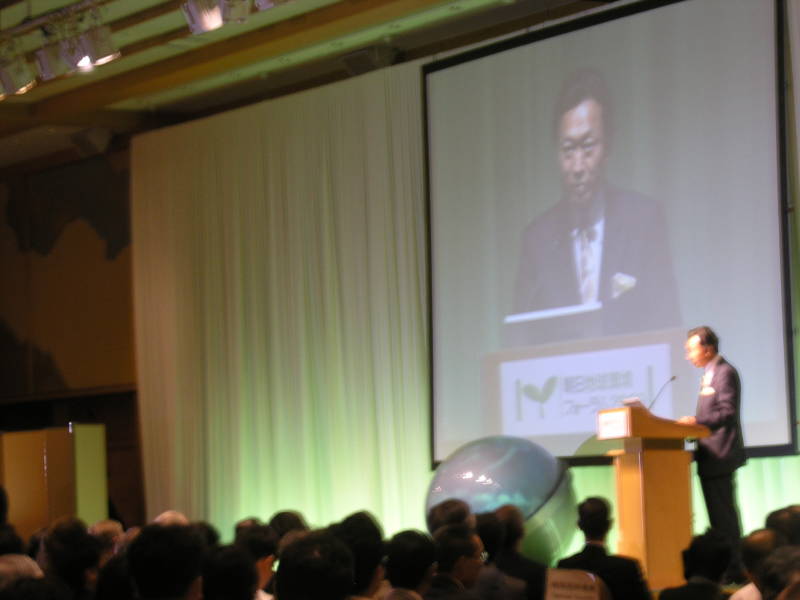
On Monday, I attended the Asahi World Environment Forum, where all the bigwigs on climate change were in attendance (including Yvo de Boer and Rajendra Pachauri, among others). The surprise visitor was Japan’s Prime Minister-elect Yukio Hatoyama.

Hatoyama makes his climate change pledge.

He told a packed house that Japan will aim to reduce its greenhouse gases by 25% from 1990 levels by 2020.

“In my personal opinion, that’s impossible,” Hidetoshi Nakagami told me last week. Nakagami is President of the Jyukankyo Research Institute and holds a coveted seat on the advisory committee to Japan’s powerful Ministry of Economy, Trade, and Industry, or METI. “Hatoyama’s pledge is pure politics,” he said. “It’s not practical, it’s not possible, and there’s not enough time.”

Nakagami is not a pessimist. He played a large role in creating Japan’s very successful Top Runner program, a 1997 policy that searches for the most efficient model of any given electrical appliance and then makes that model the industry standard, requiring other companies to adhere to it when making new models of the same appliance. The program was one of Japan’s most ambitious energy efficiency measures, and Nakagami had to fight against Japan’s largest companies in order to help craft the policy into law.

While Nakagami would like to see a one-quarter reduction in greenhouse gases from 1990 levels in the next decade, he says it’ll cost the average Japanese dearly. When former Prime Minister Taro Aso pledged to cut Japan’s greenhouse gases by 15% of 2005 levels, Nakagami’s institute estimated that the effort would cost each Japanese household, on average, 70,000 yen–a little over USD $700–a year. Even that, says Nakagami, would be a tall order in this economy.

In the end, Hatoyama may not fill this order. His historic pledge, which during his campaign, seemed to have no strings attached to it, now has an important caveat. At Monday’s forum, he told the audience that Japan will embark on this journey as long as other major countries also set similar ambitious targets.

Japan’s future hanging in the balance.

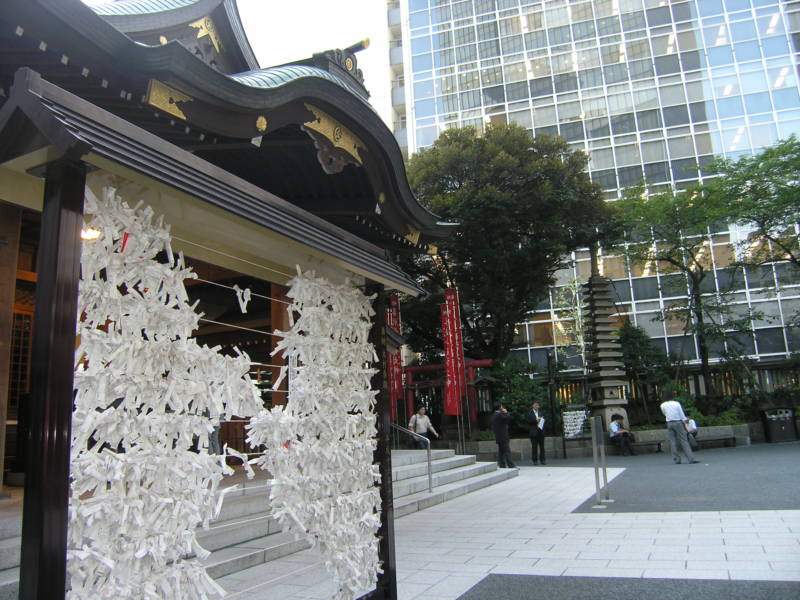
After the forum concluded, I walked outside into Tokyo’s rush hour: pedestrians everywhere, taxis speeding by me. I stopped at a Shinto shrine built among enormous glass skyscrapers. In front stood an Omikuji shrine, where believers tie a paper copy of their fortune, with hopes that it’ll come true. Hundreds of paper fortunes rattled in the hot, summer wind. I wondered if one of them was Hatoyama’s.

Trash Day in Tokyo: The Learning Curve

KQED’s Los Angeles Bureau Chief and frequent Climate Watch contributor Rob Schmitz is spending six weeks in Japan, as part of  the Abe Fellowship for Journalists. In the weeks to come he’ll file a series of special reports on Japan’s extraordinary strides in energy efficiency–and what we might learn from them.

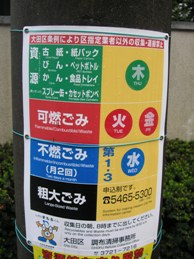
Today was combustible garbage day in my neighborhood. On Tuesdays and Fridays, residents place all their garbage deemed ‘burnable’ out on the curb. At promptly 8 a.m., it is taken away and, presumably, burned.

Burn after reading? Recycling instructions in Japan.
Burn after reading? Trash day instructions in Japan.

I had a lot of questions about what was considered combustible and the sign on the light post advertising the pick-up days wasn’t very helpful. My wife and I brought our 11-month-old son here. Were diapers considered ‘burnable’? I knocked on the Webers’ door to ask. Terry and Sherry Weber live next door. They’ve been working as teachers in Tokyo for 27 years. They told me that up until recently, plastic products were not considered burnable items, but all of that changed this year, and now it’s apparently fine to deposit plastic items like diapers on the curb on combustible garbage day. Either way, they told me, if the sanitation officials see that I’ve tried to sneak in some non-combustibles on the incorrect day, they’d leave it on the curb with a note, scolding me for screwing it all up.

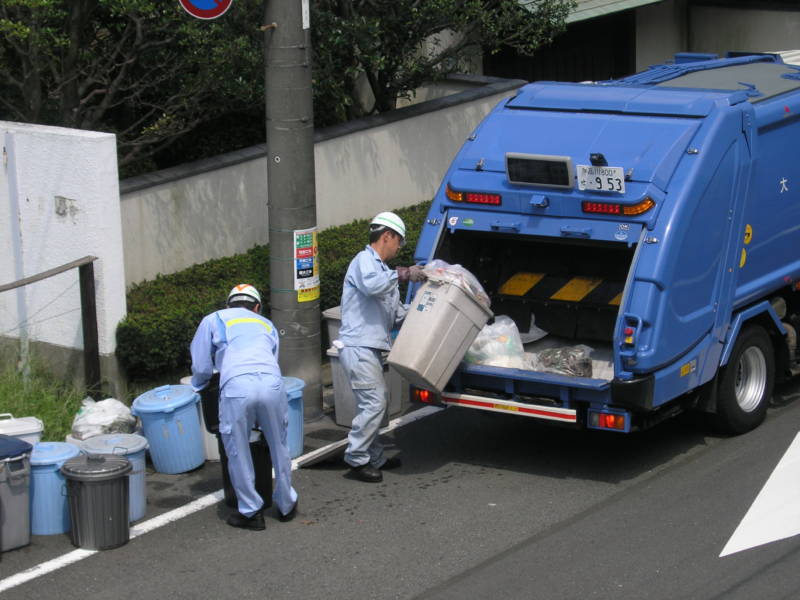
I put a bag of diapers and another bag of what I thought were burnable items on the curb, nervous that I’d be the laughing stock of my new neighborhood. An hour later, the garbage truck arrived, two men got out, inspected my garbage, and dumped all of it into the back of their truck.

The dreaded Tokyo city sanitation department gives me a passing grade on my burnable/non-burnable garbage sorting skills.

Whew. Now I’ve got to prepare for Thursday, which is recyclables day. I’m supposed to separate all of my recyclables into paper, cardboard, plastic, and cans, and bundle each of them with string. Wish me luck.

Elsewhere on the waste disposal front:

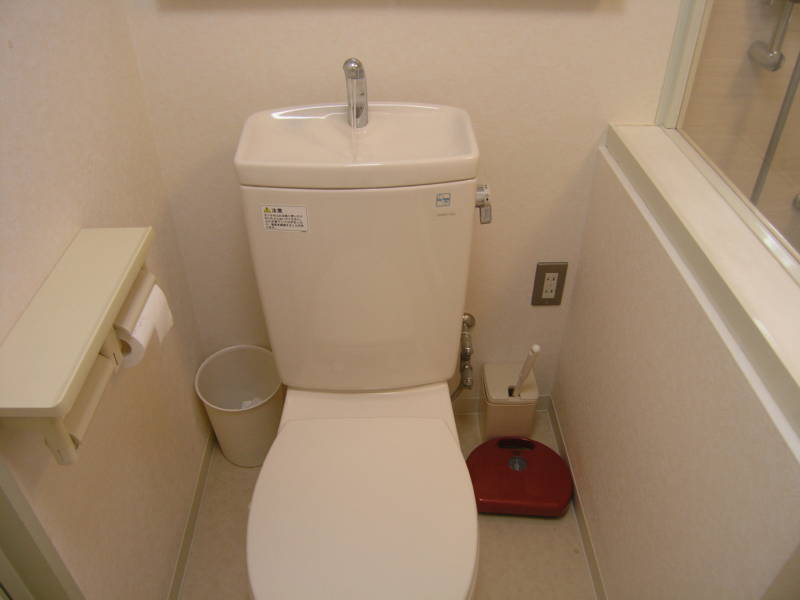
I usually don’t get excited about toilets. But the toilet in my apartment here in Tokyo has inspired me to great heights.

It doesn’t look exciting. But look more closely…

The toilet gives the user two types of flushes: the ‘big’ flush, or the ‘small’ flush, so that you can control how much water you’ll need, thereby conserving this precious resource.

Parched water districts of California: Please start importing these for your customers!

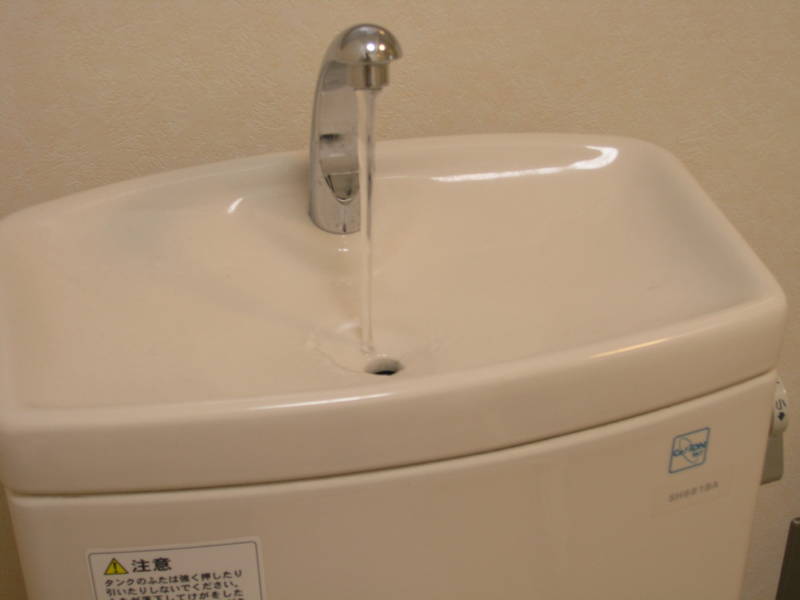
But that’s not what got me excited. What I was really impressed by was when you flush the toilet, water is pumped into the tank at the back of the toilet via a faucet. It runs into a basin on top of the tank where you can wash your hands with the water before it enters the toilet for the next flush. Genius. Pure genius. Why don’t we see more of these in California, where water is an even more precious resource than it is here?

Editor’s Note: Dual-flush toilets are now available in California. But the piggy-back sink–that’s a new one for me. –CM